The room that was locked for 3 years – Last Oct 7 victim of Moshav Lakhini laid to rest
Summary
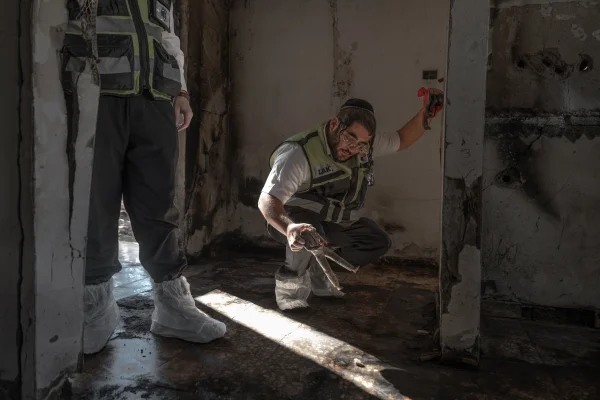
Three years after the October 7, 2023, Hamas attack on Moshav Yakhini, ZAKA volunteers returned to the home of Elitzur Hajbi, one of four residents killed during the infiltration. Hajbi had been shot and died in his bedroom, which his family left untouched since the massacre. On October 7, 2026, ZAKA personnel from the Sderot area collected remains from the room for burial, accompanied by family members. The operation enabled the family to prepare the room for renovation and provided a measure of closure, though it did not erase their grief.
Watchmen Signals
Biblical Context
The article concerns violent death, prolonged grief, recovery of human remains, burial, and honoring the dead—subjects Scripture addresses meaningfully. Genesis 23 presents burial of the dead as a serious family and communal responsibility, while 1 Samuel 31:11-13 records the recovery and burial of the bodies of Saul and his sons after a violent battle. These passages support the relevance of the family’s effort to recover Elitzur Hajbi’s remains and provide him a dignified burial. Romans 12:15 and Ecclesiastes 3:4 also support the broader themes of mourning and sharing in grief. These are thematic and ethical connections, not claims that the reported incident is a distinct biblical event. No specific biblical prophecy is reasonably identified in the article’s facts. The delayed burial and recovery of remains do not correspond sufficiently to a particular prophetic passage or identifiable prophetic pattern.
Biblical Sources
Scripture references supporting the biblical context above.
The men of Jabesh-gilead recover and bury the bodies of Saul and his sons after their violent deaths, providing a close biblical thematic parallel to recovering remains and honoring the dead.
The passage recognizes mourning as an appropriate human response, supporting the article’s description of the family’s prolonged grief.
Abraham seeks a burial place for Sarah, illustrating the serious responsibility of obtaining a place to bury the dead and the dignity attached to burial.
The instruction to mourn with those who mourn relates to the family’s grief and the solemn support offered by the ZAKA volunteers.
Comments
No comments yet.
Sign in to join the conversation.
Sign In