Caleb Flynn's mistress avoided charges despite murder texts as her attorney reveals why
Summary
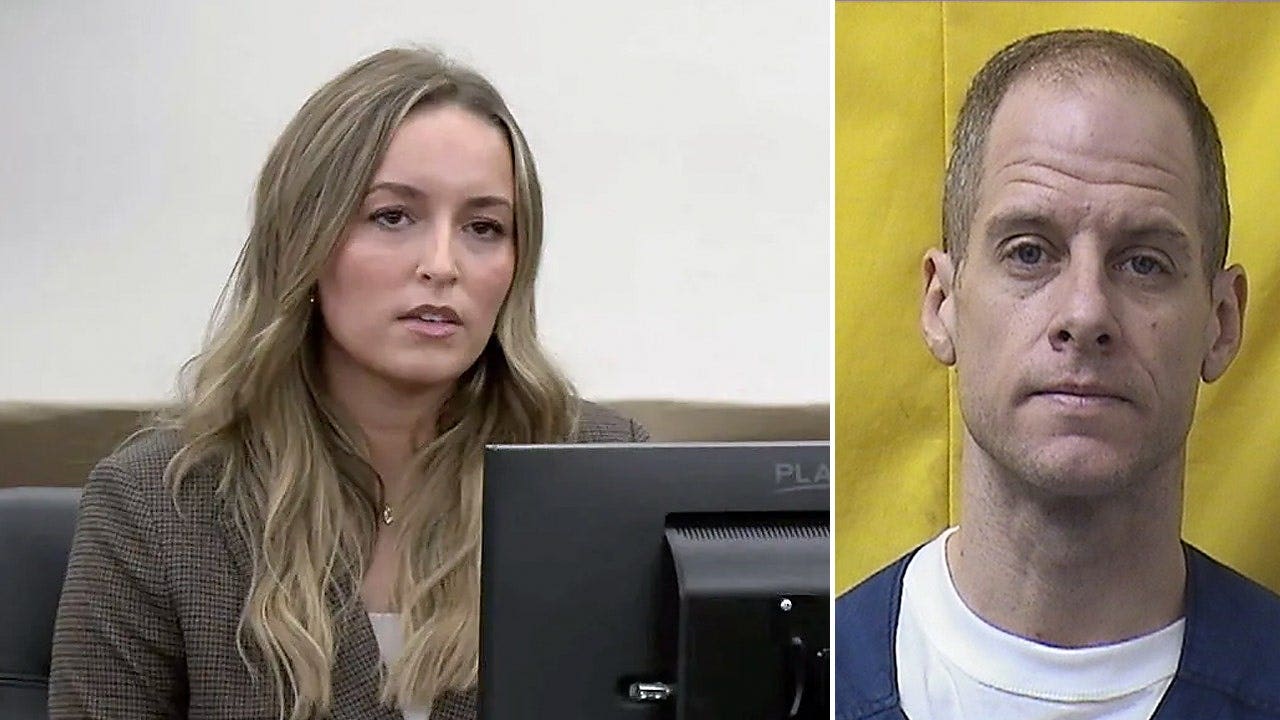
Caleb Flynn, a former “American Idol” contestant, was convicted in Ohio of murdering his wife, Ashley, who prosecutors said was shot twice in the back of the head at their Tipp City home on February 16, 2026. Flynn was sentenced to life without parole and continues to deny responsibility. His former mistress, Alleigha Botner, acknowledged hateful messages about Ashley but was not charged. Her attorney says investigators found no evidence she participated in planning or carrying out the killing. Flynn has filed an appeal.
Watchmen Signals
Biblical Context
The article directly concerns murder, adultery, deceptive conduct, hateful speech, and criminal accountability—subjects Scripture addresses specifically. Exodus 20:13 prohibits murder, while Exodus 20:14 addresses adultery, making these direct moral connections to the reported killing and affair. Proverbs 6:32 identifies adultery as profoundly destructive, which relates to the relational damage described, though it does not establish that the affair caused the murder. Proverbs 12:22 broadly addresses lying and deceit, relevant to the reported staged break-in and efforts to conceal the affair, but the article does not establish every alleged act as independently proven. Romans 13:1-4 describes the civil authority’s role in punishing wrongdoing, which provides a general biblical framework for the conviction and sentence. No specific biblical prophecy is meaningfully connected to this localized criminal case; the story should not be presented as prophetic fulfillment.
Biblical Sources
Scripture references supporting the biblical context above.
Directly addresses the reported killing for which Flynn was convicted.
Directly addresses the affair between Flynn and Botner described in the article.
Provides a biblical warning about the destructive consequences of adultery, relevant to the personal and family damage reported.
Relates broadly to the article’s allegations concerning concealment, deception, and a staged break-in, while not determining which specific claims are legally established.
Provides a general biblical framework for criminal investigation, conviction, sentencing, and the state’s role in addressing serious wrongdoing.
Comments
No comments yet.
Sign in to join the conversation.
Sign In