Why is dengue spreading while malaria has declined?
Summary
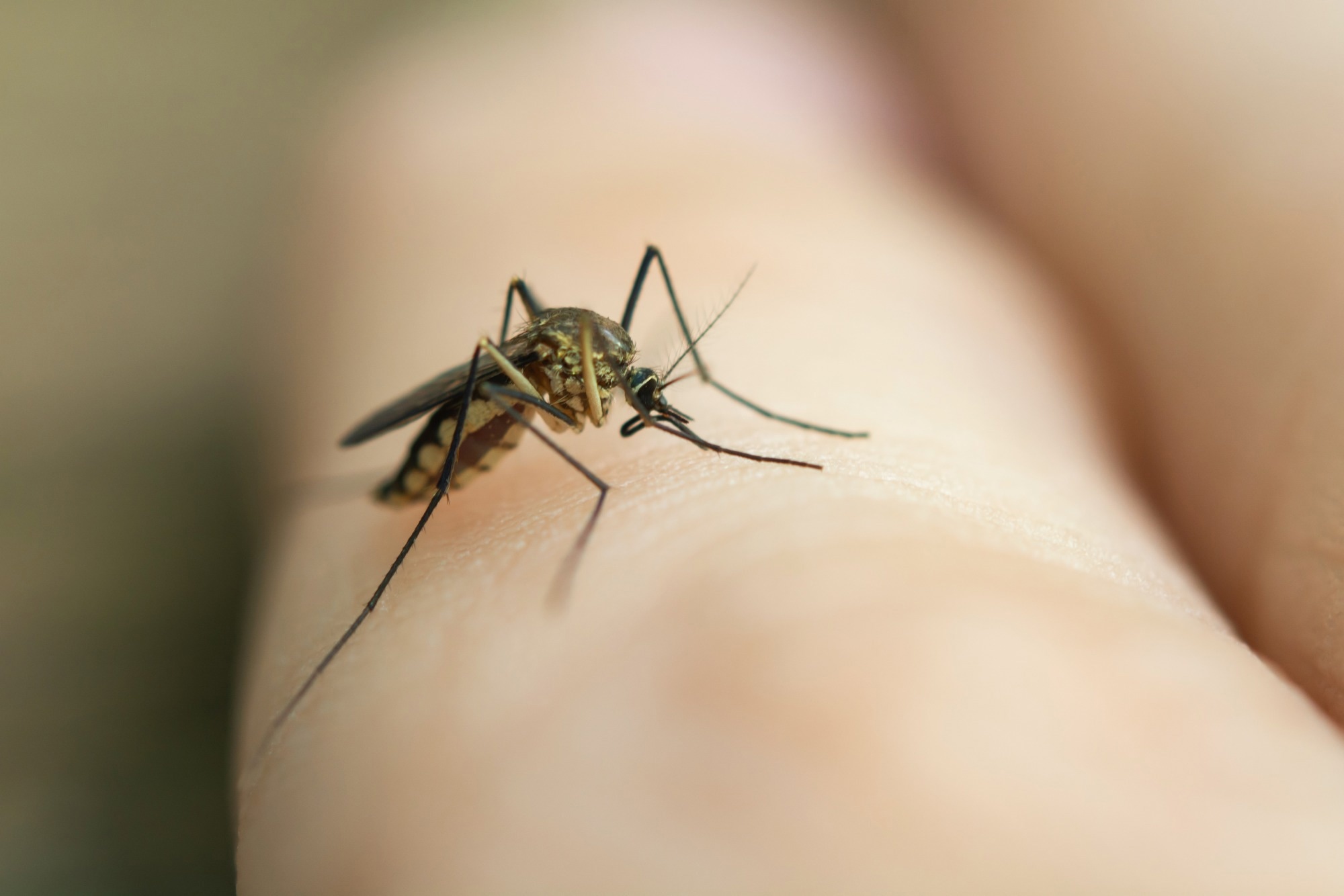
A Science Advances review examines how climate change, urbanization, socioeconomic conditions, and disease-control efforts are reshaping malaria and dengue risks. Dengue’s climate-defined transmission potential increased sharply from 1951–1960 to 2015–2024, while malaria’s suitable area grew only modestly. Malaria incidence has generally declined because of treatment, bed nets, spraying, and improved living conditions, though recent increases show progress is fragile. Dengue is expanding rapidly, with urbanization, mobility, warming, and limited control options contributing to wider transmission. Projections remain dependent on local conditions and interventions.
Watchmen Signals
Biblical Context
Scripture meaningfully addresses pestilence and widespread disease as conditions affecting human societies, which supports the established Relevant classification. Luke 21:11 places pestilences among serious disturbances that may occur in the world, but the article does not identify a specific prophetic event, and the reported climate projections and disease trends do not establish fulfillment of that passage. The biblical connection is therefore thematic and subject-based: Scripture recognizes epidemic disease as a significant human condition, while the article examines its changing environmental and social drivers. Scripture does not provide a scientific model for distinguishing malaria from dengue or for attributing their trends to climate change.
Biblical Sources
Scripture references supporting the biblical context above.
Jesus mentions pestilences among major disturbances affecting the world. This materially supports the article’s relevance to a biblical theme of widespread infectious disease, but the article’s modeled climate and epidemiological trends do not specifically correspond to the prophetic event described.
Comments
No comments yet.
Sign in to join the conversation.
Sign In