Australia is building a lot of new homes. But is the datacentre boom holding us back? | Greg Jericho
Summary
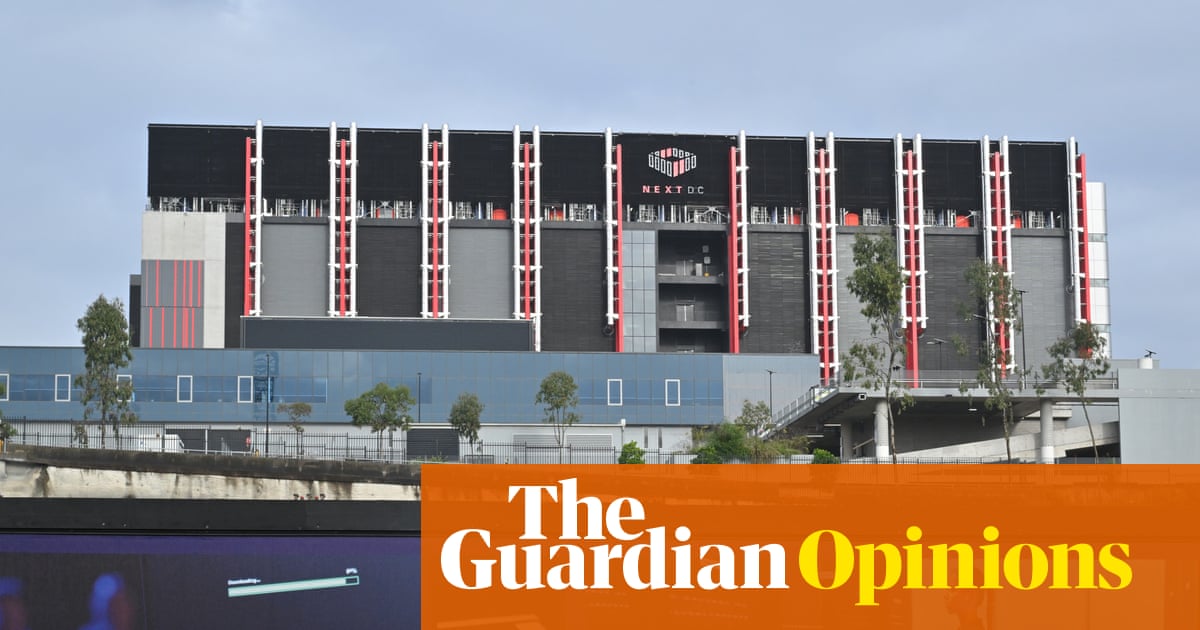
Australian building activity strengthened in the year to June, with residential building up 8.7%, total building up 10%, and private house commencements up 11.6% to 31,707 dwellings. However, public and social housing represented only 2.3% of new residential construction, continuing a long-term decline. The article also reports an exceptional datacentre boom: datacentres accounted for 20% of non-residential building commencements and nearly three-quarters of their annual increase. The author warns that datacentres may compete with housing for builders, investment, and other resources.
Watchmen Signals
Biblical Context
The article concerns housing insecurity, the scarcity of public and social housing, rent pressures, and the allocation of resources affecting economically vulnerable people. These are matters Scripture materially addresses through commands to pursue justice, defend the vulnerable, and avoid exploiting or neglecting the poor. Isaiah 58:6-7 connects faithful social conduct with loosening oppression and sharing resources with those lacking shelter. Amos 5:11 condemns the exploitation of the poor and describes unjust housing and economic arrangements. James 2:15-16 warns against responding inadequately when people lack clothing and daily necessities, supporting the principle that concern for need should involve practical assistance. Proverbs 31:8-9 calls for advocacy and justice for the poor and needy. These passages provide ethical principles relevant to the reported housing conditions; they do not prescribe Australia’s public-housing percentage, rent-cap formula, capital-gains-tax policy, or datacentre investment strategy. The article’s construction trends and policy debate do not correspond to a specific biblical prophecy or identifiable prophetic pattern.
Biblical Sources
Scripture references supporting the biblical context above.
The passage condemns the exploitation of the poor and unjust economic conditions, thematically supporting scrutiny of housing affordability and the treatment of economically disadvantaged people.
The passage addresses releasing oppression and sharing resources with people who lack shelter and basic necessities, providing a direct ethical connection to housing insecurity and care for vulnerable people.
The passage criticizes offering words without practical help when people lack basic necessities, supporting the principle that severe material need requires substantive care rather than merely stated concern.
The passage calls for speaking up for those unable to advocate for themselves and defending the rights of the poor and needy, relevant to public discussion of housing insecurity and policy responsibility.
Comments
No comments yet.
Sign in to join the conversation.
Sign In