10,500 Palestinians left Gaza since 2025 ceasefire, most for medical treatment
Summary
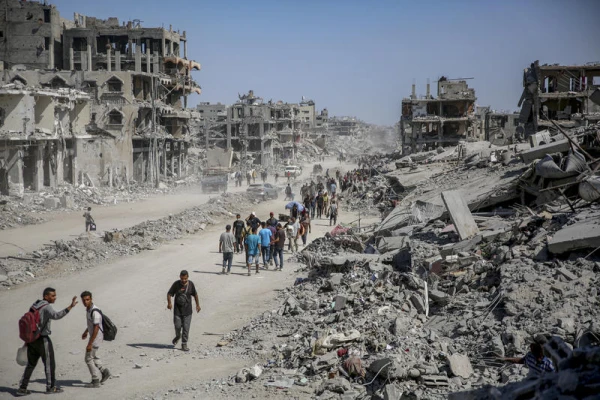
Data obtained by Zman Israel indicate that approximately 10,500 residents left the Gaza Strip after a U.S.-brokered ceasefire in October 2025, representing less than 0.5% of Gaza’s population of more than two million. The World Health Organization reported that 3,015 Gazans traveled abroad for medical treatment, accompanied by 5,220 relatives or caregivers. These 8,235 people comprise nearly 80% of the reported departures. Approximately 6,000 people reportedly returned during the same period, suggesting that most departures were connected to medical needs rather than permanent emigration. The figures come amid allegations that Israel seeks to encourage or compel Palestinians to leave Gaza. Foreign Minister Gideon Sa’ar denied that Israel plans forced expulsion, while stating that Israel would not oppose voluntary emigration if other countries accepted those wishing to leave. Defense Minister Israel Katz and National Security Minister Itamar Ben Gvir have supported organized voluntary emigration, with Ben Gvir proposing a plan that would facilitate the departure of up to 1.86 million Gazans over seven years. No country has agreed to accept large numbers, and Egypt, Jordan, most Arab states, and the European Union have opposed large-scale displacement. The article also cites surveys reporting substantial interest among Gazans in leaving amid extensive wartime destruction.
Watchmen Signals
Biblical Context
The article does not provide a sound basis for identifying a fulfillment of biblical prophecy. Scripture does, however, provide relevant ethical principles concerning justice, mercy, protection of vulnerable people, and treatment of displaced or marginalized persons. Those principles apply to evaluating both alleged coercion and the humanitarian consequences of war, while not determining the disputed facts or prescribing a particular political solution for Gaza. The biblical connection is therefore thematic and ethical rather than prophetic.
Biblical Sources
Scripture references supporting the biblical context above.
This passage presents God as impartial and commands care for the stranger. It offers a broad ethical framework for considering the treatment and resettlement of noncombatant populations, without establishing that the events described fulfill prophecy.
These verses call for true justice, compassion, and protection against oppression of vulnerable people and foreigners. They provide a relevant biblical principle for assessing policies affecting civilians, displaced people, and those facing pressure to leave.
Comments
No comments yet.
Sign in to join the conversation.
Sign In