Politicians unite to attack directors of anti-Israel 'NAZA’ film, culture minister calls to revoke citizenship for ‘treason’
Summary
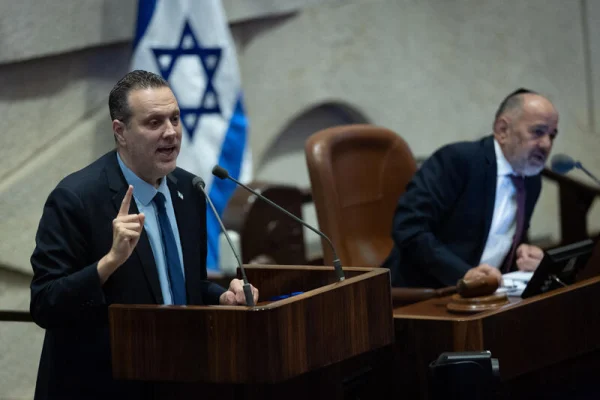
The article describes a broad Israeli political backlash against the documentary film NAZA after it received a special jury prize at the Venice Film Festival. Filmmakers Rachel Shor and Yuval Avraham reportedly allege, based on testimony from 24 Israel Defense Forces soldiers and officers, that the IDF intentionally killed civilians in Gaza and used an artificial-intelligence program in targeting decisions. Culture Minister Miki Zohar accused the filmmakers of treason and said he was examining whether their Israeli citizenship could be revoked, as well as whether the film’s materials were obtained or published in a way that assisted Israel’s enemies. The IDF rejected a central allegation that it planned or approved a strike in which approximately 500 civilians were expected to die. Reserve intelligence officer Amichai Atali likewise denied seeing such a figure in targeting operations. Many Israeli politicians, including Gadi Eisenkot, Benny Gantz, Naftali Bennett, and Yoseph Haddad, condemned the film as misleading or defamatory and defended the IDF’s moral and legal standards. Several politicians from the left-wing Democrats party defended the filmmakers’ right to create and raise questions, while acknowledging that they had not necessarily endorsed the documentary’s claims. The article also notes Avraham’s 2025 Oscar win for No Other Land.
Watchmen Signals
Biblical Context
The article raises broad biblical themes concerning truthfulness, impartial justice, accountability for alleged harm to civilians, and the danger of condemning people before claims are fairly examined. These principles apply to both sides of the dispute: allegations of unlawful killing should be investigated seriously, while filmmakers and political opponents should not be declared traitors or punished solely on the basis of contested claims without due process. Scripture does not specifically address this documentary, Israeli citizenship revocation, or the use of artificial intelligence in military targeting. Therefore, the biblical connection is thematic rather than a direct identification of prophecy or fulfillment.
Biblical Sources
Scripture references supporting the biblical context above.
The prohibition against bearing false witness provides a direct biblical principle relevant to disputed accusations, public condemnation, and the need to distinguish verified evidence from allegations.
The call to do justice and walk humbly before God broadly relates to the article’s questions about civilian protection, military accountability, public truth claims, and restraint in political judgment.
This proverb warns that the first account can appear persuasive until another party is heard, supporting caution when evaluating the filmmakers’ claims alongside the IDF’s denial and competing political accounts.
Comments
No comments yet.
Sign in to join the conversation.
Sign In