Abdul El-Sayed confronted on Soros ties after ridiculing politicians for taking corporate money
Summary
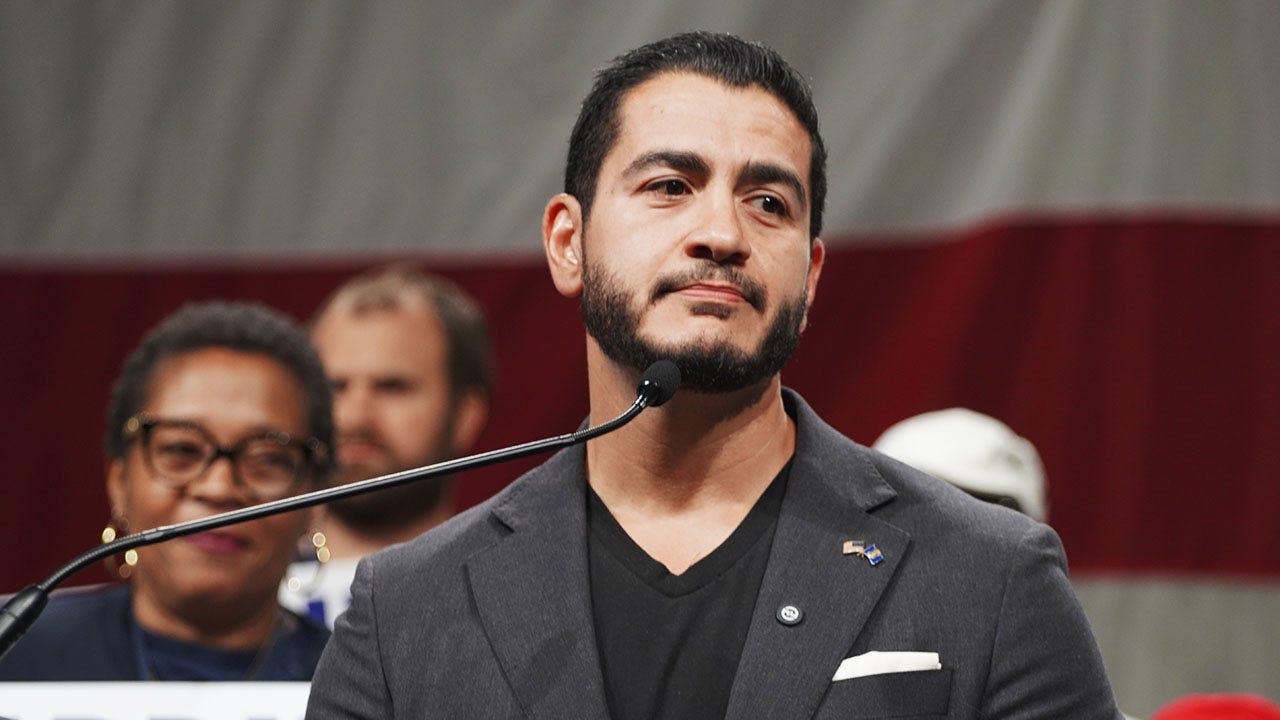
Michigan Democratic Senate nominee Abdul El-Sayed defended accepting support from wealthy individual donors while criticizing Republican opponent Mike Rogers for receiving corporate and other organizational money. Fox News reported that El-Sayed received Soros-affiliated educational and fundraising support and that Senate Majority PAC pledged $30 million to assist his campaign. El-Sayed said corporations should not influence politicians, denied that supporting groups would later demand policy favors, and maintained that individual donations differ from corporate funding. The article also briefly mentions his views on Iran and former President Obama’s expected campaign appearance.
Watchmen Signals
Biblical Context
Scripture directly addresses the ethical dangers of bribery, partiality, and allowing wealth to distort judgment. Exodus 23:8 and Deuteronomy 16:19 prohibit bribes because they can corrupt judgment and pervert justice. Those principles are relevant to the article’s discussion of whether campaign contributions or political spending could influence governmental decisions, although the article does not prove that El-Sayed, his opponents, or any donor engaged in bribery. The New Testament also warns against favoritism based on status or wealth. James 2:1-4 condemns giving preferential treatment to the rich. This provides a broader ethical parallel concerning unequal influence, but it does not establish that all political donations are improper or that wealthy individual donors necessarily control a candidate. First Timothy 6:9-10 warns about the spiritual dangers associated with the desire for wealth; it supports caution about money’s influence without serving as a direct judgment on the reported campaign dispute. No specific biblical prophecy or prophetic pattern is meaningfully connected to this routine U.S. Senate campaign-finance controversy.
Biblical Sources
Scripture references supporting the biblical context above.
The passage warns about the dangers associated with the pursuit and love of money, supporting caution about wealth’s corrupting influence without identifying the reported conduct as corruption.
The passage prohibits accepting bribes and warns that gifts can blind judgment and twist the words of the righteous, directly relating to concerns about money affecting public decisions.
The passage warns that a bribe can blind officials and distort justice, supporting ethical evaluation of alleged financial influence in governance without proving bribery occurred.
The passage condemns favoritism toward wealthy people, providing a broader biblical principle relevant to unequal political influence and access.
Comments
No comments yet.
Sign in to join the conversation.
Sign In