Monash study urges coordinated action to fight mosquito-borne diseases
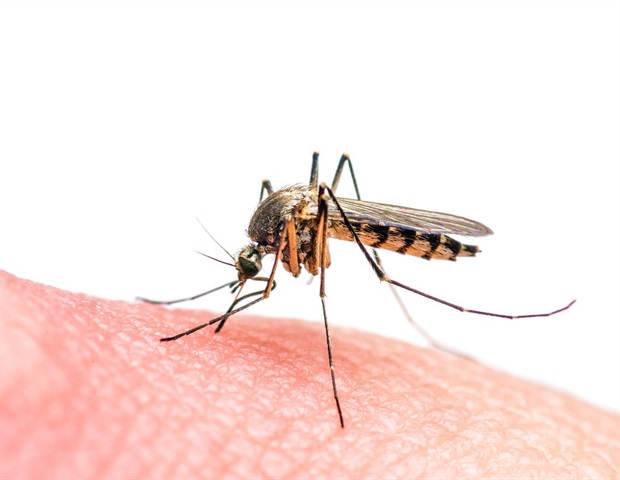
The Watchmen's Summary
A Monash University review published in Science Advances examines how climate and non-climate factors affect malaria and dengue transmission. Researchers say warming temperatures and changing rainfall may expand mosquito habitats, while urbanization has particularly helped dengue spread. Malaria has declined over the past century because of mosquito control and drug therapies, but global incidence still rose 8.5% during the last decade. The review recommends stronger vector control, vaccines, coordinated public-health measures, and emissions reductions. Wolbachia-based mosquito interventions are identified as a promising dengue-control strategy.
Biblical Context
The article concerns infectious disease, human vulnerability, and efforts to protect communities—subjects Scripture addresses through practical and ethical principles, although Scripture does not discuss malaria, dengue, climate science, or mosquito-control technologies specifically. Leviticus 13:45-46 describes separating a person with a contagious condition from the wider community, providing a limited thematic parallel to disease-control measures. Luke 10:9 presents caring for the sick as a legitimate ministry concern. These passages support the article's biblical relevance in a general health and compassion sense, not as evidence that the reported trends fulfill prophecy. No specific prophetic passage is sufficiently matched by the article's facts.
Watchmen Signals
The article addresses the global burden of infectious disease and pestilence, including transmission, prevention, and human vulnerability—subjects Scripture meaningfully addresses. The connection is substantive but general: Scripture does not specifically discuss malaria, dengue, mosquitoes, climate change, or modern public-health technologies.
The reported changes in malaria and dengue, mosquito habitat, climate, and disease-control efforts do not correspond specifically enough to a particular biblical prophecy. General biblical references to disease or pestilence are insufficient to identify prophetic fulfillment, and the article does not establish such a connection.
This is a research review and background report on ongoing disease trends, not a sudden outbreak or rapidly developing emergency.
Biblical Sources
Scripture references supporting the biblical context above.
These verses describe measures to limit the spread of a contagious condition by separating the affected person from the community, offering a limited biblical parallel to public-health and infection-control efforts.
Jesus' instruction to care for the sick supports the broader biblical concern for responding compassionately to illness and human suffering, though it does not address the specific diseases or interventions in the article.
Comments
No comments yet.
Sign in to join the conversation.
Sign InStay Informed. Grow in Biblical Understanding.
Explore important news from around the world through the context of God's Word. Create your FREE Watchmen account to discover more news analysis, Biblical Insights, and Scripture-based perspectives.
Create Your FREE AccountFree to join. No credit card required.