Iran executes two men arrested over January 2026 protests, Mizan reports
Summary
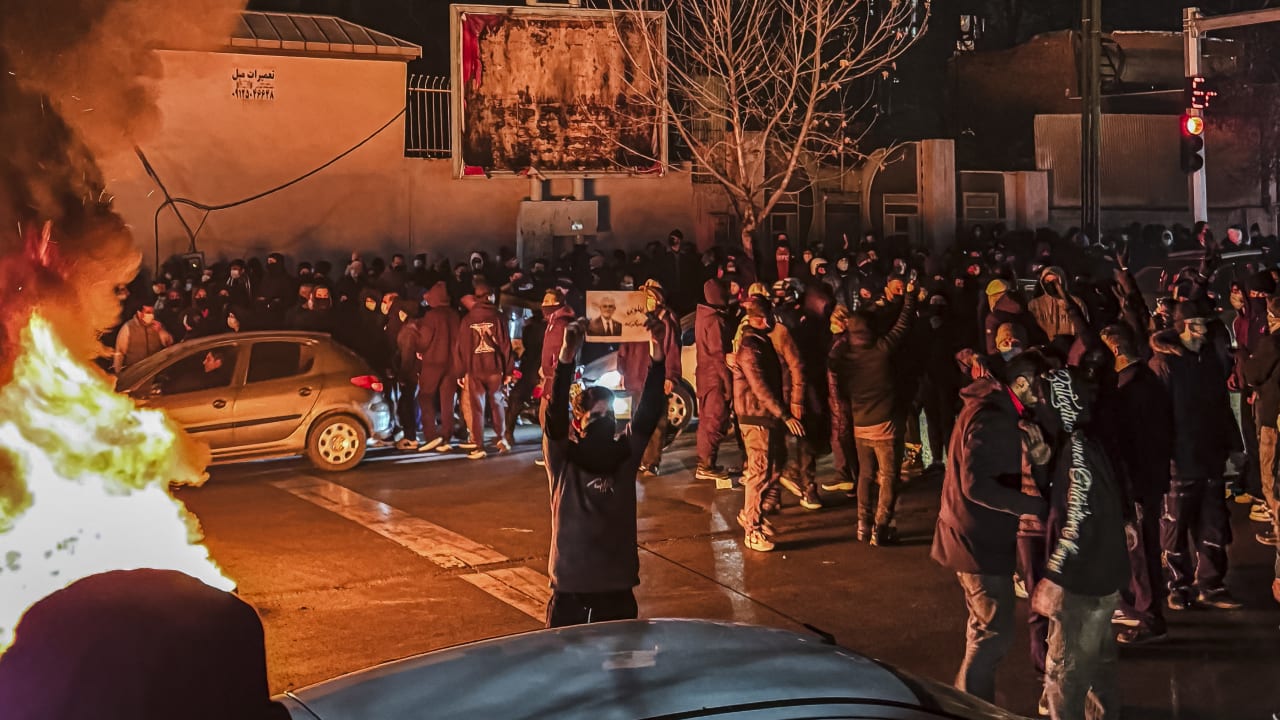
Reuters reports that Iran executed Alireza Sepahi and Alireza Raeisi on October 5, 2026, after their arrests in connection with January protests in Isfahan and the deaths of four police officers. Iran’s judiciary said the men were convicted of membership in an armed rebel group, “waging war against God,” creating fear and insecurity, corruption on earth, and incitement to war and killing. The Supreme Court reportedly upheld the sentences. The article provides no independent verification of the charges or trial proceedings.
Watchmen Signals
Biblical Context
The article’s subject is biblically relevant because Scripture materially addresses the administration of justice, the danger of condemning people unjustly, and the protection of human life. Exodus 23:6–8 warns against perverting justice, false testimony, and unjust condemnation. Deuteronomy 19:15 requires reliable testimony before a serious conviction, illustrating the biblical concern for evidentiary safeguards. Proverbs 17:15 condemns both acquitting the guilty and condemning the innocent, emphasizing impartial judgment. Genesis 9:6 affirms the gravity of human life and the moral seriousness surrounding bloodshed and punishment. These passages support scrutiny of the reported executions and judicial process, but they do not by themselves determine whether these specific convictions were justified. No specific biblical prophecy is meaningfully identified in the article; the executions do not provide a distinctive correspondence to a particular prophetic passage.
Biblical Sources
Scripture references supporting the biblical context above.
This verse requires corroborating testimony in serious matters, reflecting the biblical importance of reliable evidence before judgment.
These verses warn against perverting justice, false testimony, and accepting improper influence, supporting careful evaluation of the reported convictions and executions.
This passage emphasizes the exceptional moral seriousness of taking human life and provides a broader biblical basis for examining capital punishment and bloodshed.
This proverb condemns both acquitting the guilty and condemning the innocent, directly relating to the need for impartial and accurate judicial decisions.
Comments
No comments yet.
Sign in to join the conversation.
Sign In