Digital inclusion for refugee women must go beyond connectivity: GSMA
Summary
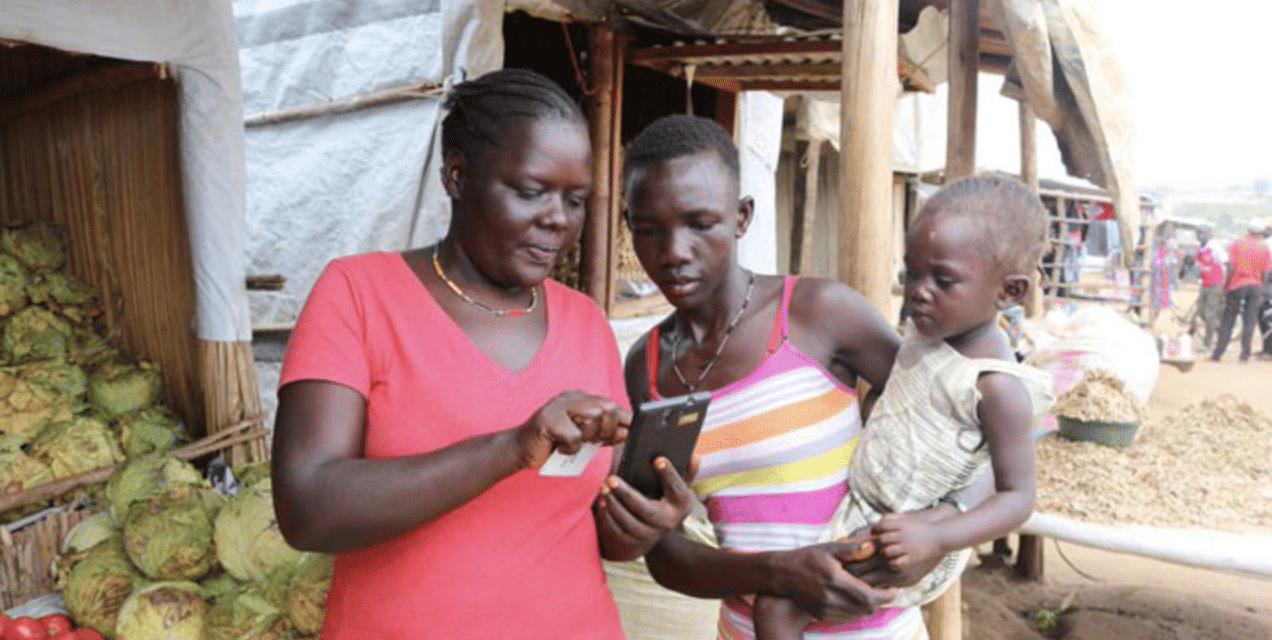
New research from the GSMA argues that digital inclusion for refugee women should be measured by the entire user experience, not merely by connectivity, phone ownership, or internet access. The study identifies awareness, device availability, affordability, identity registration, digital literacy, privacy, and long-term safety as important factors. It says strict identity requirements for SIM-card registration disproportionately hinder displaced women, sometimes forcing them to register accounts through relatives or local citizens. Cited findings from Ethiopia and Tanzania indicate that this can reduce women’s control over mobile money and private communications. In Uganda, the study reports that about 25 percent of refugee women use the internet, compared with 50 percent of refugee men, largely because of handset and data costs. Shared devices controlled mainly by male relatives can also restrict access to humanitarian assistance, financial services, and information. The GSMA recommends reforming identity-verification rules, expanding targeted digital-skills programs, and creating platforms that protect privacy and trust. The article also cites former UNHCR Deputy High Commissioner Kelly T. Clements, who described connectivity as essential to protection, livelihoods, and financial inclusion, and called for scalable infrastructure linking refugees and host communities. UNHCR reportedly aims to connect at least 20 million forcibly displaced people and host-community members by 2030.
Watchmen Signals
Biblical Context
The strongest biblical connection is ethical rather than prophetic. Scripture directly emphasizes protecting and treating foreign residents fairly, which provides a broad principle relevant to refugee access to essential services and protection from exclusion. Leviticus 19:33-34 commands Israel not to mistreat the stranger and to love the foreigner as oneself; Deuteronomy 10:18-19 similarly highlights God’s concern for the foreigner and calls His people to love them. These passages do not address digital identity, SIM registration, or telecommunications specifically, so the connection is an application of biblical concern for vulnerable displaced people rather than a direct statement about the technology described. No credible basis exists in the article for identifying a specific biblical prophecy being fulfilled.
Biblical Sources
Scripture references supporting the biblical context above.
These verses identify God’s concern for the foreigner and command His people to love foreigners, supporting attention to the needs and dignity of displaced people.
These verses prohibit mistreating foreigners and command love for them, providing a biblical ethical principle relevant to fair treatment and protection of refugees.
Comments
No comments yet.
Sign in to join the conversation.
Sign In