Supreme Court kicks off new term with fresh questions over its legitimacy and its future
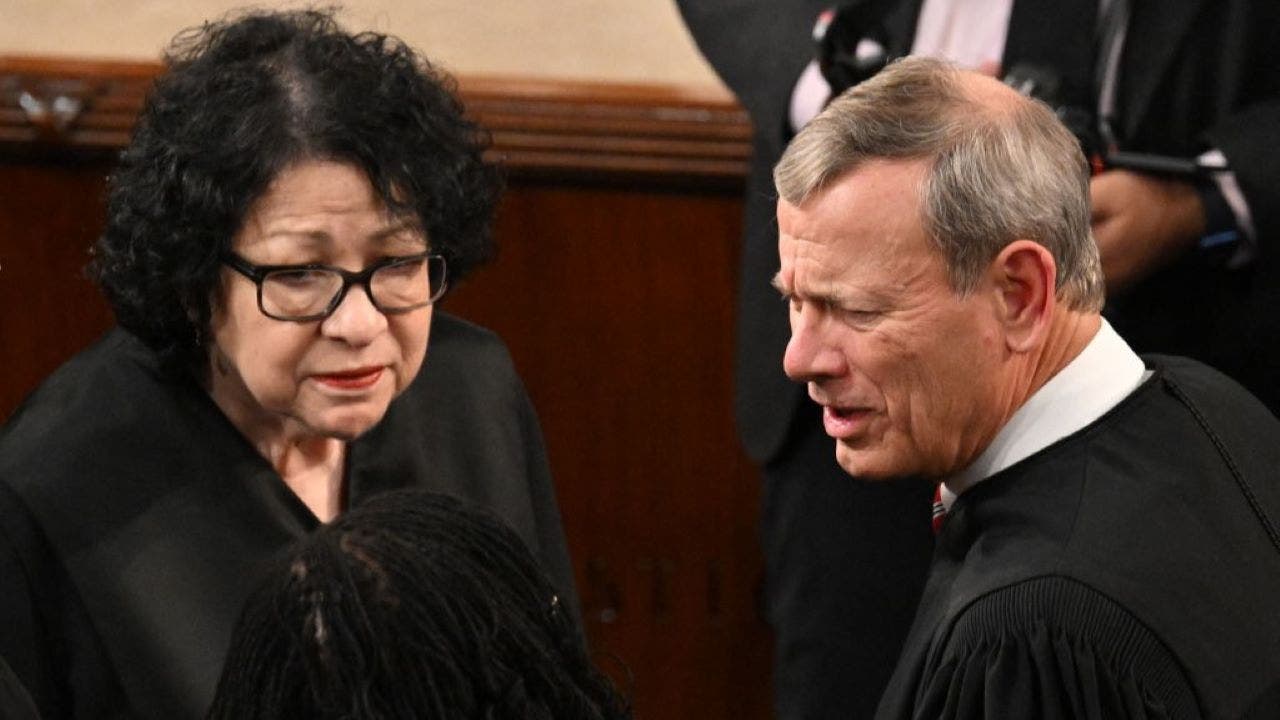
Summary
The Supreme Court begins a new term with cases involving environmental liability, religious-school funding, semi-automatic rifle restrictions, voter-citizenship verification, executive power, abortion, and public-school Ten Commandments displays. The article describes declining public confidence, partisan criticism, proposed court reforms, and a reported 31% year-over-year increase in threats against federal judges. President Trump has criticized justices who ruled against his administration, while Justice Samuel Alito’s possible retirement could affect the Court’s future composition before the term ends.
Watchmen Signals
Biblical Context
The article is biblically relevant because it substantially concerns governmental authority, the administration of justice, religious liberty, public acknowledgment of biblical commandments, abortion, and threats against judges. Scripture directly addresses the responsibility of governing authorities to administer justice and restrain wrongdoing, while also emphasizing impartial judgment and the legitimacy of obeying God when human commands conflict with divine authority. Romans 13:1–4 describes civil government as having authority and a responsibility to punish wrongdoing and promote order. This provides a direct biblical framework for considering disputes over executive power, federal-state relations, and the constitutional role of courts, although it does not settle the specific legal questions reported. Deuteronomy 16:18–20 directly addresses judges, requiring them to judge fairly, reject partiality, and pursue justice. That principle relates to the article’s concerns about judicial legitimacy, accusations of political decision-making, and threats intended to influence judges. Acts 5:29 establishes the principle that obedience to God takes priority when human authorities require disobedience to God. This is relevant to disputes involving religious liberty and religious schools, but the article does not establish that any particular case presents such a conflict. Exodus 20:1–17 records the Ten Commandments, which relates directly to the article’s reference to proposed displays in public schools. The passage identifies the biblical source of the commandments but does not determine whether government display of them is constitutionally permissible. The article’s political and legal disputes do not meaningfully correspond to a specific biblical prophecy. No prophetic fulfillment should be inferred from the reported court term, partisan conflict, or institutional tensions.
Biblical Sources
Scripture references supporting the biblical context above.
States that obedience to God takes priority over conflicting human commands, supporting the religious-liberty dimension of the article without resolving any specific case.
Commands judges to judge fairly, avoid partiality, and pursue justice, directly relating to judicial legitimacy, impartiality, and pressure placed on judges.
Records the Ten Commandments, the biblical text referenced by the article’s discussion of mandated displays in public schools.
Describes civil authorities as possessing governing authority and responsibility to restrain wrongdoing, providing a biblical framework for the article’s disputes over executive power and government institutions.
Comments
No comments yet.
Sign in to join the conversation.
Sign In