Iran’s judiciary chief demands crackdown on hijab compliance, claims 'nudity' distresses patriots
Summary
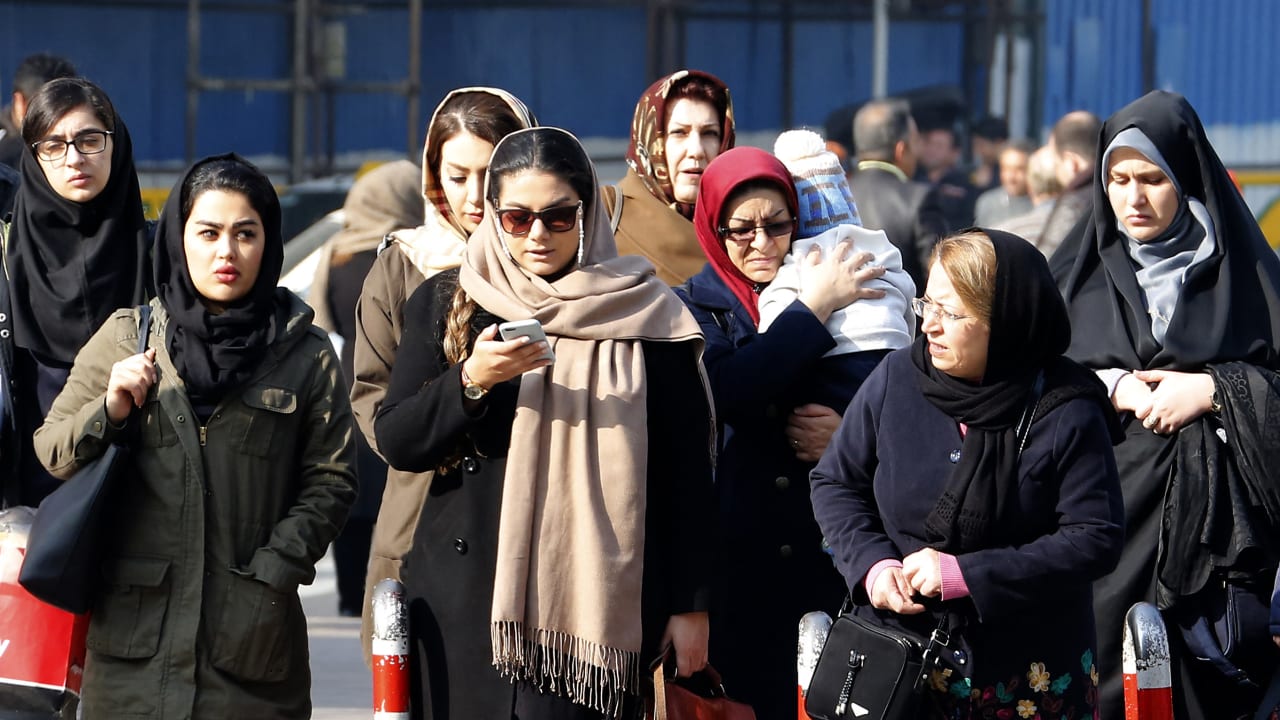
Iranian judiciary chief Gholam-Hossein Mohseni Ejei has called for stronger enforcement of mandatory hijab rules, describing uncovered hair and alleged “nudity” as social corruption and a security concern. His remarks came shortly after the fourth anniversary of Mahsa Amini’s death in morality-police custody, which sparked the 2022 Woman, Life, Freedom protests. Iranian authorities have increasingly investigated or closed cafes, hotels, and other businesses over alleged hijab violations. The campaign is expanding religious enforcement while Iran faces war-related, economic, and social pressures.
Watchmen Signals
Biblical Context
The article concerns state-imposed religious enforcement, coercion, punishment, and reported oppression of women and businesses. Scripture materially addresses the responsibilities of rulers and condemns laws or authority that burden vulnerable people and deny justice. Isaiah 10:1–2 condemns those who enact unjust decrees and deprive the needy of justice; this provides a direct biblical principle relevant to coercive state policies that punish people or businesses and restrict their rights. Psalm 82:3–4 calls authorities to defend the weak and rescue the oppressed, contrasting with reported measures designed to compel conformity through threats, closures, and legal action. These passages support the established Biblical Relevancy rating, but they do not determine the legal or religious questions surrounding hijab, nor do they independently verify the article’s allegations. The reported crackdown does not correspond specifically enough to a particular biblical prophecy. Its themes involve oppression and religious coercion, but those are broad conditions rather than evidence of prophetic fulfillment.
Biblical Sources
Scripture references supporting the biblical context above.
Condemns rulers who enact unjust decrees and deprive vulnerable people of justice, providing a direct biblical principle relevant to coercive state enforcement and punishment.
Calls governing authorities to defend the weak and oppressed and to rescue them from unjust power, contrasting with the article’s report of expanded coercion and legal pressure.
Comments
No comments yet.
Sign in to join the conversation.
Sign In