In their own voice: How Iran’s citizens documented January's massacres in Manoto documentary
Summary
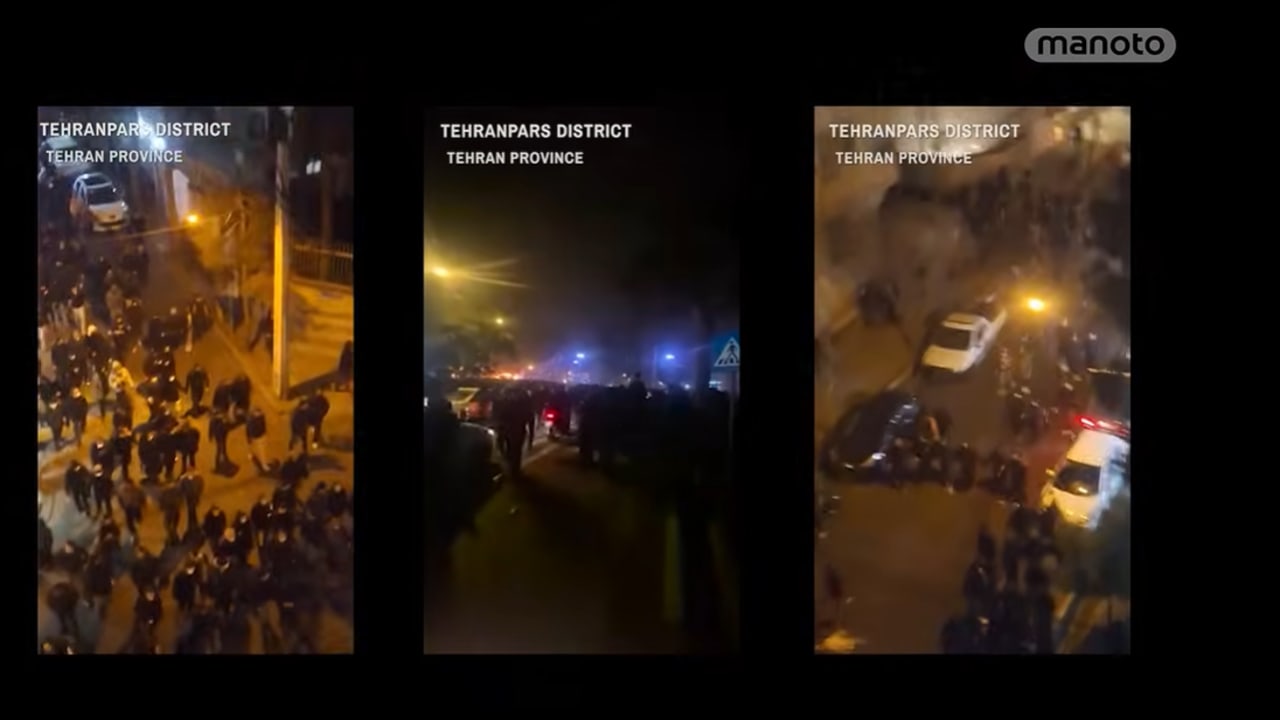
The article examines Manoto TV’s four-part documentary, This Is Our Story, assembled from more than 10,000 recordings made by Iranians during the uprising that began December 28 and intensified on January 8–9. It reports that security forces allegedly used lethal force while authorities imposed a communications blackout. Iranian President Masoud Pezeshkian cites about 3,000 deaths, while opposition and human-rights sources claim far higher totals. A UN fact-finding mission reportedly concluded that abuses included crimes against humanity, making the footage potentially important for accountability efforts.
Watchmen Signals
Biblical Context
The article substantively concerns murder, oppression, state violence, persecution, injustice, grieving families, and the demand for accountability. Scripture directly addresses these moral conditions, even though the article does not describe a specifically biblical or religious conflict. Isaiah condemns rulers who create unjust laws and deprive vulnerable people of justice; this provides a direct moral framework for evaluating alleged state abuses. Psalm 82 calls for defending the weak and delivering them from the hand of the wicked, which relates to the article’s focus on victims and accountability. Proverbs instructs people to speak for those who cannot speak for themselves, a principle relevant to citizen-recorded testimony and efforts to document disappeared or killed protesters. The prohibition against murder in Exodus establishes the basic sanctity of human life. These are biblical ethical and judicial principles, not evidence that the Iranian uprising fulfills a particular prophecy. The article’s unrest, repression, blackout, and competing casualty claims do not correspond specifically enough to an identifiable biblical prophetic passage.
Biblical Sources
Scripture references supporting the biblical context above.
The prohibition against murder provides a direct biblical basis for treating alleged lethal attacks on civilians as a grave moral violation.
These verses condemn authorities who issue unjust decrees and deprive the poor and oppressed of justice, materially relating to allegations of state repression and impunity.
The instruction to speak for those who cannot speak for themselves relates to documenting victims, missing persons, and alleged abuses so that their cases are not erased.
The passage calls for defending the weak, fatherless, afflicted, and needy, supporting concern for victims and accountability for those who abuse power.
Comments
No comments yet.
Sign in to join the conversation.
Sign In