SIA defends regulated ALPR use as Flock backlash drives calls for bans
Summary
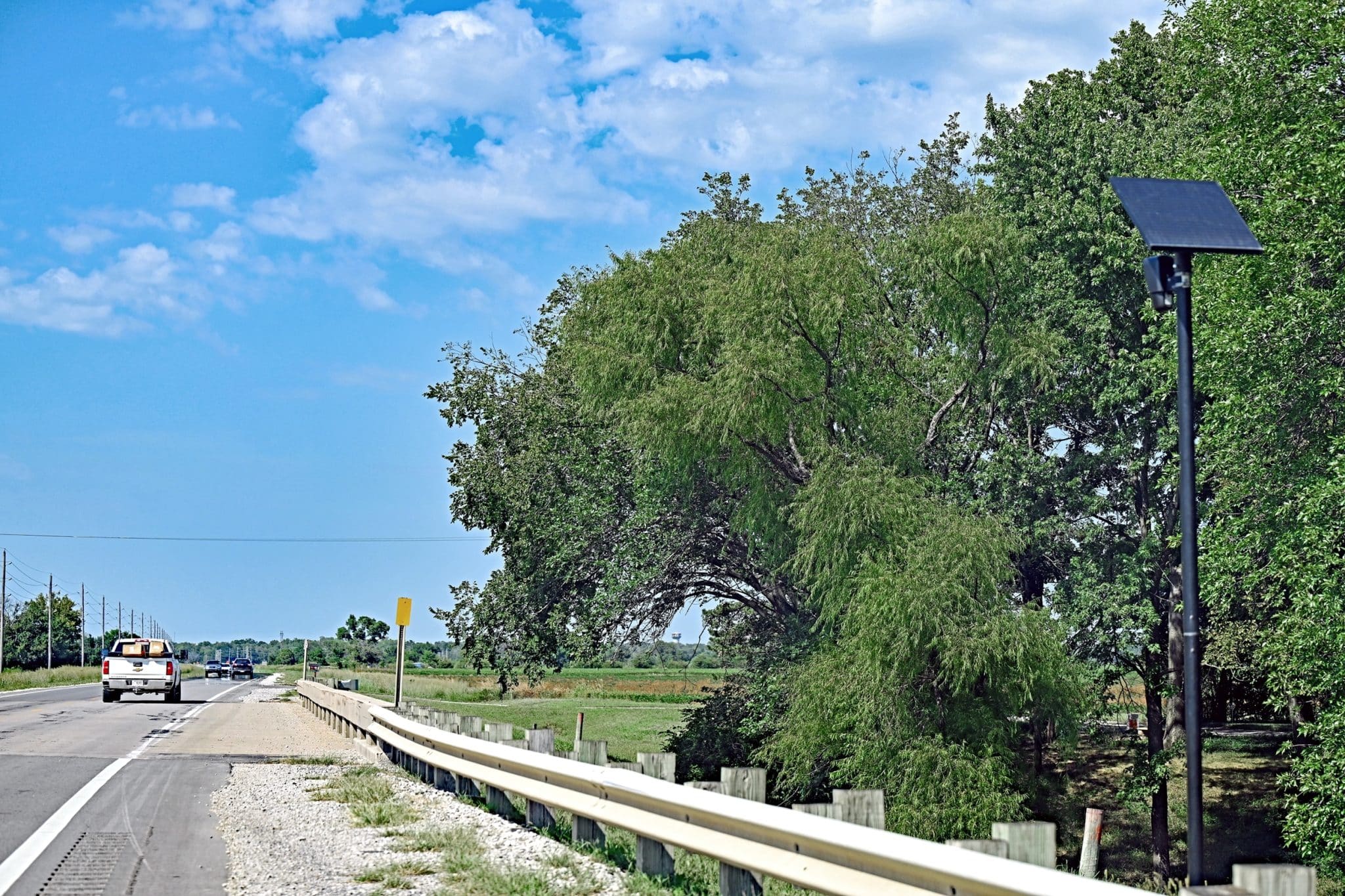
The Security Industry Association (SIA) supports continued use of automated license plate readers (ALPRs) but is calling for stronger privacy safeguards, limits on data sharing, regular audits, documented search purposes, and penalties for misuse. It opposes generally requiring warrants to search ALPR databases, arguing that plate readers record vehicles on public roads and remain useful for routine investigations and emergencies. Critics, including IPVM, civil-liberties groups, and lawmakers, contend that interconnected systems such as Flock Safety’s network—reported to include more than 120,000 cameras—can retain and analyze billions of observations to reconstruct vehicle and driver movements. Recent court rulings have generally distinguished limited ALPR observations from comprehensive cellphone-location histories, although related legal questions remain under appeal and may depend on the scale and capabilities of a network. Reported abuses include officers conducting hundreds or thousands of searches involving former partners or acquaintances, often despite existing agency rules. Flock has announced shorter seven-day default retention for new law-enforcement customers, mandatory case codes and misuse detection, automatic lockouts, and other controls. Meanwhile, Oregon enacted restrictions, federal and state lawmakers proposed bans or funding limits, and officials in Florida and Texas curtailed expansion. The central dispute is whether safeguards can control the technology or whether mass searchable collection inherently enables surveillance.
Watchmen Signals
Biblical Context
The article does not describe a specifically biblical event or establish fulfillment of biblical prophecy. Scripture does, however, provide relevant principles concerning the proper purpose of governmental authority, justice, accountability, and the misuse of power. Romans 13:3-4 presents civil authority as intended to restrain wrongdoing and serve the public good; this is relevant to the debate over whether ALPR systems genuinely support public safety or are used beyond that purpose. Micah 6:8 emphasizes justice, mercy, and humble conduct, which provides a broad ethical standard for privacy safeguards, proportionality, and treatment of people who are not suspected of crimes. These are thematic and ethical applications, not direct teachings about license-plate technology. The article offers no sound basis for identifying a prophetic fulfillment.
Biblical Sources
Scripture references supporting the biblical context above.
This passage calls for justice, mercy, and humble conduct. It supports a broad ethical consideration of proportional safeguards, accountability, and fairness when authorities collect and search information about people.
This passage describes governing authority as serving a legitimate public function by restraining wrongdoing and acting as God’s servant for the good. It is relevant to evaluating whether law-enforcement surveillance is limited to lawful public-safety purposes or becomes abusive.
Comments
No comments yet.
Sign in to join the conversation.
Sign In