Why did religious celibacy evolve? Marriage and inheritance offer new clues
Summary
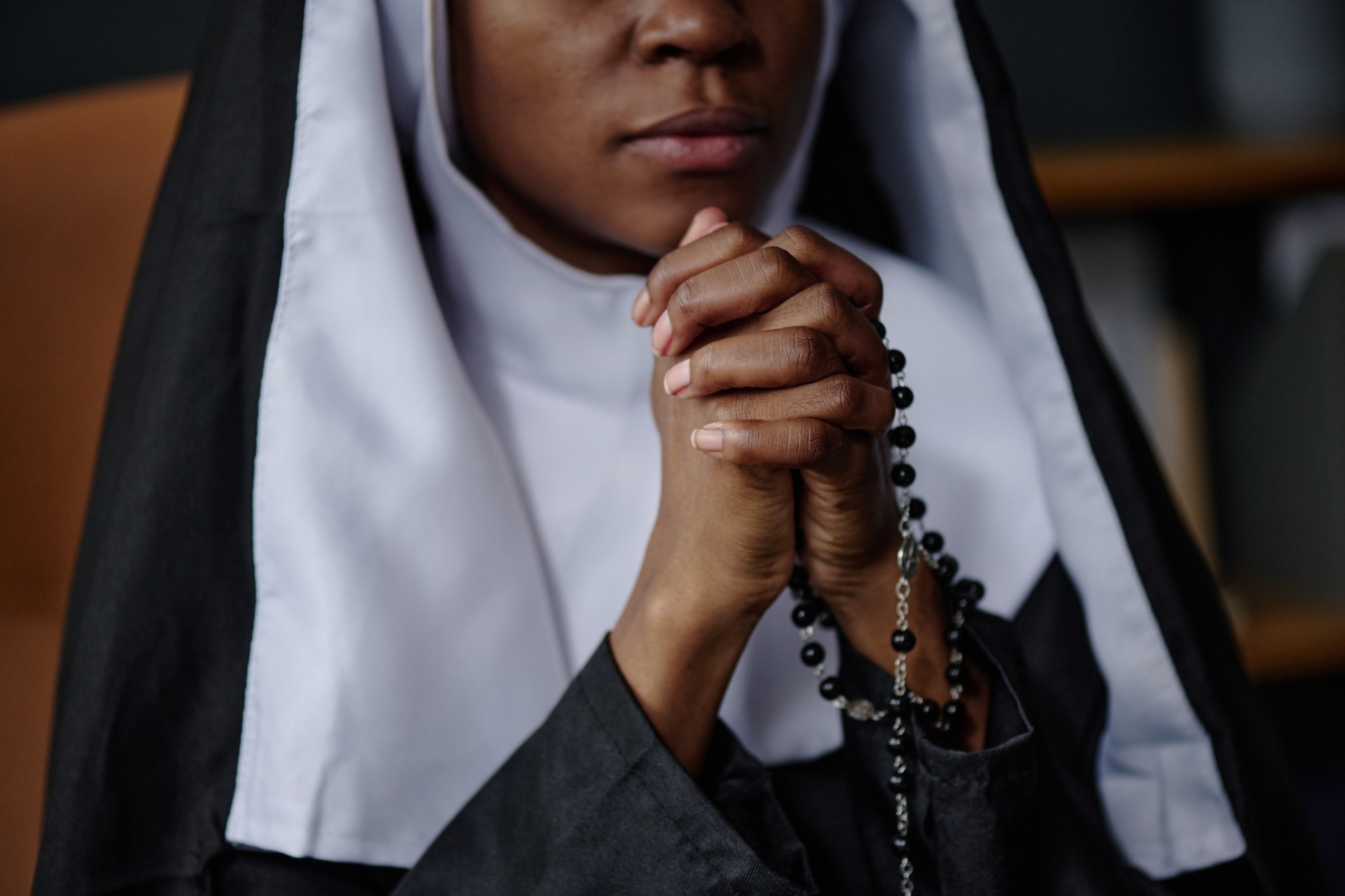
A study reported in Nature Communications analyzed 352 societies and found evidence of lifelong religious celibacy in 51. Using ethnographic and cross-cultural databases, researchers examined whether celibacy was associated with marriage payments, marital structure, and inheritance of land or wealth. Celibacy was most strongly associated with monogamy and intergenerational land inheritance. Male celibacy correlated with groom-side payments and patrilineal inheritance, while female celibacy correlated with dowries and, in some regions, monogamy or polyandry. The authors stress that the observational findings suggest associations, not a single proven cause.
Watchmen Signals
Biblical Context
The article concerns a practice Scripture addresses directly: the voluntary renunciation of marriage and reproduction for religious devotion. Jesus acknowledges that some people remain unmarried for the sake of the kingdom, while Paul discusses celibacy as a legitimate calling and explains that marriage and singleness involve different practical concerns. These passages support the article's Biblical Relevancy because they establish that religiously motivated celibacy, marriage, and family responsibilities are substantive biblical subjects. Matthew 19:12 presents celibacy for the kingdom as a voluntary religious vocation, not as an evolutionary or socioeconomic explanation. First Corinthians 7 discusses both marriage and singleness, including the possibility that an unmarried person may devote more attention to the Lord's affairs. Scripture does not endorse the study's evolutionary interpretation, nor does it identify marriage payments or inheritance competition as the cause of celibacy. No specific biblical prophecy is meaningfully connected to this cross-cultural academic finding.
Biblical Sources
Scripture references supporting the biblical context above.
Paul discusses singleness and marriage, presenting celibacy as a gift for some and marriage as appropriate for others. The passage materially supports the biblical relevance of religious celibacy and marriage.
Paul explains that the unmarried person may be concerned with the affairs of the Lord, whereas marriage brings additional worldly responsibilities. This provides direct biblical context for religiously motivated singleness and distinguishes it from the study's socioeconomic analysis.
Jesus describes some people who remain unmarried for the sake of the kingdom of heaven. This directly relates to the article's subject of lifelong religious celibacy, while the passage does not support the article's evolutionary explanation.
Comments
No comments yet.
Sign in to join the conversation.
Sign In