Boko Haram Kills 11 in Adamawa State
The Watchmen's Summary
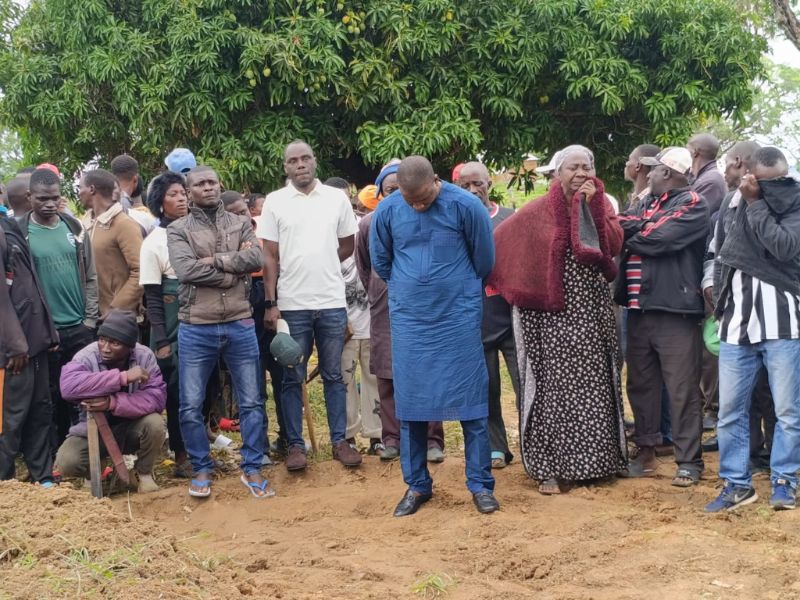
The article reports that at least 11 people were killed in an early-morning attack on Zaranga village in Gombi Local Government Area of Adamawa State, Nigeria, on September 7, 2026. Suspected Boko Haram militants allegedly entered the village before dawn, shot residents, and burned homes. A resident said 11 bodies had been recovered and that several people were still missing, prompting search efforts by residents and security personnel. Another resident said his wife and two other family members were among those killed. The Adamawa State Police Command spokesperson, SP Suleiman Nguroje, did not respond to requests for confirmation by the time the article was published. The article also describes several attacks in Plateau State’s Mangu Local Government Area. Residents reported killings in Fungtim, Kinat, and along the road from Marish, as well as an attack on Muko in which homes were burned and residents fled. Mathias Ibrahim, secretary of Mangu IDP, said displaced families were sheltering in communities including Kanger and Wubel and urgently needed food. The reports contribute to a broader pattern of alleged killings, property destruction, and displacement in parts of Nigeria’s Middle Belt and northeast.
Biblical Context
Scripture provides a relevant ethical framework for responding to the article’s reported killings, displacement, hunger, and insecurity. Jesus teaches concern for hungry people, strangers, and those in distress, while Hebrews calls believers to remember and identify with people who are suffering. These passages support humanitarian concern and assistance for displaced families; they do not establish that the reported attacks fulfill biblical prophecy. The connection is a principle-based application rather than a direct identification of the events with a specific biblical prediction.
Watchmen Signals
The article concerns killings, mistreatment of civilians, displacement, hunger, and the need to assist suffering people—issues Scripture addresses through clear ethical commands concerning mercy, solidarity, and care for vulnerable people. The connection is to biblical responsibility and conduct, not to a demonstrated prophetic fulfillment.
The article reports localized attacks and humanitarian consequences but provides no sufficiently specific or verified connection to a particular biblical prophecy. Similarities involving violence, nations, or persecution are not enough to identify prophetic fulfillment.
Biblical Sources
Scripture references supporting the biblical context above.
The passage calls believers to remember prisoners and those being mistreated as though they themselves were suffering. It supports solidarity with victims of violence and displacement reported in the article.
Jesus describes feeding the hungry, welcoming strangers, and caring for people in need. This provides a direct ethical principle relevant to the article’s report that displaced families urgently need food and shelter.
Comments
No comments yet.
Sign in to join the conversation.
Sign InStay Informed. Grow in Biblical Understanding.
Explore important news from around the world through the context of God's Word. Create your FREE Watchmen account to discover more news analysis, Biblical Insights, and Scripture-based perspectives.
Create Your FREE AccountFree to join. No credit card required.