Israeli leaders condemn riot by 100 radical settler activists who burned Palestinian home, injured 3 police officers
Summary
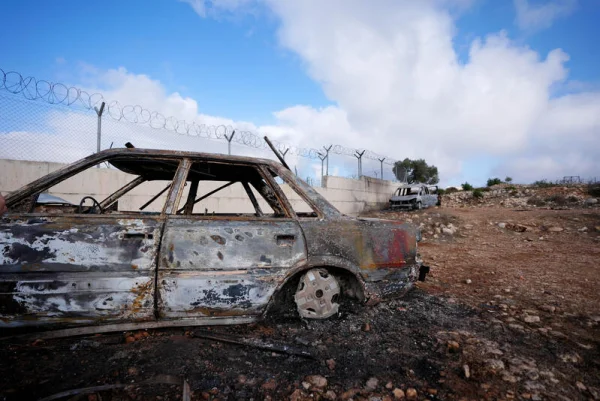
Israeli security forces said roughly 100 radical settler activists rioted near Jalud late Monday, blocking an IDF escort intended to return the Tubasi Palestinian family to its home after alleged settler violence forced them out. The IDF reported injuries to three Border Police officers, property damage, fires, and three arrests. The family said its house and vehicle were torched. Israeli leaders condemned the violence, while reports said additional attacks occurred in nearby Al-Mughayyir. The episode delayed enforcement of a High Court order and intensified concerns about lawlessness and settler extremism.
Watchmen Signals
Biblical Context
The article concerns alleged violence, forced displacement, property destruction, treatment of Palestinians, and resistance to lawful authority. Scripture materially addresses these subjects through commands against oppression, theft, partiality, and the abuse of vulnerable people, as well as through expectations that rulers and communities uphold justice. These passages support a biblical ethical evaluation of the reported conduct; they do not establish that every allegation is proven or identify the incident as prophetic fulfillment. Exodus 23:6-9 warns against perverting justice, oppressing the vulnerable, and mistreating the foreigner. Deuteronomy 24:17-18 specifically prohibits depriving the sojourner or vulnerable people of justice and ties that command to Israel’s memory of oppression. Isaiah 10:1-2 condemns rulers who enact unjust decisions that deprive the poor and vulnerable of their rights. These passages provide direct thematic support for concern about alleged forced displacement, property seizure, and unequal treatment. Leviticus 19:33-34 commands Israel to treat the stranger residing among them with love and justice. Its application here is a principle rather than a claim that the article’s legal or demographic categories exactly match the biblical term. Romans 13:1-4 presents civil authority as responsible for restraining wrongdoing, which provides a relevant New Testament principle concerning the reported obstruction of security forces and the state’s duty to prosecute violence. No specific biblical prophecy is sufficiently identified by the reported facts. The presence of Israel, land conflict, and hostility between communities is not by itself a distinctive prophetic correspondence.
Biblical Sources
Scripture references supporting the biblical context above.
Prohibits depriving vulnerable people, including the sojourner, of justice and commands Israel to remember its own experience of oppression.
Addresses impartial justice, protection against oppression, and the prohibition of mistreating the foreigner; these principles relate to the reported allegations of displacement, violence, and unequal treatment.
Condemns unjust decrees and the deprivation of the rights of the poor and vulnerable, supporting concern about alleged abuse of power and loss of legal protection.
Commands Israel to treat the resident foreigner with love rather than oppression, providing a relevant principle for evaluating reported treatment of Palestinians.
Describes governing authority as responsible for restraining wrongdoing, relevant to the reported attacks on security forces and calls for lawful prosecution.
Comments
No comments yet.
Sign in to join the conversation.
Sign In