Viewpoint: 7-OH controversy: An opioid is available over-the-counter–even at gas stations. Should we be concerned?
Summary
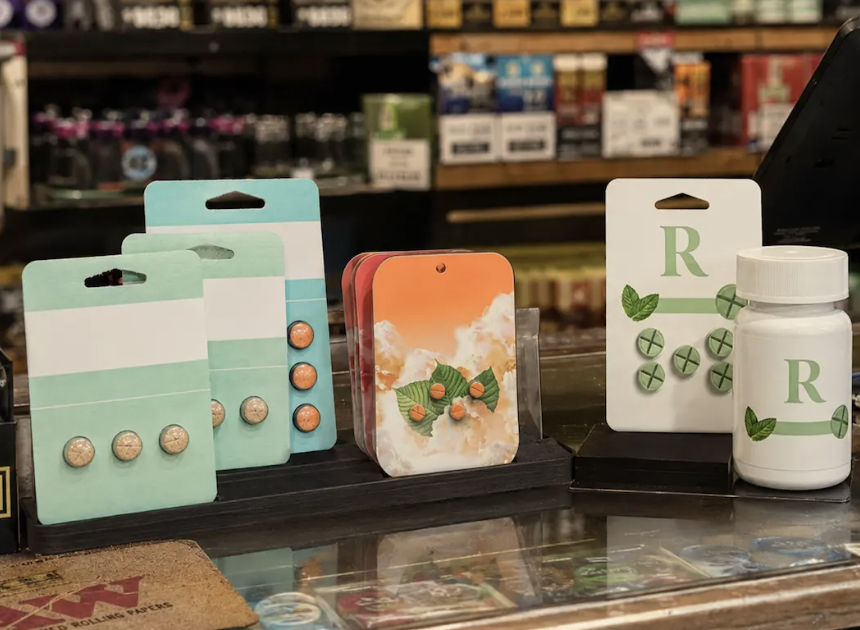
An opinion piece by Liberty Vittert argues that 7-hydroxymitragynine (7-OH), a potent opioid derived from kratom, is being sold openly at gas stations in products such as tablets, gummies, and drink shots. The article says 7-OH targets the same mu-opioid receptor as oxycodone and fentanyl, may be far more potent than morphine, and is not detected by standard opioid panels. Although the FDA recommended Schedule I classification in July 2025, federal action reportedly remains pending, while only some states have acted.
Watchmen Signals
Biblical Context
The article concerns access to a potent intoxicant with opioid effects, risks to self-control and bodily health, and regulatory responsibility for protecting the public. Scripture directly warns against drunkenness and calls believers to sobriety and self-control. Proverbs 20:1 presents intoxicants as potentially deceptive; Ephesians 5:18 forbids drunkenness; and 1 Peter 5:8 commands believers to remain sober-minded and watchful. These passages do not specifically mention 7-OH, kratom, modern opioids, or drug scheduling, so the connection is an application of biblical principles rather than a direct identification of the product. First Corinthians 6:19-20 also supports a broader principle of treating the body as belonging to God. No specific biblical prophecy is meaningfully identified in the reported facts: the article describes a public-health and regulatory problem, not a defined prophetic event.
Biblical Sources
Scripture references supporting the biblical context above.
Describes the believer’s body as belonging to God and calls for honoring God with it, supporting a broader biblical concern for bodily stewardship and avoidance of destructive substance use.
Calls Christians to be sober-minded and watchful, principles relevant to the risks posed by a potent, easily obtained opioid.
Commands believers not to become drunk and instead to live under the influence of the Spirit; this supports the principle of rejecting intoxication and preserving self-control.
Warns that intoxicating drink can deceive and lead a person astray, supporting the biblical concern with harmful intoxicant use.
Comments
No comments yet.
Sign in to join the conversation.
Sign In