Reparations activist does not expect compensation from New York officials as action is delayed for years
Summary
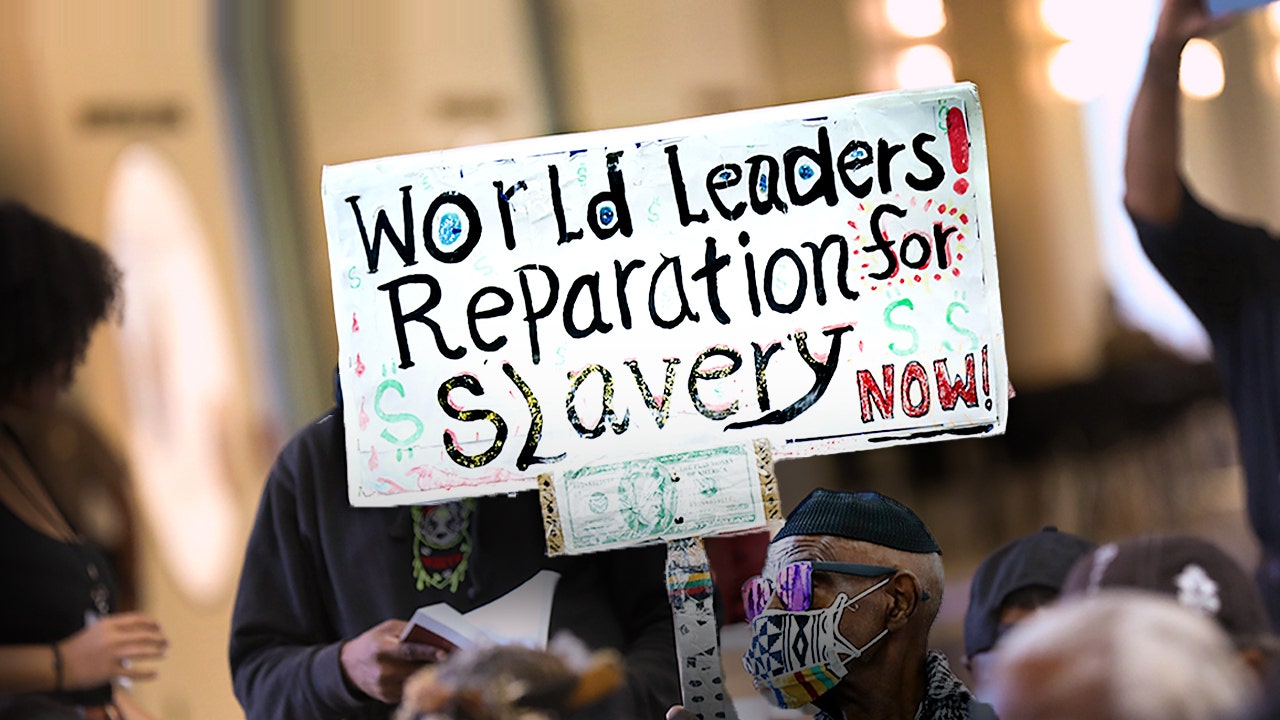
New York lawmakers extended the deadline for the state’s nine-member reparations commission from 2027 to 2029, after its original 2025 target had already been missed. The commission, created in 2023, is examining slavery, Jim Crow discrimination, redlining, and racial wealth disparities and is expected to recommend possible compensation and policy reforms. The U.S. Freedmen Project criticized both the delay and race-based eligibility, advocating reparations limited to direct descendants of U.S. slaves. NYCLU representatives condemned the postponement, while state officials did not respond to Fox News Digital.
Watchmen Signals
Biblical Context
The article concerns historical oppression, discrimination, justice, and proposed restitution, all of which Scripture addresses as moral concerns. Biblical teaching calls rulers and communities to pursue justice, defend the oppressed, and avoid partiality. These principles support taking alleged historical harms seriously and evaluating remedies fairly. They do not, however, establish a specific modern policy for race-based reparations, determine eligibility by ancestry, or resolve the constitutional questions described in the article. Relevant passages include Isaiah’s command to seek justice and correct oppression, Micah’s emphasis on justice and humility, and biblical prohibitions against partiality in judgment. James 2 warns against discriminatory treatment based on social status. Together, these texts provide ethical themes for considering the claims in the article, but they should not be treated as direct authorization for New York’s proposed commission or as proof that one particular reparations framework is biblically required. No specific biblical prophecy is identified. The delayed state study does not meaningfully correspond to a particular prophetic passage or identifiable prophetic pattern.
Biblical Sources
Scripture references supporting the biblical context above.
Commands the pursuit of justice and defense of the oppressed, providing a direct biblical principle relevant to claims of historical discrimination and proposed remedies.
Condemns partiality based on status and reinforces the biblical concern that public treatment and judgment should not be discriminatory.
Requires impartiality in judgment and cautions against favoring either the poor or the powerful, relevant to evaluating competing claims and eligibility standards fairly.
Calls people to do justice, love mercy, and walk humbly with God; this supports ethical concern for injustice while not prescribing a particular reparations policy.
Comments
No comments yet.
Sign in to join the conversation.
Sign In