New Legislation Threatens Independent Documentation of Persecution in Nigeria
Summary
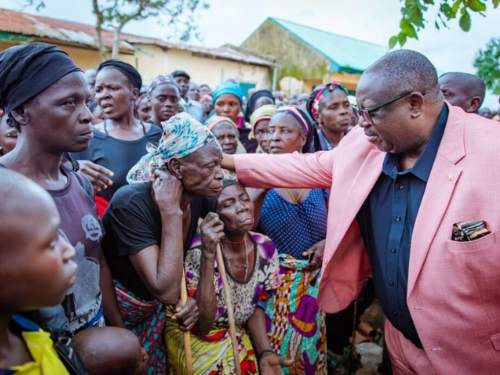
Nigeria’s Senate is considering the Foreign Aid (Regulation, Transparency and Disclosure) Bill, 2026, which would create a regulatory commission and impose additional registration, disclosure, auditing, and compliance requirements on foreign-funded organizations. The Catholic Bishops’ Conference of Nigeria and Human Rights Watch warn that vague “national interest” provisions could enable excessive discretion, sanctions, or a chilling effect on churches, humanitarian groups, researchers, and rights organizations. Critics fear reduced independent documentation of terrorism, religious persecution, displacement, and other violence.
Watchmen Signals
Biblical Context
The article concerns matters Scripture meaningfully addresses: the protection of vulnerable people, truthful exposure of wrongdoing, the responsibilities of civil authorities, and suffering endured by believers. Proverbs 31:8-9 and Isaiah 1:17 support the principle of speaking for people who are vulnerable and pursuing justice. Ephesians 5:11 provides a broader principle concerning the exposure of works of darkness, which can be relevant to truthful documentation of abuses, though it is not a direct mandate about modern journalism or nonprofit regulation. Romans 13:1-4 describes civil authority as having a responsibility to restrain wrongdoing and promote public order; this supports evaluating government regulation according to whether it serves justice rather than arbitrary control. These passages do not identify Nigeria’s legislation as a prophetic fulfillment, and the article does not establish such a connection.
Biblical Sources
Scripture references supporting the biblical context above.
Urges believers not to participate in unfruitful works of darkness but to expose them; this offers a broad thematic parallel to exposing abuses, while not specifically addressing modern civil-society organizations.
Commands the pursuit of justice and defense of the oppressed, providing a biblical principle relevant to documenting violence and advocating for affected communities.
Calls for speaking up for those unable to speak for themselves and defending the rights of the poor and needy, supporting the article’s concern for vulnerable communities and independent reporting of abuses.
Describes civil authority as having a God-given responsibility to promote good and restrain wrongdoing, providing a framework for assessing whether government oversight protects the public or becomes arbitrary and coercive.
Comments
No comments yet.
Sign in to join the conversation.
Sign In