Deepfakes are wrecking influencers’ credibility, one fake ad at a time
Summary
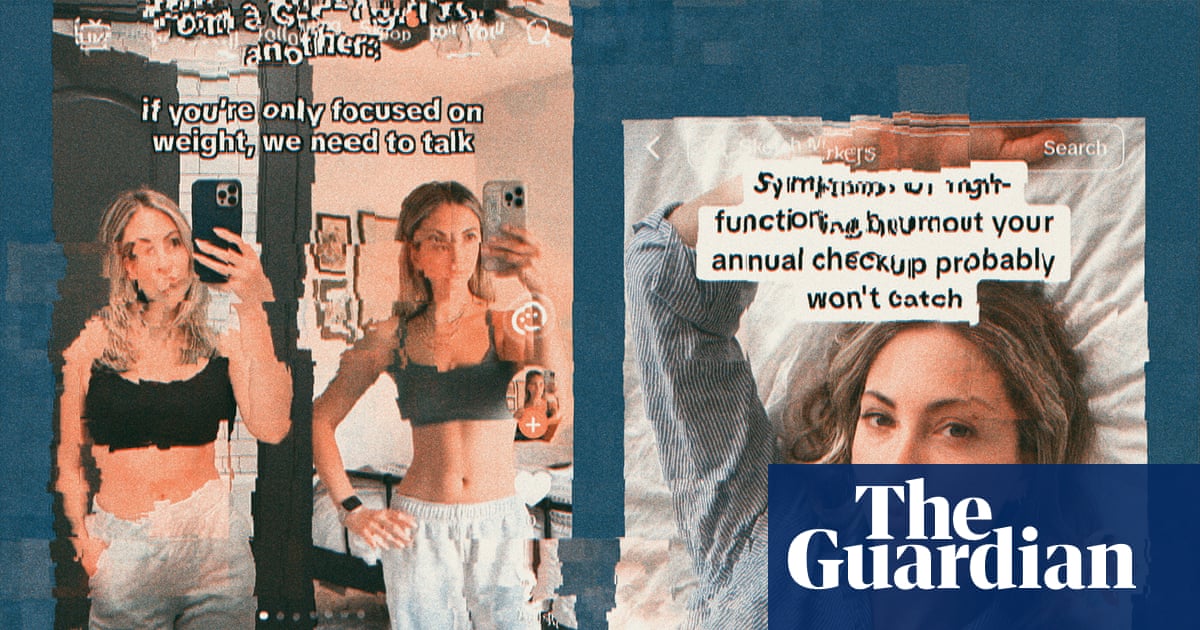
The article examines how generative artificial intelligence is being used to create deepfakes that impersonate influencers and celebrities in unauthorized advertising and scams. Emily Schuman, creator of Cupcakes and Cashmere, discovered altered images and AI-generated videos of herself promoting Gala, Meroda Cosmetics, and Superpower, although she had no relationship with those companies. Superpower’s CEO said one post involving his company was created by a scammer and was reported. Other examples include deepfakes of major celebrities and online creators used to promote products, redirect traffic, or solicit fraudulent payments. The article argues that influencers face a distinct professional threat because their likeness and credibility are central to their income. Molly Tranchin, known as FashionVeggie, sued underwear company Eby, alleging it replaced approved marketing footage with a deepfake showing her in a more revealing pose; she later withdrew the suit over jurisdiction and reportedly plans to refile. Although Meta and TikTok prohibit identity-replicating manipulation, creators quoted in the article say removal systems are slow and ineffective. The article also cites research estimating large consumer losses from deepfake scams and significant spending on virtual influencers, while alleging that platform incentives and advertising systems can allow fraudulent content to spread. The resulting costs include financial losses, reputational damage, lost time, and legal expenses.
Watchmen Signals
Biblical Context
The article has a legitimate but broad connection to biblical teaching about truthfulness, deception, false testimony, and respecting another person’s property and reputation. Creating unauthorized advertisements that falsely imply a person’s endorsement can deceive audiences and damage the person’s good name. Scripture directly condemns bearing false witness and dishonest conduct, principles that apply thematically to AI impersonation and fraudulent marketing. However, the Bible does not specifically address generative AI, deepfake technology, influencer contracts, or platform moderation. The connection is therefore ethical and thematic rather than prophetic. Proverbs 12:22 identifies lying as morally wrong, while Ephesians 4:25 instructs believers to reject falsehood and speak truthfully. These passages support evaluating the alleged conduct, but they do not establish that the reported events fulfill biblical prophecy.
Biblical Sources
Scripture references supporting the biblical context above.
The instruction to put away falsehood and speak truthfully relates broadly to transparency in advertising, online communication, and the use of another person’s likeness.
The commandment against bearing false witness provides a direct biblical principle relevant to fabricated endorsements, impersonation, and misleading representations about a person’s identity or consent.
This passage condemns lying and commends faithfulness, supporting the article’s ethical concern about deceptive advertisements and scams.
Comments
No comments yet.
Sign in to join the conversation.
Sign In