Second Temple-era ritual purification complex uncovered near Temple Mount in time for Sukkot
Summary
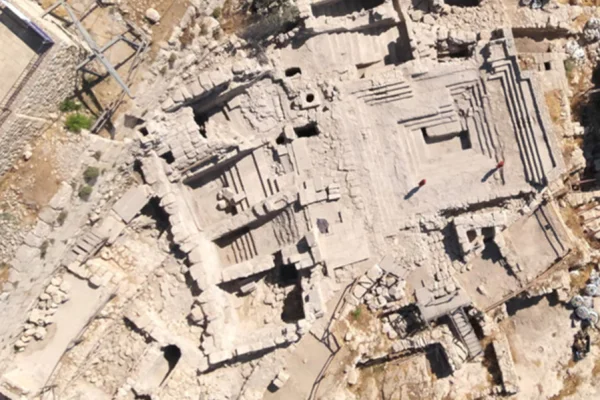
Archaeologists excavating the Ophel area south of Jerusalem’s Temple Mount have uncovered a large, exceptionally preserved ritual-purification complex dating from the early first century CE, during the late Second Temple period. Located near the Triple Gate, it includes a central pool, three public mikvaot, drainage infrastructure, and an earlier purification complex beneath it. The site likely served pilgrims visiting Jerusalem’s festivals and remained in use until the Roman destruction in 70 CE. Coins from the First Jewish Revolt support its final period of use.
Watchmen Signals
Biblical Context
The article directly concerns practices and places addressed in the Bible: ritual purification, pilgrimage to Jerusalem for appointed festivals, and activity at the Temple during the period in which Jesus ministered. Deuteronomy 16:16 describes Israelite males appearing before the Lord at the central sanctuary for the major festivals, providing context for the reported pilgrim traffic. Leviticus 15:5-13 describes washing and water-related purification procedures, though it does not specifically identify this Jerusalem complex or the later mikvah form. John 2:13-16 places Jesus in Jerusalem at the Temple during Passover and confirms the Temple’s central role in the Gospel period. John 7:2 and 7:10-14 likewise place Jesus in Jerusalem during the Feast of Tabernacles, the festival mentioned in the article’s opening. These passages support the site’s biblical-era setting and relevance, but they do not prove that Jesus used this particular complex. No specific biblical prophecy is identified or supported by the archaeological discovery; its significance is historical and contextual rather than prophetic.
Biblical Sources
Scripture references supporting the biblical context above.
Describes appearing before the Lord at the central sanctuary during the appointed festivals, supporting the article’s account of substantial pilgrimage to Jerusalem.
Places Jesus in Jerusalem at the Temple during Passover and confirms the Temple’s central setting during the period relevant to the excavation.
Identifies the Feast of Tabernacles and records Jesus teaching in the Temple during that festival, connecting the article’s festival setting with the New Testament period.
Describes washing and water-related purification procedures, providing biblical context for the ritual-purification function attributed to the excavated baths.
Comments
No comments yet.
Sign in to join the conversation.
Sign In