Flock’s nationwide surveillance network faces mounting scrutiny
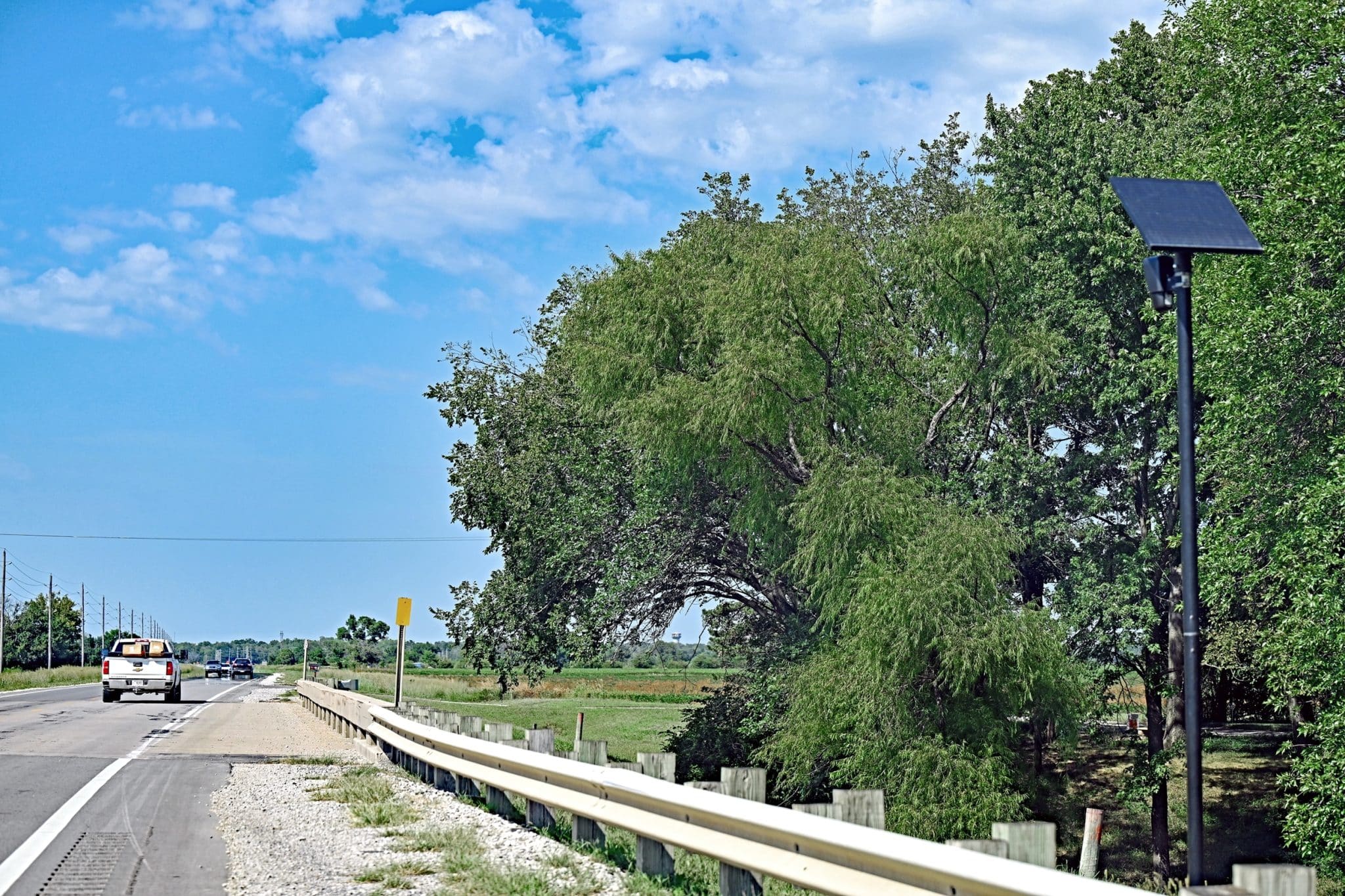
Summary
A U.S. Senate hearing intensified scrutiny of Flock Safety’s automated license plate reader network after disclosures involving weak oversight, unauthorized police searches, data-sharing failures, and camera security vulnerabilities. Flock acknowledged conducting limited oversight of customer searches and confirmed that some non-plate cameras can search images for visible human characteristics, while denying facial recognition. Reported misuse cases include officers tracking personal associates, and Boston’s pilot exposed records outside the city despite contractual restrictions. Lawmakers are considering warrants, funding limits, and broader restrictions on ALPR systems.
Watchmen Signals
Biblical Context
The article has an indirect biblical connection through issues of justice, privacy, misuse of authority, reliable evidence, and the danger of acting on incomplete or misleading information. Scripture directly condemns false testimony and requires impartial justice, but it does not specifically address automated license plate readers or modern surveillance networks. These principles provide an ethical framework for evaluating unauthorized searches, weak oversight, data exposure, and the use of location records in criminal investigations. They do not establish that the reported events fulfill biblical prophecy.
Biblical Sources
Scripture references supporting the biblical context above.
The prohibition against bearing false witness relates broadly to the risks of misuse, misleading interpretation, or unsupported use of surveillance information, although the article does not establish that anyone deliberately gave false testimony.
The command to administer justice fairly supports an ethical concern with impartial investigations, responsible evidentiary standards, and avoiding improper law-enforcement searches.
The warning against answering a matter before hearing it provides a broad principle relevant to the Isaacs case, in which prosecutors allegedly gave substantial significance to a vehicle-location record before the evidence established responsibility.
Comments
No comments yet.
Sign in to join the conversation.
Sign In