She was convicted of a murder she says she didn’t commit. Then AI hallucinations stopped her speaking out
Summary
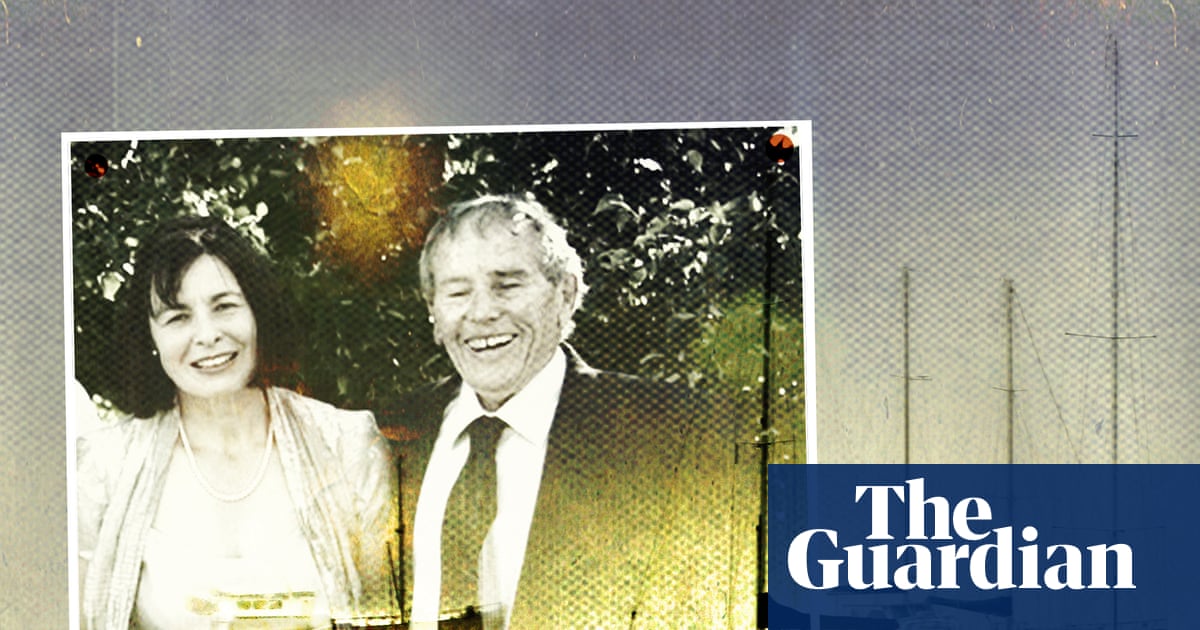
Susan Neill-Fraser, convicted of murdering her partner Bob Chappell after his yacht was found damaged and empty in Tasmania in 2009, has maintained her innocence through appeals and parole. The Tasmanian Parole Board imposed conditions barring her from publicly claiming wrongful conviction, relying partly on a document that cited nonexistent court decisions apparently generated by AI. After a legal challenge, the restriction was removed. The case has renewed concerns about AI oversight, parole transparency, and possible weaknesses in the original circumstantial conviction.
Watchmen Signals
Biblical Context
The article has an indirect biblical connection to principles of truthful testimony, impartial justice, and careful evaluation of evidence. Scripture warns against spreading false reports, accepting unreliable testimony, and denying justice. Those principles can be applied thematically to the reported use of nonexistent legal authorities and to the unresolved dispute over evidence in Neill-Fraser’s conviction. These passages do not establish whether she is innocent or guilty, and the article does not present a legitimate basis for identifying prophetic fulfillment.
Biblical Sources
Scripture references supporting the biblical context above.
This passage requires multiple witnesses and careful examination in serious accusations, emphasizing that legal judgment should not rest on inadequate or false testimony. It is thematically relevant to the article’s discussion of circumstantial evidence and witness reliability.
This passage addresses false reports, unreliable witnesses, partiality, and the obligation to administer justice. It provides a broad biblical principle relevant to fabricated legal citations and disputed evidence, without determining the facts of this case.
Comments
No comments yet.
Sign in to join the conversation.
Sign In