Christians flock to Jerusalem for Feast of Tabernacles as tour operators hope for rebound
The Watchmen's Summary
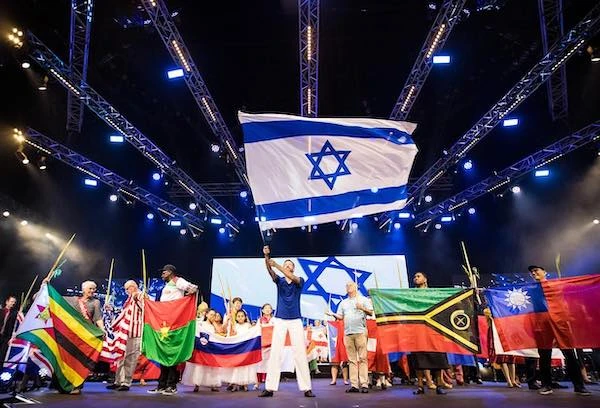
Christian organizations and tour operators report sustained interest in bringing visitors to Israel despite war-related risks and a broader tourism downturn. The International Christian Embassy Jerusalem expects roughly 2,000–3,000 participants from more than 70 nations for its Sept. 25–30 Feast of Tabernacles event, with additional tours planned. Christians For Israel-Germany is also attracting younger travelers. However, Israel recorded fewer tourist arrivals during the first eight months of 2026 than the previous year. Operators cite cancellations, missile dangers, and evacuation difficulties, while expressing cautious optimism about recovery.
Biblical Context
The article directly concerns the Feast of Tabernacles, a biblical feast also called the Feast of Booths. In Leviticus, God commanded Israel to observe this annual festival, remember the wilderness journey, and rejoice before Him. The modern Christian event described in the article is an organized contemporary observance and pilgrimage; the article does not demonstrate that it fulfills biblical prophecy. The tourism and solidarity aspects are modern applications and should not be treated as equivalent to the original covenant command.
Watchmen Signals
The article’s central event is explicitly the Feast of Tabernacles, a feast directly described and commanded in Scripture. Its modern Christian observance is therefore biblically relevant, even though the article does not claim prophetic fulfillment.
The article reports a religious gathering and tourism activity but provides no evidence that these events fulfill a specific biblical prophecy. The Feast of Tabernacles itself is a biblical feast, but its modern observance does not establish prophetic fulfillment.
This is scheduled annual event and incremental tourism reporting, not a rapidly developing event requiring prompt notification.
Biblical Sources
Scripture references supporting the biblical context above.
This passage establishes the Feast of Tabernacles, its timing, purpose, and commanded observance, providing the direct biblical context for the Christian Feast event described in the article.
Comments
No comments yet.
Sign in to join the conversation.
Sign InStay Informed. Grow in Biblical Understanding.
Explore important news from around the world through the context of God's Word. Create your FREE Watchmen account to discover more news analysis, Biblical Insights, and Scripture-based perspectives.
Create Your FREE AccountFree to join. No credit card required.