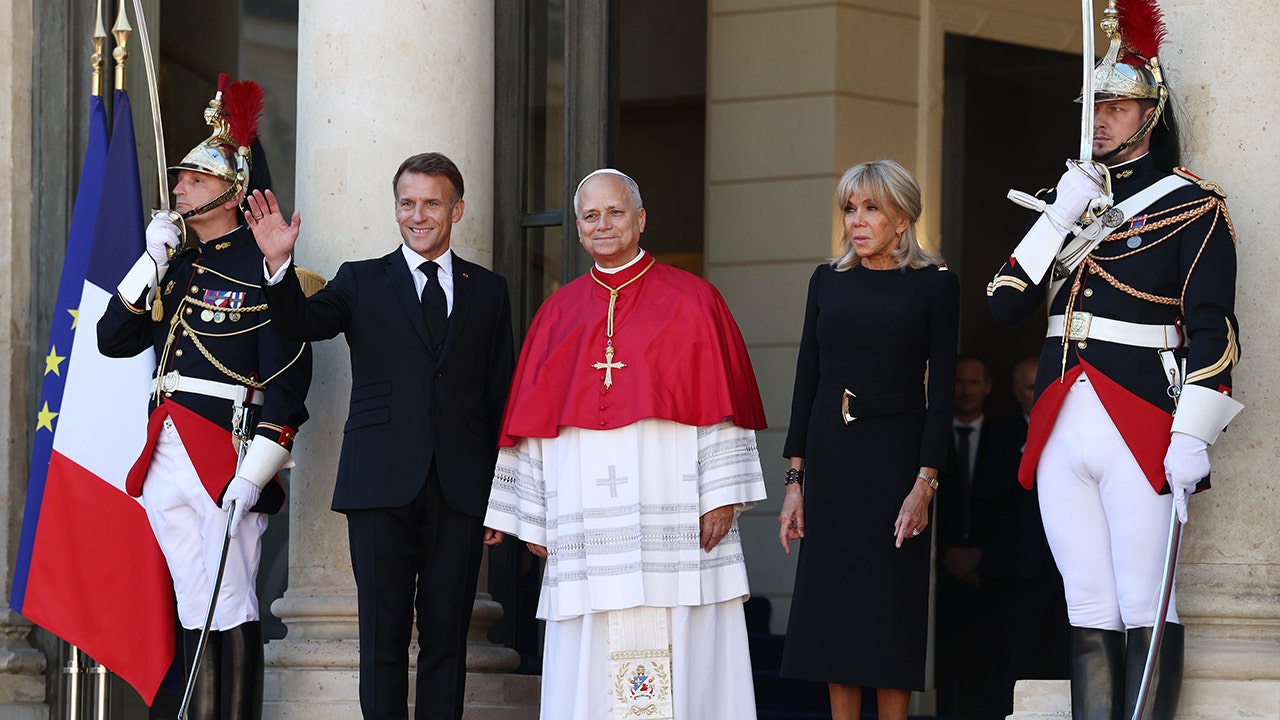
Pope Leo XIV begins historic 4-day visit to France
The Watchmen's Summary
The article reports that Pope Leo XIV began a four-day visit to France, including stops in Paris, Lourdes, and Metz, with meetings involving President Emmanuel Macron, French bishops, and abuse survivors. The visit centers on faith, healing, human dignity, peace, immigration, abortion, euthanasia, and artificial intelligence. Organizers reportedly expect as many as one million people at a Paris Mass. The trip occurs amid increased adult baptisms, continuing fallout from clergy-abuse scandals, and French legislation concerning abortion and assisted death.
Biblical Context
The article has a meaningful biblical connection because it directly discusses the value and protection of human life, concern for the unborn and sick, treatment of vulnerable people, repentance and institutional accountability, and the moral limits of technological power. Scripture presents human beings as made in God’s image and treats life in the womb as known and valued by God. These principles provide a biblical framework for evaluating debates over abortion, assisted death, human dignity, and the Church’s responsibility toward victims. The connection is about biblical ethics and moral accountability, not evidence that the papal visit fulfills prophecy.
Watchmen Signals
The article substantially addresses issues Scripture treats directly, especially the value of human life, protection of vulnerable people, moral responsibility, and accountability among religious leaders. The connection is broader than a single explicit biblical event or doctrine, so Relevant is more appropriate than Direct.
The article reports a papal visit, religious attendance, European diplomacy, ethical legislation, and AI concerns, but it does not establish a credible connection to a specific biblical prophecy or demonstrate prophetic fulfillment.
This is coverage of a planned papal journey and scheduled speeches, not a sudden event requiring prompt notification.
Biblical Sources
Scripture references supporting the biblical context above.
The condemnation of negligent shepherds and failure to protect the weak provides a relevant biblical framework for assessing institutional abuse, indifference, and church leadership accountability.
The statement that humanity is made in God’s image supports the article’s discussion of human dignity and the treatment of people as more than technological or political objects.
The instruction to speak for those who cannot speak for themselves relates broadly to concern for vulnerable people, including the sick, unborn, and abuse survivors mentioned in the article.
This passage describes God’s knowledge and care for a person in the womb, providing a direct biblical connection to the article’s discussion of protecting unborn life.
Comments
No comments yet.
Sign in to join the conversation.
Sign InStay Informed. Grow in Biblical Understanding.
Explore important news from around the world through the context of God's Word. Create your FREE Watchmen account to discover more news analysis, Biblical Insights, and Scripture-based perspectives.
Create Your FREE AccountFree to join. No credit card required.