Aadhaar biometrics rule for subsidies effectively makes India’s digital ID mandatory
Summary
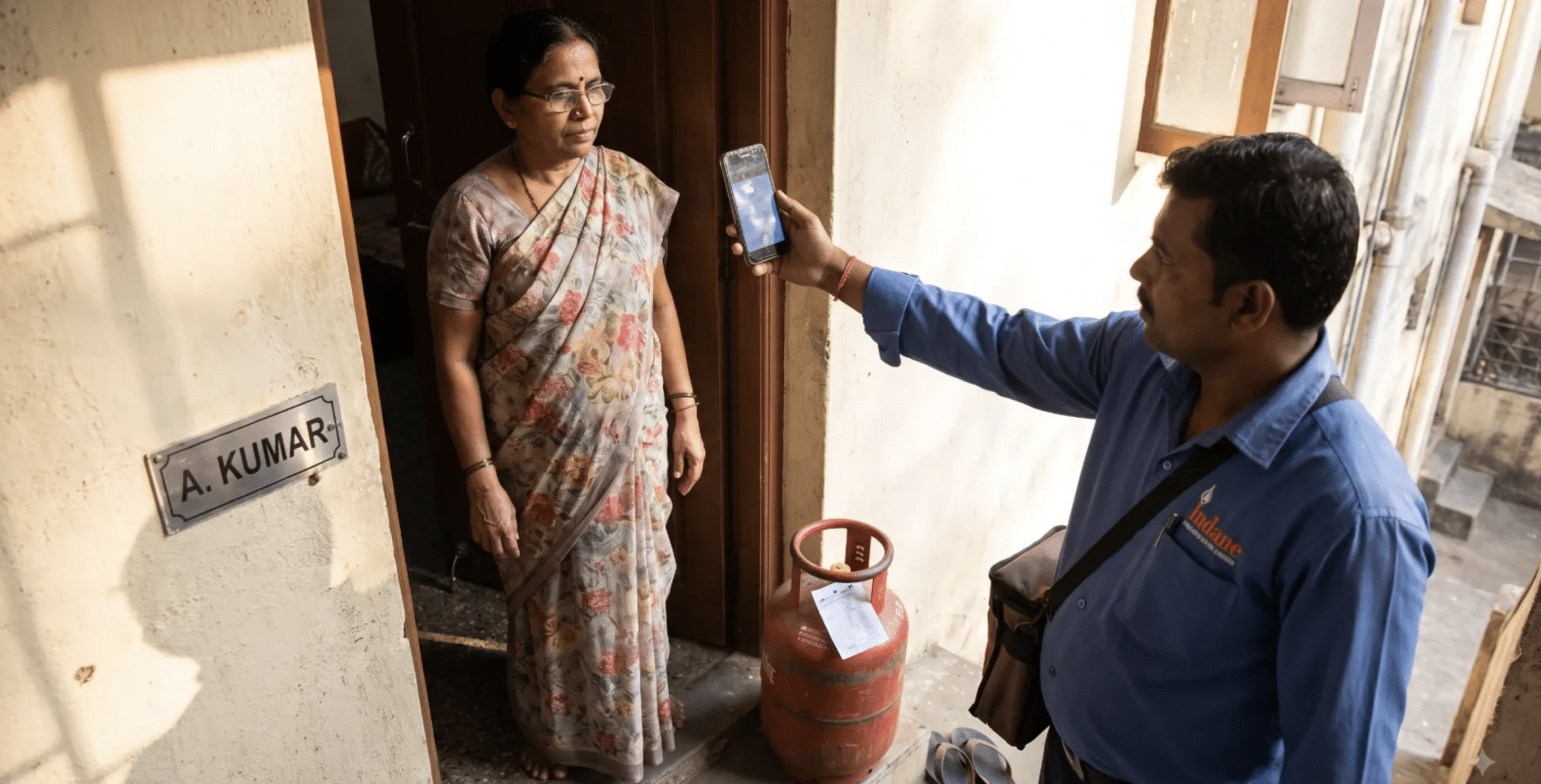
India has made biometric Aadhaar authentication a condition for continuing LPG subsidies for previously registered beneficiaries, beginning October 1, according to the article. The policy aims to reduce fraudulent diversion of subsidized cooking fuel. The government says LPG itself will not be denied, but the subsidy may be withheld without authentication. More than 274 million recipients—nearly 90 percent—have completed verification. Critics warn that biometric failures, limited alternatives, or lack of enrollment could exclude poor households from assistance, despite Aadhaar historically being described as voluntary for subsidies.
Watchmen Signals
Biblical Context
The article raises a legitimate biblical concern about whether systems intended to distribute aid to the poor can unintentionally exclude people through administrative or technological barriers. Scripture repeatedly calls for protection of vulnerable people and impartial treatment. These are broad ethical connections, not evidence that the Aadhaar policy fulfills biblical prophecy. The article contains no strong basis for identifying a specific prophetic fulfillment involving digital identification.
Biblical Sources
Scripture references supporting the biblical context above.
James condemns partiality based on social status. The passage provides a relevant ethical principle for evaluating whether a benefit-access system places disproportionate burdens on poor people, although the article does not prove intentional discrimination.
The passage calls for speaking up for those who cannot speak for themselves and defending the rights of the poor and needy, which relates thematically to ensuring that poor households are not excluded from essential assistance.
Comments
No comments yet.
Sign in to join the conversation.
Sign In