Retired FBI agent warns NCIC breach could threaten police safety during traffic stops
The Watchmen's Summary
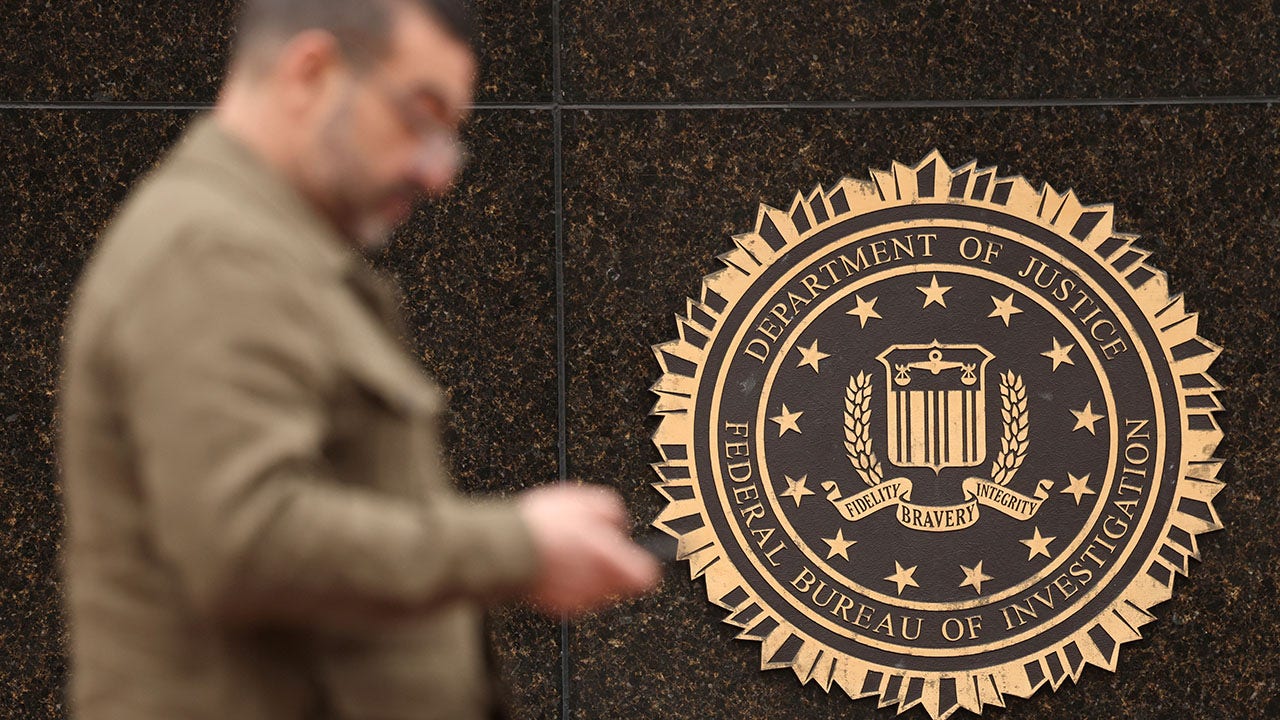
Three sources told Fox News that hackers breached the FBI’s National Crime Information Center, which supplies criminal-record information to patrol cars nationwide. Retired FBI agent Jason Pack warned that altered records could endanger officers during traffic stops, though investigators have found no indication that data was changed or the system disrupted. The FBI is examining how attackers entered the system and whether personal information was compromised. The incident follows a September attack on an FBI jobs portal and broader federal cybersecurity concerns.
Biblical Context
Unauthorized access, possible theft of personal information, deception through altered records, and the protection of people by civil authorities all have genuine biblical connections. The article does not establish that records were changed or information was stolen, so these passages illuminate the conduct at issue and the responsibilities potentially implicated rather than prove that every alleged harm occurred. Exodus 20:15 prohibits stealing, which applies directly in principle if attackers obtained or misused personal information. Exodus 20:16 condemns false testimony; it is not a technical cybersecurity rule, but altered criminal records could communicate false information about a person and produce unjust consequences. Romans 13:1-4 describes governing authorities as responsible for restraining wrongdoing and serving the public good. That principle bears on the FBI’s duty to secure a law-enforcement system and on the wrongdoing of anyone who compromises it. Proverbs 21:3 places doing justice and righteousness above ritual, reinforcing the need for accurate records and fair treatment when police rely on database information. These are ethical and institutional parallels, not evidence of a specific prophetic event.
Watchmen Signals
Unauthorized access, possible misuse of personal information, deceptive alteration of records, and the duty of authorities to protect the public are all addressed by biblical teaching on theft, truth, justice, and civil responsibility. The connection is qualified because investigators have not confirmed data manipulation or information theft.
No specific prophetic passage corresponds defensibly to a possible breach of a modern law-enforcement database. Biblical warnings about deception or wrongdoing offer ethical guidance, but the reported cyber intrusion does not establish a distinctive prophetic pattern or fulfillment.
The FBI is actively investigating a newly disclosed intrusion, and the risk to law-enforcement records may evolve as investigators determine how attackers entered the system and whether information was changed or stolen. The absence of confirmed operational disruption makes immediate emergency notification premature.
Biblical Sources
Scripture references supporting the biblical context above.
The command not to steal provides a direct ethical principle for evaluating any unauthorized taking or misuse of personal information, though the article has not confirmed that theft occurred.
The prohibition against false testimony is relevant by analogy to the danger of altered criminal records conveying false information and producing unjust consequences.
The passage prioritizes justice and righteousness, principles relevant to maintaining accurate records and treating people fairly when police rely on database information.
Paul presents civil authorities as accountable for restraining wrongdoing and serving the public good, which relates to the law-enforcement system’s protective function and the obligation to secure it.
Comments
No comments yet.
Sign in to join the conversation.
Sign InStay Informed. Grow in Biblical Understanding.
Explore important news from around the world through the context of God's Word. Create your FREE Watchmen account to discover more news analysis, Biblical Insights, and Scripture-based perspectives.
Create Your FREE AccountFree to join. No credit card required.