‘The doom of humanity’: will the quest to make robotic hands render us obsolete?
The Watchmen's Summary
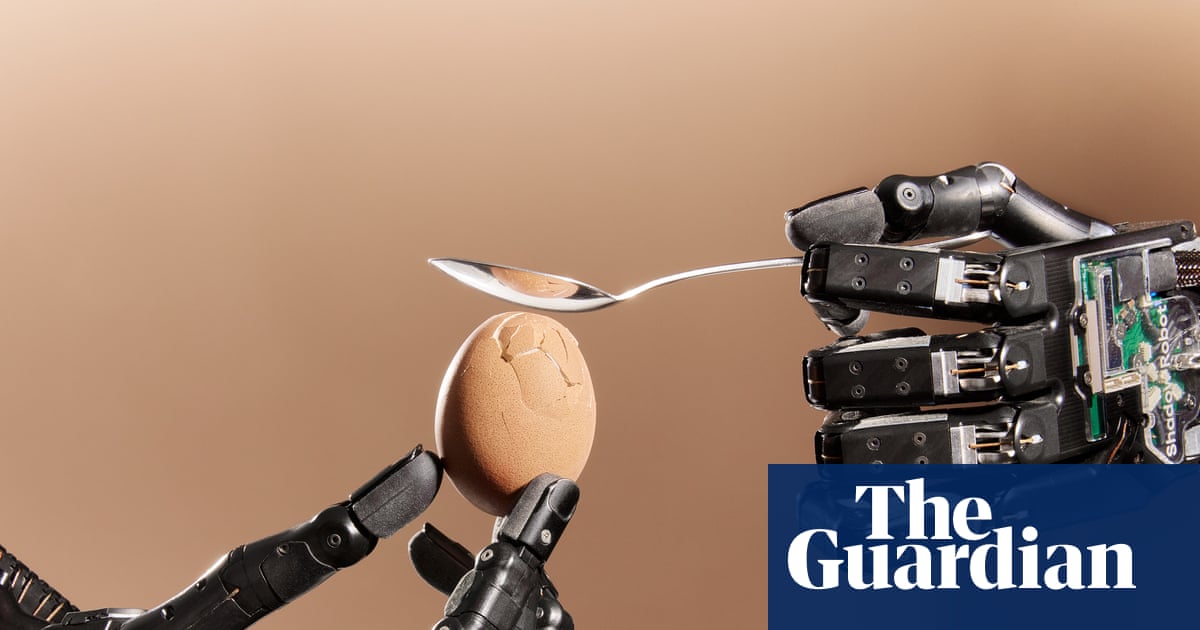
Humanoid robotics companies are making rapid progress on dexterous hands, though current systems remain expensive, fragile and far less capable than human hands. Chinese investment, Tesla’s Optimus program and advances from firms such as Shadow Robot and Google DeepMind are accelerating development. Experts disagree about how soon robots could replace workers, but some predict that warehouse jobs and other manual roles may be vulnerable within years or decades. The prospect raises broader questions about employment, economic disruption and the future value of human skills.
Biblical Context
Human work is treated in Scripture as a meaningful part of creation, not merely as a cost to be eliminated. Genesis 2:15 presents humanity’s calling to cultivate and keep the garden, while Colossians 3:23 instructs people to work wholeheartedly before the Lord. Those passages do not settle whether particular tasks should be automated, but they support taking human purpose, responsibility and the dignity of work seriously as robotics advances. Genesis 1:27 also grounds human dignity in bearing God’s image, which cautions against treating workers as interchangeable components simply because machines may become more efficient. The article’s concern about warehouse employees losing their livelihoods also invites attention to justice in employment. James 5:4 condemns withheld wages and the cries of exploited laborers; it does not directly address automation, but it supports accountability for how employers and economic systems treat people affected by technological change. Scripture does not specifically predict humanoid robots or identify this development as prophecy. The biblical connection is therefore about stewardship, human dignity, work and just treatment, not a claim that current robotics fulfills a prophetic passage.
Watchmen Signals
Automation that could replace warehouse workers and other manual laborers raises questions about the purpose of work, human dignity and the just treatment of people whose livelihoods are affected. Scripture addresses those moral concerns through teaching on stewardship, meaningful labor and justice, although it does not specifically discuss humanoid robots.
No specific prophetic passage corresponds to the article’s reported advances in robotic hands or possible job displacement. Scripture’s references to work, human responsibility and future judgment provide moral principles, not evidence that current robotics fulfills prophecy.
Robotics research and industrial investment are advancing, but the article describes a growing long-term trend rather than a sudden breakthrough, emergency, or immediate change in working conditions.
Biblical Sources
Scripture references supporting the biblical context above.
The instruction to work wholeheartedly before the Lord supports treating work as morally significant rather than viewing workers only as replaceable labor inputs.
Human beings’ creation in God’s image provides a foundation for affirming human dignity, including when technological efficiency threatens to reduce people to economic functions.
Humanity is placed in the garden to work it and keep it, supporting the significance of purposeful human responsibility and stewardship when considering automation.
James condemns the unjust treatment of laborers and gives weight to questions about fair treatment and accountability when workplace changes affect workers’ livelihoods.
Comments
No comments yet.
Sign in to join the conversation.
Sign InStay Informed. Grow in Biblical Understanding.
Explore important news from around the world through the context of God's Word. Create your FREE Watchmen account to discover more news analysis, Biblical Insights, and Scripture-based perspectives.
Create Your FREE AccountFree to join. No credit card required.