US Treasury presses Singapore, Malaysia on Iran sanctions compliance
The Watchmen's Summary
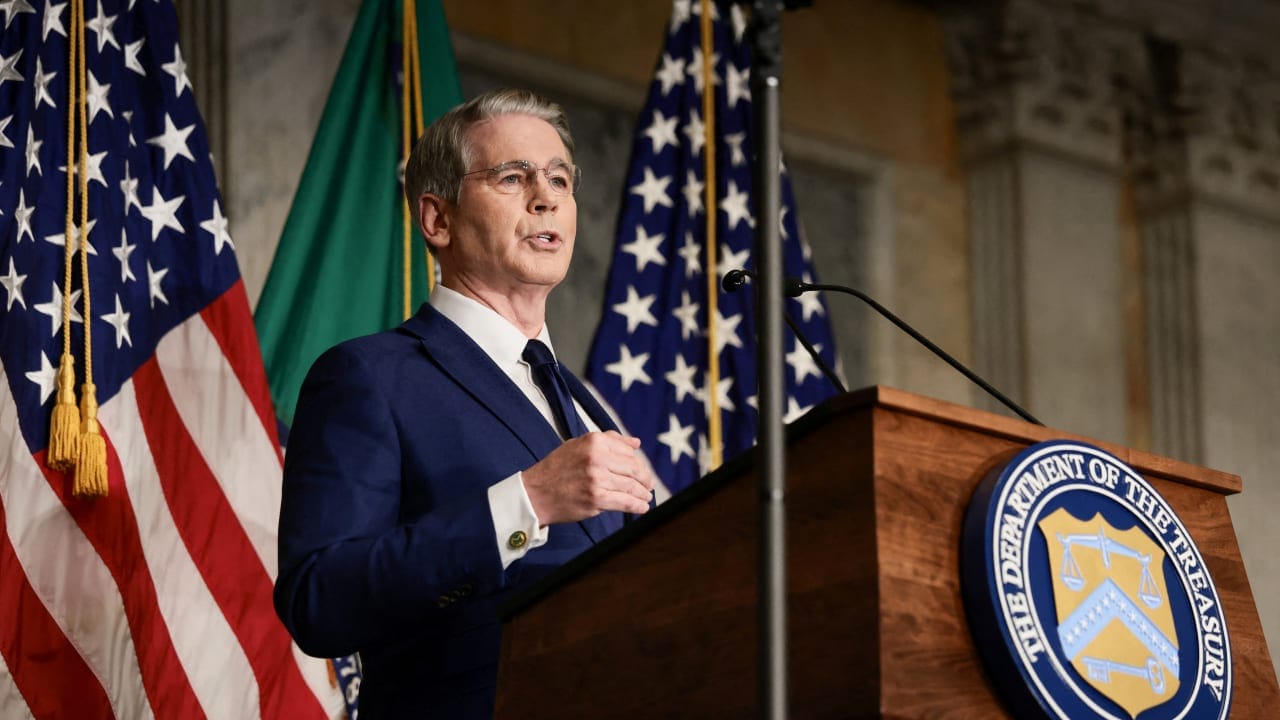
U.S. Treasury officials met with authorities in Singapore and Malaysia to press for stricter enforcement of sanctions on Iran, warning banks, law firms and transport firms about Iranian front companies. Washington is targeting maritime transfers, aviation services and procurement networks that may support Iranian oil revenues. The effort follows reported U.S. and Israeli strikes on Iran, expanded sanctions and naval restrictions around the Strait of Hormuz. Malaysia has seized tankers, while public records show Iran Airtour recently operated flights to Kuala Lumpur.
Biblical Context
U.S. and Israeli strikes, maritime restrictions, sanctions enforcement and severe economic pressure place government power, warfare and the effects of international conflict at the center of the story. Jesus warned that nations would rise against nations and that wars would occur, but Matthew 24:6–7 is a general warning within a broader discussion of the age and should not be treated as proof that these specific events fulfill prophecy. Romans 13:1–4 recognizes governing authorities’ responsibility to restrain wrongdoing and uphold public order; that principle can illuminate the stated U.S., Singaporean and Malaysian efforts to prevent sanctions evasion, while Scripture does not specifically endorse or condemn this sanctions program. Proverbs 14:31 teaches that treatment of the poor reflects one’s regard for their Maker. It is relevant as an ethical reminder when economic pressure produces hardship, although the supplied report does not detail how Iranian civilians are affected. These passages provide moral and thematic context, not a prediction that the reported enforcement campaign is a prophetic event.
Watchmen Signals
U.S. and allied military action, government enforcement of economic restrictions, international conflict and reported economic hardship are conditions Scripture addresses through teaching on war, rulers, justice and treatment of vulnerable people. The connection is substantive but does not mean the Bible specifically prescribes these sanctions or identifies this operation as a biblical event.
The strikes, sanctions and maritime enforcement resemble broad biblical themes involving war and conflict, but the report does not show the distinctive coalition, sequence or other features of a specific prophetic passage. References to Iran, Israel and regional confrontation alone do not establish prophetic fulfillment.
New diplomatic meetings and expanded sanctions enforcement show an evolving pressure campaign, but the latest step is regulatory and investigative rather than a sudden attack or emergency requiring immediate notification.
Biblical Sources
Scripture references supporting the biblical context above.
Jesus describes wars, rumors of wars and conflict among nations; this provides general biblical context for the reported strikes and widening Middle East confrontation, but does not identify these events as fulfillment.
The proverb connects treatment of vulnerable people with regard for God, offering an ethical lens for considering the civilian consequences of severe economic pressure, though those consequences are not detailed in the report.
Paul presents governing authorities as responsible for public order and restraining wrongdoing, a principle relevant to governments’ stated efforts to prevent sanctions evasion and illicit transport.
Comments
No comments yet.
Sign in to join the conversation.
Sign InStay Informed. Grow in Biblical Understanding.
Explore important news from around the world through the context of God's Word. Create your FREE Watchmen account to discover more news analysis, Biblical Insights, and Scripture-based perspectives.
Create Your FREE AccountFree to join. No credit card required.