Netanyahu thinks new Iran war is ‘unavoidable’ as Change Bloc appears divided on Iran issue, unity gov't
The Watchmen's Summary
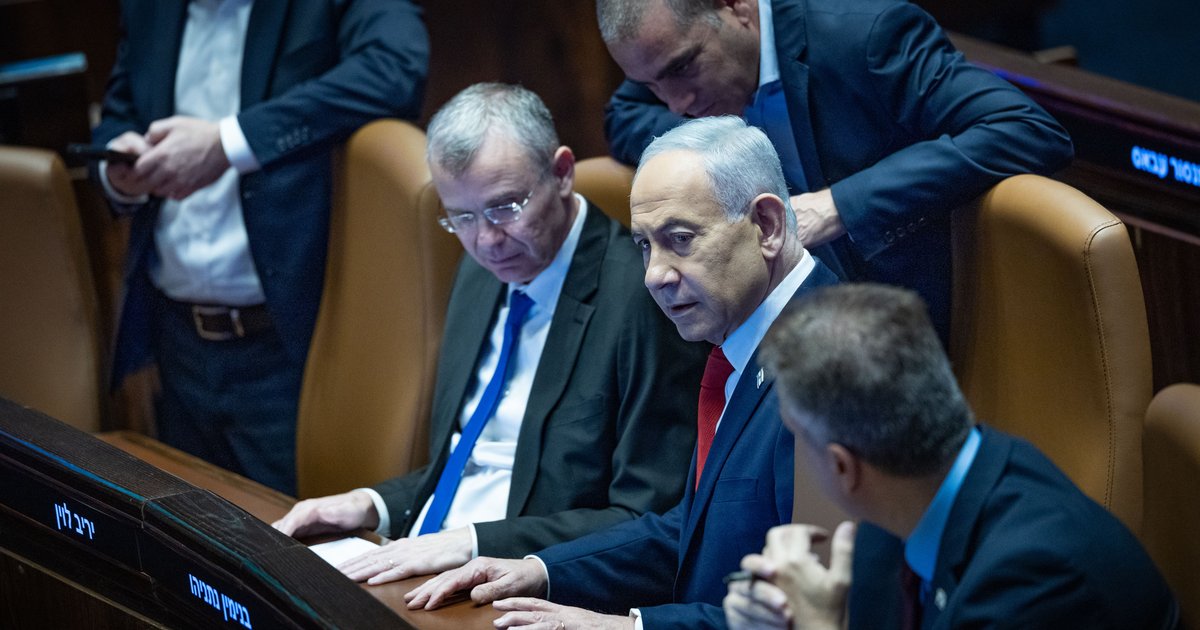
Israeli Prime Minister Benjamin Netanyahu reportedly believes renewed fighting with Iran is unavoidable and is urging U.S. President Donald Trump to approve a short air campaign. Hebrew media report that Israeli forces and U.S. Central Command have joint plans, though no decision or operation has been confirmed. Netanyahu’s caretaker government faces political opposition, with Gadi Eisenkot rejecting immediate action while Naftali Bennett remains undecided after receiving a classified briefing. The Change Bloc continues to seek an emergency unity government, despite internal disagreements over Iran.
Biblical Context
Israel’s possible military confrontation with Iran raises questions Scripture addresses about national authority, the responsibilities of rulers, and the need for prudent counsel before war. Romans 13:1-4 describes governing authorities as accountable to God and charged with restraining wrongdoing; it can illuminate the stated security responsibility of Israeli and American leaders, while also underscoring that political power is not morally self-justifying. Jesus’ teaching in Luke 14:31-32 uses a king considering war to emphasize deliberate assessment of strength and consequences, a principle relevant to reports of proposed strikes and disagreement over their timing. Proverbs 24:6 commends guidance and many advisers in conflict, which relates to the competing security assessments and calls for an emergency government. These passages provide ethical and political principles for considering the reported decisions; they do not identify this confrontation as a fulfillment of a particular prophecy. The article does not establish the distinctive events, alliances, or sequence required for a responsible prophetic conclusion.
Watchmen Signals
Israel’s leaders are weighing possible war, military authority, political legitimacy, and the consequences of action against Iran. Scripture directly addresses the responsibilities of rulers and the prudence required before conflict, although it does not directly describe this modern dispute or establish its prophetic meaning.
The reported military planning and political divisions do not provide a specific, defensible match to a prophetic passage. Israel, Iran, and the prospect of war are not sufficient by themselves to establish prophetic fulfillment, and the article does not report the distinctive coalition or sequence required for such a conclusion.
Officials are discussing timing and military preparations, but no renewed strikes or active escalation are reported. The situation is changing and warrants monitoring, though it does not yet require an urgent alert.
Biblical Sources
Scripture references supporting the biblical context above.
Jesus refers to a king carefully assessing whether he can face another king in war, which relates to the reported debate over military action, timing, and consequences.
The proverb associates successful conflict with wise guidance and many advisers, relevant to the competing security assessments and calls for broader political consultation.
Paul describes governing authorities as accountable to God and responsible for restraining wrongdoing, providing a framework for considering the security duties and limits of Israeli and U.S. leaders.
Comments
No comments yet.
Sign in to join the conversation.
Sign InStay Informed. Grow in Biblical Understanding.
Explore important news from around the world through the context of God's Word. Create your FREE Watchmen account to discover more news analysis, Biblical Insights, and Scripture-based perspectives.
Create Your FREE AccountFree to join. No credit card required.