WATCH VIDEO: Gadi & Bibi should form a broad national unity government that excludes extremists on both right and left
The Watchmen's Summary
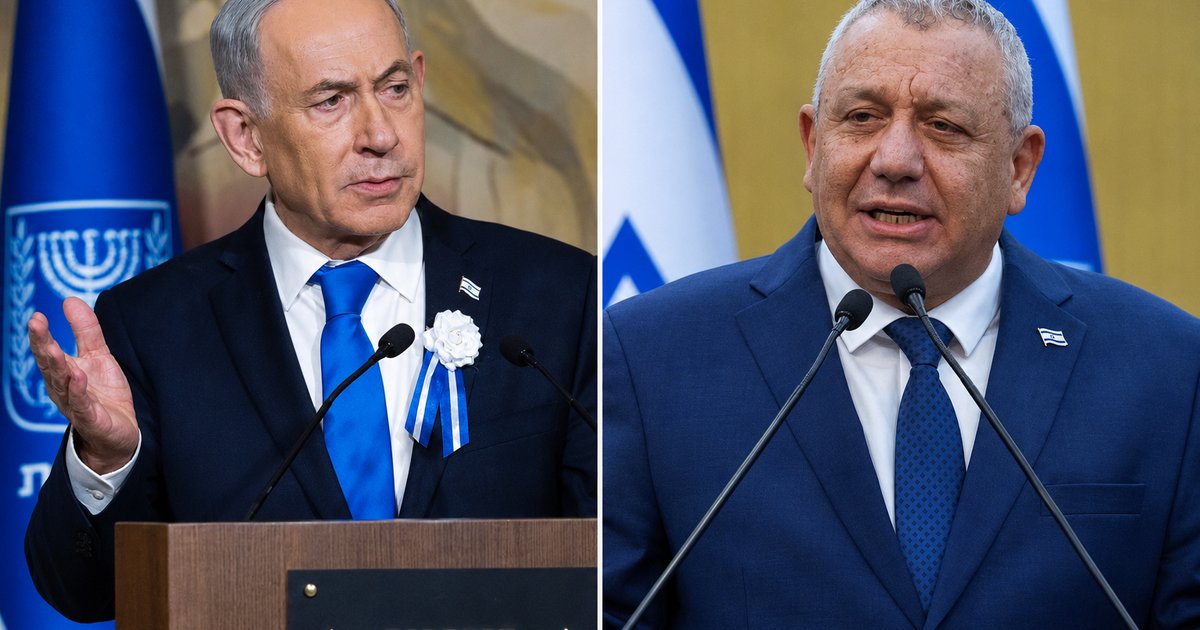
Israel’s election results, as presented, leave neither Prime Minister Benjamin Netanyahu nor Change Bloc leader Gadi Eisenkot with an obvious path to a stable 61-seat government. The author argues that Eisenkot and Netanyahu should form a broad national-unity coalition excluding extremist parties on the right and left. The proposed alliance would also condition ultra-Orthodox participation on military or national service. Although the suggested partners could theoretically command 67 seats, longstanding personal rivalries make such a government difficult to establish and sustain.
Biblical Context
Israel’s unresolved coalition negotiations raise questions Scripture directly addresses about the character and responsibilities of rulers, even though the Bible does not prescribe a modern coalition structure or determine which Israeli parties should govern. Romans 13:1-4 describes civil authority as accountable to God and charged with restraining wrongdoing and pursuing the public good. That principle bears on the article’s emphasis on a stable government, national security, and the conduct of leaders, but it does not validate every policy proposal or partisan characterization in the piece. The proposed exclusion of parties and the debate over military or national service also invite scrutiny under Micah 6:8, which calls for justice, mercy, and humble conduct before God. The passage supplies a moral standard for evaluating political decisions and treatment of citizens, not a direct ruling on eligibility for coalition participation. Finally, 1 Timothy 2:1-2 urges prayer for rulers so that public life may be marked by peace and godliness. The article’s appeal for prayer for Israel’s leaders fits that instruction, while the reported election deadlock remains a political development rather than an identifiable fulfillment of prophecy.
Watchmen Signals
Israel’s election deadlock, the proposed conduct of national leaders, questions of public security, and disputes over citizens’ responsibilities are matters Scripture addresses through its teaching on government, justice, and prayer for rulers. Those principles illuminate the debate without endorsing the author’s coalition design or partisan judgments.
No specific prophetic passage is established by the reported coalition negotiations. Israel’s political instability and conflict with Hamas may resemble broad biblical themes, but the supplied facts do not provide the distinctive correspondence needed to identify a particular prophecy as being represented or fulfilled.
Coalition negotiations following a recent election remain unresolved, and the formation of Israel's next government could affect national leadership and security policy. The situation warrants monitoring but does not present an immediate emergency requiring urgent notification.
Biblical Sources
Scripture references supporting the biblical context above.
Paul instructs believers to pray for rulers and those in authority, directly connecting with the article’s request for prayer for Israel’s leaders during political uncertainty.
This passage provides a moral standard of justice, mercy, and humility for evaluating the conduct of political leaders and the treatment of citizens, without prescribing a particular coalition.
These verses describe governing authority as accountable to God and responsible for restraining wrongdoing and serving the public good, informing the article’s focus on stable leadership and national security.
Comments
No comments yet.
Sign in to join the conversation.
Sign InStay Informed. Grow in Biblical Understanding.
Explore important news from around the world through the context of God's Word. Create your FREE Watchmen account to discover more news analysis, Biblical Insights, and Scripture-based perspectives.
Create Your FREE AccountFree to join. No credit card required.