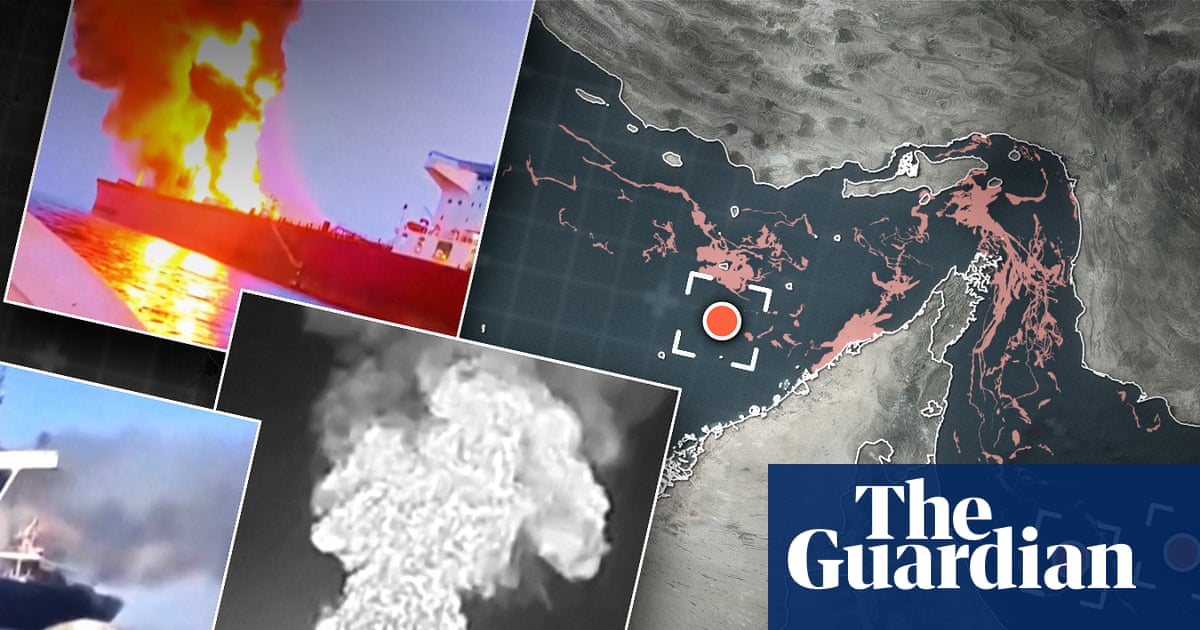
How the war in Iran turned the Gulf into a climate catastrophe – video explainer
The Watchmen's Summary
The war involving the United States, Israel and Iran has turned the Strait of Hormuz into a combat zone and an environmental crisis, according to the report. Tankers damaged by missiles or sea mines are reportedly leaking oil into the Gulf, producing slicks visible from space and threatening coastal areas and marine ecosystems. A naval blockade has restricted access, preventing thorough on-the-ground verification. Satellite imagery reviewed by The Guardian and comments from environmental experts indicate potentially extensive, lasting damage, though its full scale remains uncertain.
Biblical Context
The oil pollution described in the Gulf raises a genuine stewardship question. Genesis 2:15 presents humanity’s responsibility to work the earth and keep or protect it; deliberate or negligent destruction of marine ecosystems conflicts with that responsibility. Psalm 24:1 also frames the earth and its fullness as belonging to the Lord, which places human use of natural resources under moral accountability rather than treating creation as disposable. The war itself also concerns the biblical reality of armed conflict and its consequences for human communities and the created world. Scripture condemns violence and calls rulers to restrain wrongdoing, but the article does not provide enough detail to assess the legal or moral responsibility of the parties involved. These passages support a meaningful biblical connection to stewardship, violence and accountability, but they do not identify the Strait of Hormuz disaster as a fulfillment of a specific prophecy.
Watchmen Signals
Fighting involving the United States, Israel and Iran is producing reported harm to coastlines and marine ecosystems in the Gulf. Scripture directly addresses human responsibility to keep creation and the duty of authorities to restrain wrongdoing, although it does not resolve the parties’ legal responsibility or the full extent of the environmental damage.
No specific prophetic passage describes an oil-spill disaster in the Strait of Hormuz or this particular war. Biblical references to wars, judgment or damaged creation are too general to establish that these reported events fulfill prophecy.
The environmental damage is ongoing and difficult to assess because of the naval blockade, but the article provides an investigative assessment rather than announcing a sudden new escalation requiring immediate notification.
Biblical Sources
Scripture references supporting the biblical context above.
God places humanity in the garden to work it and keep it, providing a direct stewardship principle relevant to reported oil pollution and ecological damage.
The passage declares that the earth and everything in it belong to the Lord, supporting an accountability-based view of humanity’s treatment of creation.
Paul describes governing authority as responsible for restraining wrongdoing and pursuing public order; the principle is relevant to questions of accountability surrounding warfare, though the article does not establish which authorities bear responsibility.
Comments
No comments yet.
Sign in to join the conversation.
Sign InStay Informed. Grow in Biblical Understanding.
Explore important news from around the world through the context of God's Word. Create your FREE Watchmen account to discover more news analysis, Biblical Insights, and Scripture-based perspectives.
Create Your FREE AccountFree to join. No credit card required.