Iran accuses US of following 2003 Iraq war’s ‘fraudulent script’ with chemical weapons claims
The Watchmen's Summary
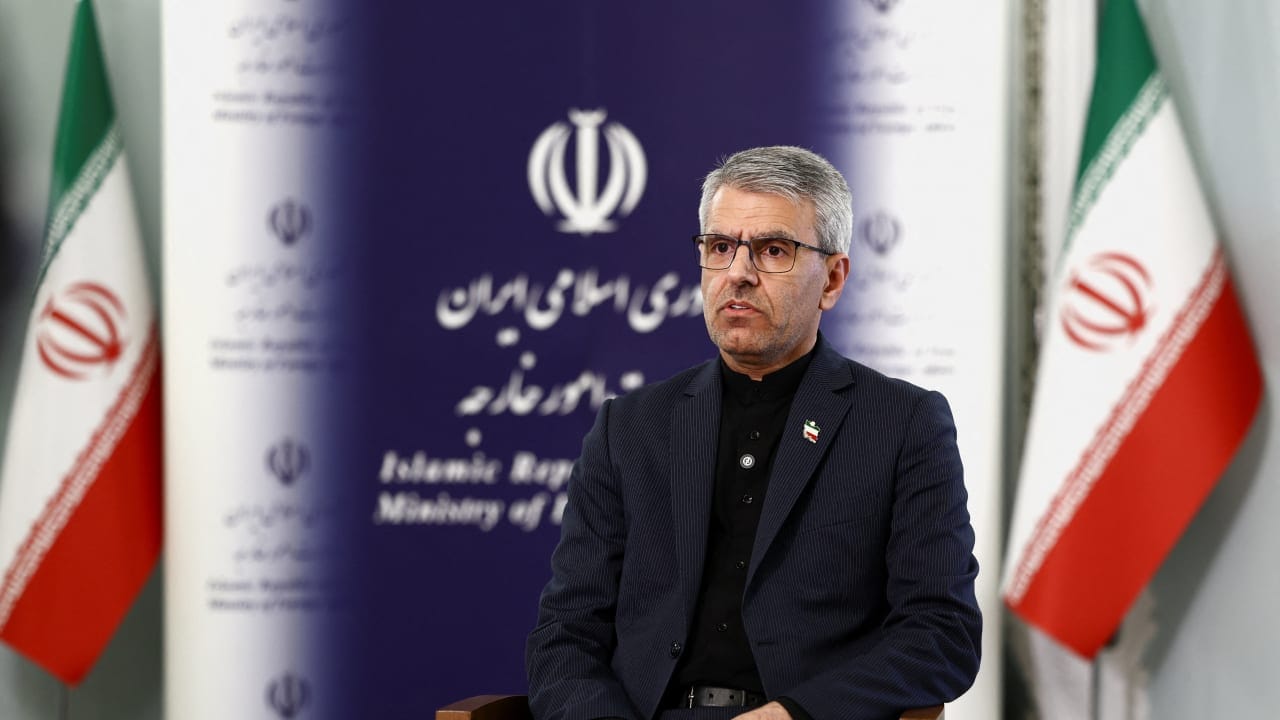
Iranian Foreign Ministry spokesman Esmaeil Baghaei accused the United States of recycling the rationale used before the 2003 Iraq invasion after President Donald Trump said there were indications that Tehran was exploring chemical and biological weapons. Baghaei cited Colin Powell’s discredited 2003 presentation to the UN and warned against another war based on unsubstantiated intelligence. Trump threatened to “wipe them out” if such weapons development occurs, while saying US contacts with Tehran were continuing. The article provides no independent verification of the allegations.
Biblical Context
Truthful testimony, just judgment, and restraint by governing authorities are directly relevant to allegations that intelligence could be used to build public support for war. Exodus 20:16 prohibits false testimony, while Proverbs 12:22 commends truthfulness; these passages do not establish whether either side’s present claims are true, but they underscore the moral seriousness of presenting uncertain allegations as fact. Romans 13:1-4 describes government authority as carrying responsibility to punish wrongdoing and pursue public good, not as a license for arbitrary violence. Jesus’ teaching in Matthew 5:9 also gives peacemaking moral weight. Applied to this dispute, Scripture supports careful verification, honest public claims, lawful accountability, and serious efforts to prevent unnecessary war. The article does not provide a specific biblical prophecy identifying Iran, the United States, chemical weapons allegations, or a future military response, so the reported events should not be presented as prophetic fulfillment.
Watchmen Signals
Disputed weapons claims, public truthfulness, government authority, threatened force, and the danger of another war all fall within subjects Scripture addresses through its teaching on honest testimony, justice, accountability, and peacemaking. Those principles help evaluate the conduct described, but they do not determine whether the US or Iran’s factual claims are correct.
Nothing in the reported accusations, diplomatic contacts, or threat against Iran corresponds specifically enough to establish a particular biblical prophecy. References to Iran, weapons, and regional conflict provide only broad similarities, not evidence that a prophetic passage is being fulfilled.
Fresh public accusations and a threat of force indicate an evolving diplomatic and security crisis. The absence of an attack, confirmed weapons discovery, or immediate military action makes prompt monitoring more appropriate than an urgent alert.
Biblical Sources
Scripture references supporting the biblical context above.
The prohibition against bearing false witness illuminates the ethical seriousness of disputed public allegations and claims used to justify military action.
Jesus blesses peacemakers, providing a direct moral principle relevant to the continuing diplomatic contacts and the danger of escalation.
The passage commends truthful speech and therefore relates to the article’s dispute over the accuracy and presentation of weapons intelligence.
Paul describes governing authority as accountable for restraining wrongdoing and serving the public good, relevant to questions about state power and threatened force.
Comments
No comments yet.
Sign in to join the conversation.
Sign InStay Informed. Grow in Biblical Understanding.
Explore important news from around the world through the context of God's Word. Create your FREE Watchmen account to discover more news analysis, Biblical Insights, and Scripture-based perspectives.
Create Your FREE AccountFree to join. No credit card required.