DAVID MARCUS: In West Virginia, furious citizens and energy companies square off over data centers
The Watchmen's Summary
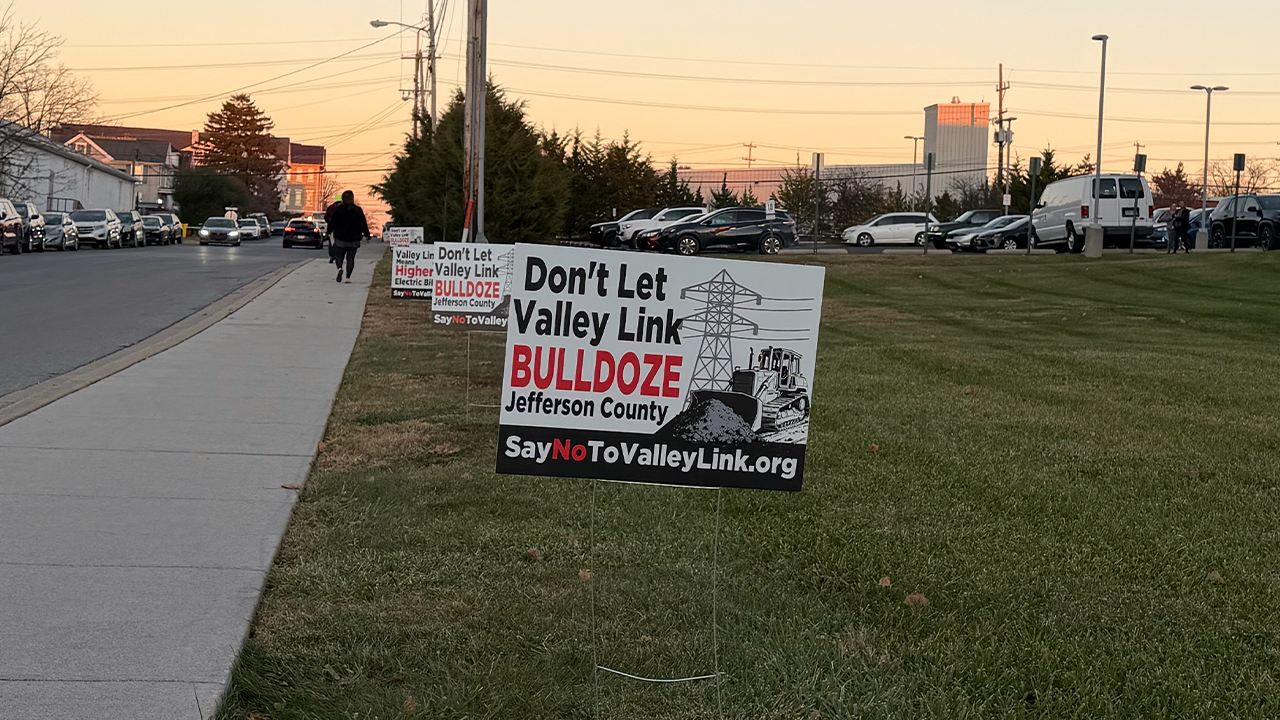
Residents of Jefferson County, West Virginia, protested the proposed Valley Link Transmission Project at a Wednesday open house in Ranson. Opponents say the power line would cross private property to supply data centers in Northern Virginia, imposing costs and damaging the region’s landscape without comparable local benefits. Valley Link representatives said more than 7,000 people had provided input and that community feedback would shape the final route. The gathering exposed competing concerns over AI infrastructure, energy demand, property rights, and local consent.
Biblical Context
Residents’ objections to the proposed Valley Link line center on property, consent, stewardship of local resources, and the use of authority. Scripture does not provide a technical answer about whether this transmission project is necessary or whether its route should be approved. It does, however, offer relevant standards for evaluating both private-property claims and public power. Naboth’s vineyard is the clearest biblical warning against authorities using power to dispossess a person unjustly. In 1 Kings 21, King Ahab wanted Naboth’s inherited land, and the scheme to obtain it through abuse of royal authority led to divine judgment. The case is not identical to a lawful modern eminent-domain process, but it establishes that government need or royal power cannot make unjust seizure morally acceptable. The broader commands against stealing and coveting also support careful respect for property, while Micah condemns those who devise ways to seize fields and houses. These passages do not mean every compulsory acquisition for public infrastructure is theft; they require that officials and project sponsors distinguish genuine public necessity from exploitation, deception, or disproportionate harm. Romans 13:1-4 recognizes government’s responsibility to pursue public good, but it does not grant unlimited authority or remove accountability for injustice. Applied here, the reported public meeting underscores the importance of transparent process, honest evidence about energy needs, and serious consideration of affected neighbors. The article reports competing claims rather than proving that Valley Link is either abusive or necessary. No specific biblical prophecy is established by a proposed power line, data-center expansion, or eminent-domain dispute.
Watchmen Signals
Jefferson County residents say a proposed transmission line could take private property and impose lasting costs on communities, while project representatives defend a public process for meeting regional energy demand. Naboth’s vineyard, the commands against theft and coveting, Micah’s condemnation of land seizure, and Romans’ account of governmental responsibility provide a meaningful framework for weighing property rights, public necessity, and justice. Scripture does not determine this project’s route or establish that the proposed acquisition would be unlawful.
A proposed power line serving data centers does not correspond to a specific biblical prophecy or distinctive prophetic pattern. The dispute may raise questions of justice and authority, but those ethical parallels should not be presented as evidence of prophetic fulfillment.
A public meeting and continuing route-design process do not require immediate notification. The project may evolve through further public input, but no sudden emergency, construction event, or immediate threat is described.
Biblical Sources
Scripture references supporting the biblical context above.
Naboth’s vineyard shows the grave injustice of rulers using power and false proceedings to take inherited private land, offering a specific ethical comparison for claims that eminent domain could dispossess residents unfairly.
The prohibitions against stealing and coveting support respect for property and caution against treating another person’s land as an entitlement, while not by themselves resolving lawful public-acquisition questions.
Micah condemns those who plan to seize fields and houses, reinforcing Scripture’s concern for people whose property is taken through powerful or oppressive action.
Paul describes civil authorities as accountable to God for promoting good and restraining wrongdoing, a principle relevant to evaluating public claims of necessity and the treatment of affected residents.
Comments
No comments yet.
Sign in to join the conversation.
Sign InStay Informed. Grow in Biblical Understanding.
Explore important news from around the world through the context of God's Word. Create your FREE Watchmen account to discover more news analysis, Biblical Insights, and Scripture-based perspectives.
Create Your FREE AccountFree to join. No credit card required.