Supreme Court urged to defang ‘criminal trap’ that has sent Trump officials to prison
The Watchmen's Summary
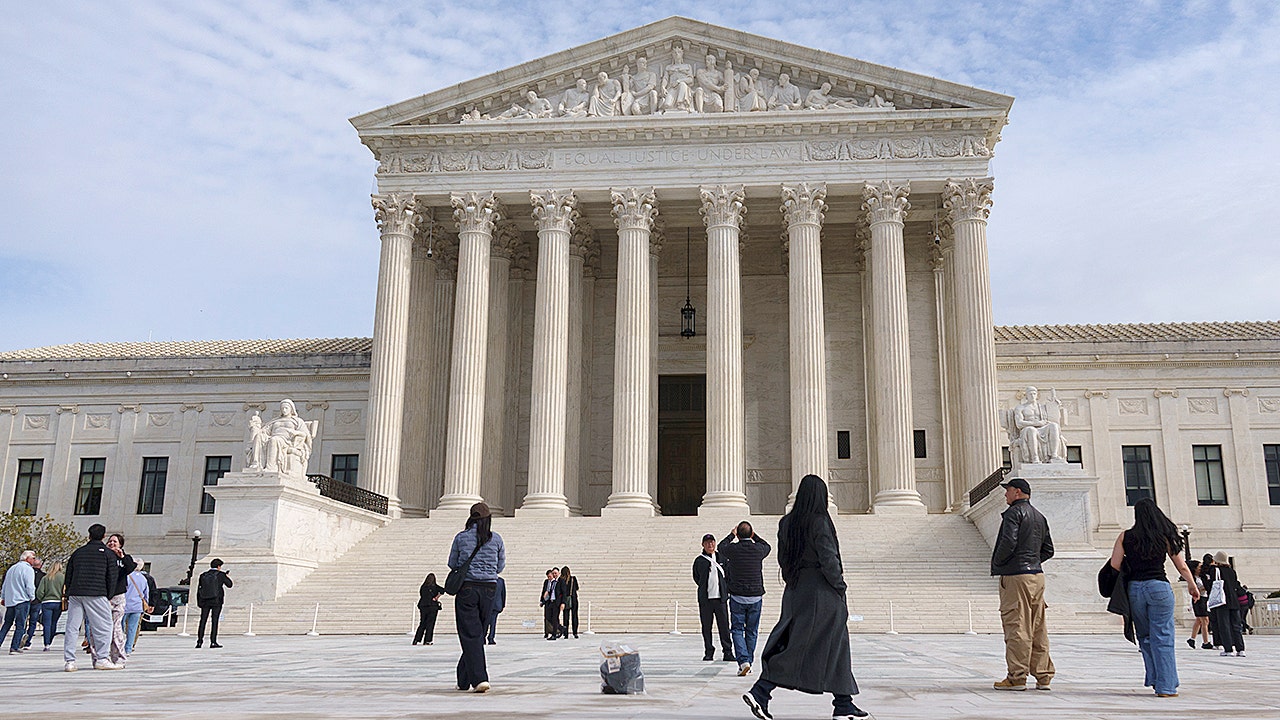
Peter Navarro has asked the U.S. Supreme Court to overturn his convictions for refusing to comply with a House Jan. 6 committee subpoena. Navarro argued that executive privilege and his belief that his refusal was lawful should have mattered. Lower courts rejected that defense, finding that only the president could invoke the privilege and that Navarro acted unlawfully. The justices’ decision whether to hear the case could affect the standard for prosecuting future congressional subpoena disputes and intensify debate over alleged political weaponization of the law.
Biblical Context
Government authority, lawful obedience, and impartial justice are the clearest biblical principles connected to this dispute. Romans 13:1-7 teaches that governing authorities have a legitimate role in maintaining order and punishing wrongdoing, while also presenting public officials as accountable to a just purpose rather than unlimited power. That principle relates to Congress’s asserted authority to seek information and to the question of whether criminal penalties are being applied lawfully.\n\nDeuteronomy 16:18-20 requires judges to administer justice fairly and rejects bribery or partiality. It does not resolve the constitutional question of executive privilege or the meaning of the federal contempt statute, but it provides a relevant standard for evaluating competing claims that legal processes may be used either for legitimate oversight or to target political opponents. The article reports those accusations but does not independently verify them.\n\nThe reported facts do not establish a specific biblical prophecy or a fulfillment of one. This is a contemporary constitutional and criminal-law dispute, and any comparison to prophetic themes would be speculative.
Watchmen Signals
Congressional oversight, criminal punishment, executive authority, and allegations of politically selective law enforcement all involve questions Scripture addresses through its teaching on government authority and impartial justice. Romans 13 and Deuteronomy 16 do not settle the constitutional dispute, but they provide direct principles for judging lawful power and fair legal process.
No specific biblical prophecy corresponds to Navarro’s petition, the contempt convictions, or the Supreme Court’s possible review. Claims about political conflict or alleged legal weaponization do not establish the distinctive events or conditions described in a particular prophetic passage.
Navarro has filed a petition that could produce an important Supreme Court decision, but the justices have not yet agreed to hear the case and no immediate action is required.
Biblical Sources
Scripture references supporting the biblical context above.
These instructions require impartial administration of justice and reject corruption or partiality, principles relevant to the competing claims that the subpoena prosecution was either lawful oversight or politically weaponized.
This passage addresses the authority and responsibilities of governing officials, providing context for Congress’s oversight power and the requirement that public authority be exercised for legitimate justice rather than arbitrary coercion.
Comments
No comments yet.
Sign in to join the conversation.
Sign InStay Informed. Grow in Biblical Understanding.
Explore important news from around the world through the context of God's Word. Create your FREE Watchmen account to discover more news analysis, Biblical Insights, and Scripture-based perspectives.
Create Your FREE AccountFree to join. No credit card required.