Progressives face accusations of racism over attacks on Hakeem Jeffries as he seeks speakership
The Watchmen's Summary
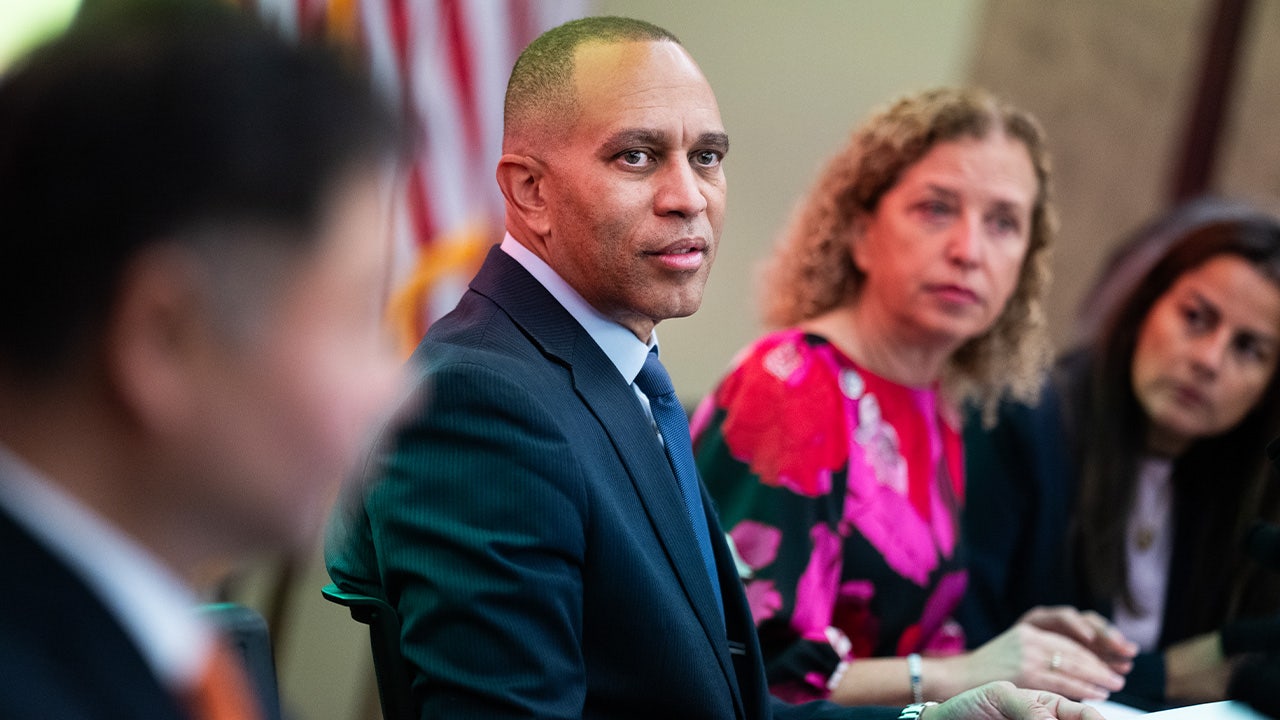
Democrats nominated Rep. Hakeem Jeffries for House speaker, positioning the New York Democrat to become the first Black speaker in U.S. history if elected by the full House on Jan. 3. The nomination has exposed divisions over his support for Israel and legislative priorities, with some progressives withholding support. Strategists and commentators accused Jeffries’ critics of using racialized language, while Rep. Pramila Jayapal clarified that her call for a “short rope” meant a limited window to act and condemned lynching imagery.
Biblical Context
Jeffries’ nomination places questions of public leadership alongside a dispute over racialized insults, political exclusion, and the responsibility attached to speech. Romans 13:1-4 describes governing authority as accountable to God and oriented toward public good; it can illuminate the seriousness of seeking legislative leadership, although it does not endorse any particular party or candidate. James 3:9-10 condemns using speech to bless God while cursing people made in God’s likeness. That principle bears directly on the reported use of racial slurs, alleged racial tropes, and demeaning personal attacks, while also cautioning against declaring intent beyond the evidence provided. Ephesians 4:29-32 calls believers to reject corrupting speech, bitterness, slander, and malice and to practice kindness and forgiveness. It offers a standard for political disagreement, but Scripture does not resolve whether each quoted remark was intentionally racist or determine the outcome of the speakership contest. No specific biblical prophecy is established by a party nomination, an internal political dispute, or the possibility of the first Black speaker.
Watchmen Signals
A contested leadership nomination has brought public authority, racialized insults, and the conduct of political disagreement into view. Romans 13:1-4 speaks to the responsibility of governing leaders, while James 3:9-10 and Ephesians 4:29-32 address contemptuous speech and the dignity of people made in God’s image; these principles illuminate the conduct described without determining the motives of individual speakers.
No specific prophetic passage corresponds to a U.S. party’s speaker nomination or its internal dispute. Political division, racial rhetoric, and the possibility of a historic leadership appointment may raise moral and social concerns, but they do not by themselves establish a defensible connection to fulfilled biblical prophecy.
The nomination was scheduled for a future House vote, with no immediate crisis or rapidly unfolding consequence requiring prompt notification.
Biblical Sources
Scripture references supporting the biblical context above.
Paul instructs believers to reject harmful speech, bitterness, slander, and malice and to practice kindness, offering a standard for conduct amid the reported political conflict.
James addresses the contradiction of honoring God while verbally denigrating people made in God's likeness, which relates directly to the reported racial slurs and personal attacks.
These verses present governing authority as accountable to God and intended to serve public order and good, providing context for the responsibilities associated with seeking the speakership.
Comments
No comments yet.
Sign in to join the conversation.
Sign InStay Informed. Grow in Biblical Understanding.
Explore important news from around the world through the context of God's Word. Create your FREE Watchmen account to discover more news analysis, Biblical Insights, and Scripture-based perspectives.
Create Your FREE AccountFree to join. No credit card required.