Jeffries brushes off opposition from far-left Dems who voted no: 'We’re going to work together'
The Watchmen's Summary
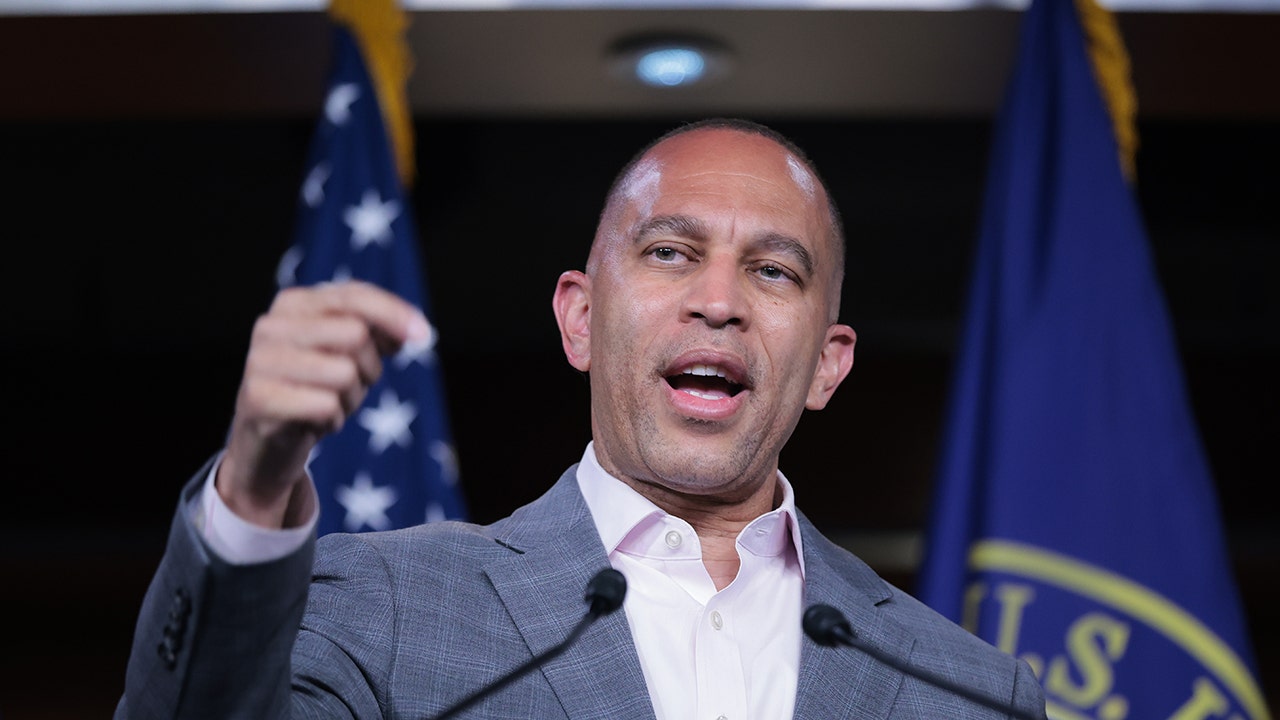
House Minority Leader Hakeem Jeffries was overwhelmingly nominated by House Democrats to become the next speaker, despite 11 dissenting votes from progressive members and members-elect. The dissenters cited priorities including Medicare-for-all, limits on ICE, campaign-finance reform and ending what they called genocide in Gaza. Jeffries declined to endorse their specific demands but said the incoming 260-member majority would work together to oppose “MAGA extremism” and pursue its agenda when Congress begins on Jan. 3.
Biblical Context
The caucus vote places questions of political leadership, governmental authority, justice, immigration enforcement and public integrity in view, but Scripture does not prescribe a modern party platform or settle the specific policy demands named by the lawmakers. Romans 13:1-4 describes governing authority as accountable to God and responsible for restraining wrongdoing, while Micah 6:8 calls for justice, mercy and humble conduct. Leviticus 19:33-34 commands Israel not to mistreat foreigners living among them, a principle relevant to evaluating immigration policy and the treatment of migrants, though it does not determine the proper structure of U.S. enforcement agencies. Exodus 23:8 warns against accepting bribes because they corrupt judgment, which provides a moral principle relevant to the call to reduce money’s corrupting influence in politics. These passages illuminate standards for public leadership and justice; they neither validate the lawmakers’ descriptions of Gaza nor establish a prophetic meaning for the leadership vote.
Watchmen Signals
The leadership contest concerns the exercise of government authority and proposed policies involving immigration enforcement, political influence and the treatment of people affected by conflict. Scripture directly supplies principles about just governance, treatment of foreigners and corrupted judgment, although those principles do not decide the modern policy disputes or verify the lawmakers’ claims about Gaza.
A House caucus nomination and disagreement over immigration, campaign finance and military aid do not correspond to a specific biblical prophecy. The references to Israel and Gaza, political division and government conflict are insufficient by themselves to establish prophetic fulfillment.
The caucus nomination was a scheduled political vote, and no immediate policy change, emergency, or rapidly escalating event is described.
Biblical Sources
Scripture references supporting the biblical context above.
The warning that bribes distort judgment relates to concerns about money influencing political decision-making, while not prescribing a particular campaign-finance system.
Israel is commanded not to oppress foreigners and to love them as neighbors, offering a relevant ethical principle for considering immigration enforcement and treatment of migrants.
The call to do justice, love mercy and walk humbly with God provides a biblical standard for evaluating the conduct and priorities of public officials.
Paul presents governing authority as accountable to God and responsible for restraining wrongdoing, informing reflection on congressional leadership and the exercise of public power.
Comments
No comments yet.
Sign in to join the conversation.
Sign InStay Informed. Grow in Biblical Understanding.
Explore important news from around the world through the context of God's Word. Create your FREE Watchmen account to discover more news analysis, Biblical Insights, and Scripture-based perspectives.
Create Your FREE AccountFree to join. No credit card required.