Israel’s ambassador to Christian world sounds alarm over campaign to weaken Evangelical support for Israel
The Watchmen's Summary
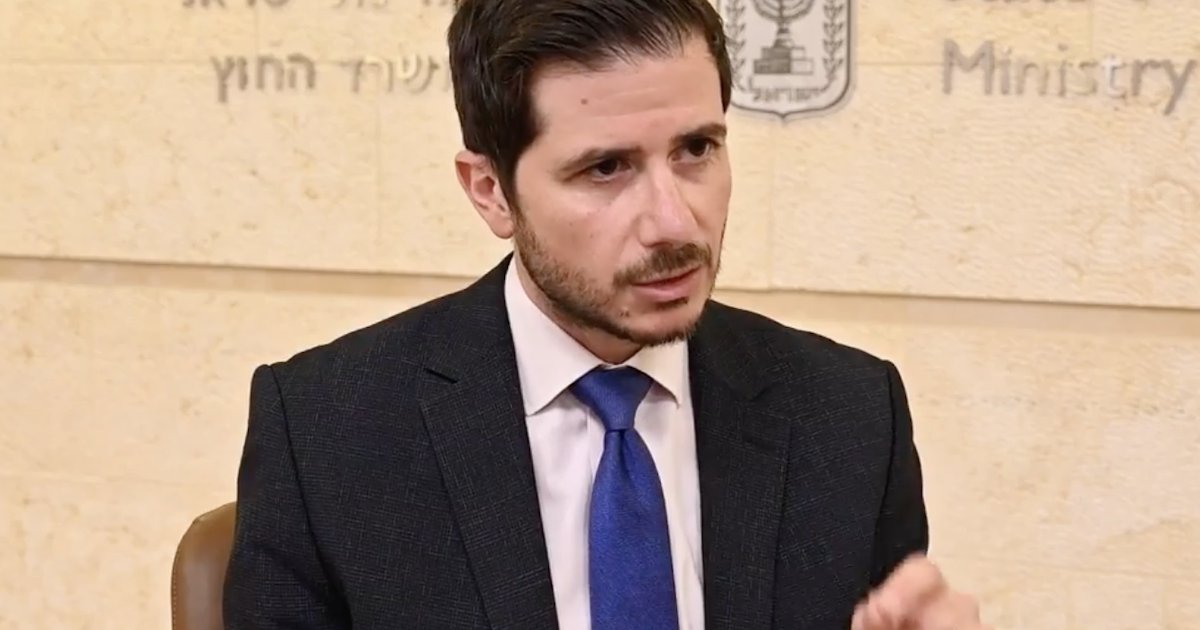
Israeli Ambassador George Deek warned that a Palestinian strategy and broader influence campaigns are seeking to weaken Evangelical support for Israel. He also highlighted a joint statement from Syria’s Greek Orthodox, Melkite Catholic, and Syriac Orthodox leaders describing repeated attacks, kidnappings, torture, and an assault on a bishop. The patriarchs said authorities have failed to provide security, raising questions about the future of Christianity in Syria. The allegations and incidents are presented through statements from Deek and church leaders, without independent verification in the supplied text.
Biblical Context
Violence against Christians, the duty of authorities to restrain wrongdoing, and the responsibility of believers to remember those who suffer are all addressed directly in Scripture. Jesus describes persecution for righteousness as a real condition faced by his followers in Matthew 5:10-12; that passage does not identify the Syrian incidents as prophetic fulfillment, but it provides a direct framework for understanding the suffering described by the patriarchs. Romans 13:1-4 presents governing authority as accountable for promoting good and restraining wrongdoing. The church leaders’ accusation that Syrian authorities have failed to provide security and meaningful investigations can therefore be considered alongside this biblical expectation, while Scripture does not establish the accuracy of the specific allegations. Hebrews 13:3 calls believers to remember prisoners and those being mistreated as though suffering with them, giving Christians a clear pastoral reason to pay attention to endangered Christian communities rather than treating their plight as distant or irrelevant. The article also connects Syria with early Christian history, mentioning Paul’s conversion near Damascus and the designation of Jesus’ followers as Christians in Antioch. Acts 9:1-19 records Paul’s encounter with Christ in the Damascus context, and Acts 11:26 records the Antioch designation. These passages support the historical and ecclesial significance of the region, but they do not predict the reported attacks or guarantee the survival of any present-day Christian community. No specific biblical prophecy is sufficiently identified by the supplied facts; persecution and instability alone are too general to establish prophetic fulfillment.
Watchmen Signals
The Syrian patriarchs describe repeated violence against Christians, kidnappings, torture, and a failure by authorities to provide protection. Persecution of believers, care for the mistreated, and the governing responsibility to restrain wrongdoing are directly addressed in passages such as Matthew 5:10-12, Hebrews 13:3, and Romans 13:1-4.
The attacks and insecurity described in Syria are serious examples of persecution, but the supplied facts do not correspond to a distinctive prophetic passage or establish a specific end-times development. General biblical warnings about suffering cannot by themselves demonstrate prophetic fulfillment.
Recent assaults, kidnappings, and the attack on a Catholic metropolitan show an ongoing and worsening security problem, but the information describes a developing crisis rather than a single immediate event requiring emergency notification.
Biblical Sources
Scripture references supporting the biblical context above.
The passage records Saul’s encounter with Christ in the Damascus context, supporting the article’s reference to the region’s importance in early Christian history.
The passage records that the disciples were first called Christians in Antioch, providing historical biblical context for the article’s discussion of Syria’s ancient Christian heritage.
Believers are instructed to remember prisoners and those being mistreated, supporting Christian concern for communities facing violence and insecurity.
Jesus addresses persecution suffered for righteousness and faithfulness, providing direct biblical context for the attacks against Christians described by Syrian church leaders.
Paul describes governing authorities as accountable to restrain wrongdoing and serve the public good, which bears on the patriarchs’ accusation that authorities have failed to provide security.
Comments
No comments yet.
Sign in to join the conversation.
Sign InStay Informed. Grow in Biblical Understanding.
Explore important news from around the world through the context of God's Word. Create your FREE Watchmen account to discover more news analysis, Biblical Insights, and Scripture-based perspectives.
Create Your FREE AccountFree to join. No credit card required.