Dem governor’s tale of mourning fellow serviceman ripped apart after soldiers wife gives brutal fact check
The Watchmen's Summary
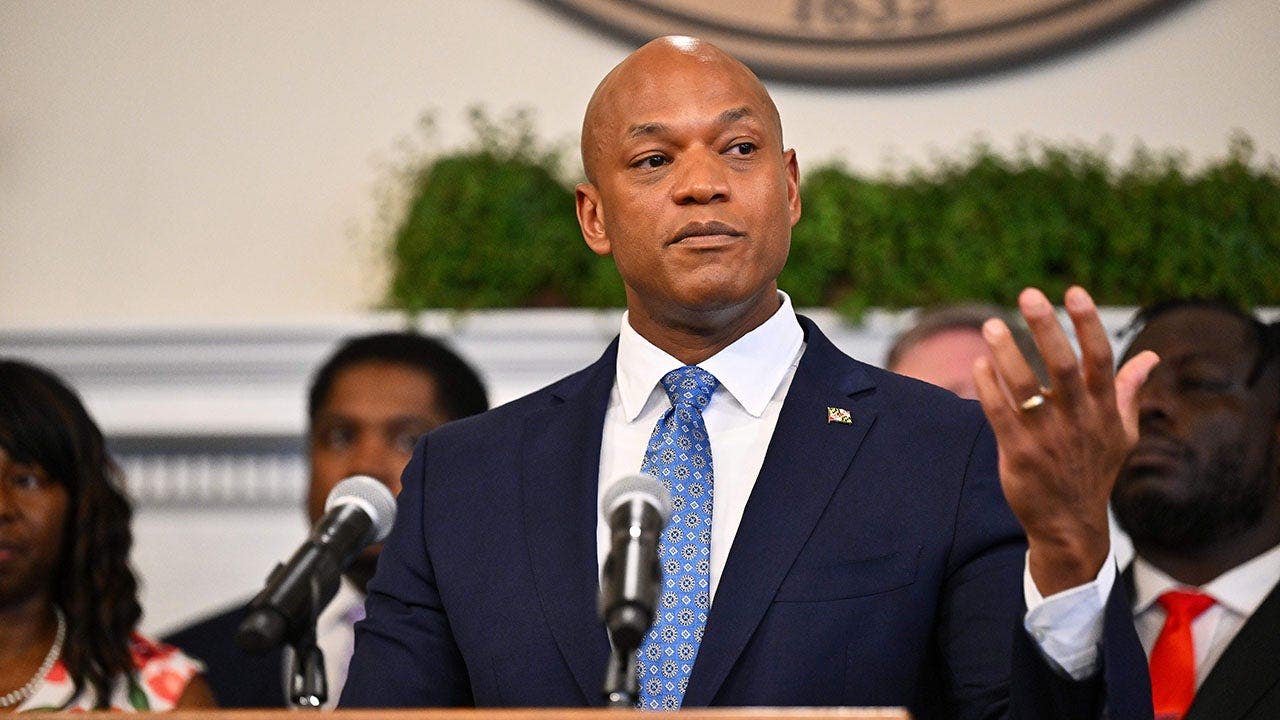
Maryland Gov. Wes Moore is facing renewed scrutiny over a memoir account involving fallen serviceman Tobias Meister. A Baltimore Sun report says Moore described mourning Meister at his grandfather’s funeral, although Meister died 11 days later and Moore reportedly learned of his death afterward. Meister’s widow said she had never heard from Moore before he contacted her following the report. Moore’s spokesperson called the allegations a political hit job, while earlier reporting also questioned claims about his military leadership and Bronze Star history.
Biblical Context
Questions about whether a public leader accurately represented military service, personal relationships, and honors connect directly to biblical teaching on truthful speech and integrity. Exodus 20:16 prohibits bearing false witness, while Proverbs 12:22 commends truthful people and condemns deceit. Ephesians 4:25 likewise instructs believers to put away falsehood and speak truthfully to one another. These passages establish a moral standard relevant to the allegations, but they do not determine whether Moore intentionally misrepresented events. The article presents competing accounts: a reported timeline conflict and the widow’s recollection on one side, and Moore’s explanations and spokesperson’s denials on the other. Scripture also supports accountability in leadership, but the available information warrants caution rather than a definitive judgment about motive or guilt.
Watchmen Signals
Allegations that Wes Moore embellished a relationship, misstated the timing of a serviceman’s death, and overstated aspects of his military record raise the biblical questions of truthful speech, false testimony, and integrity in public life. Because the key allegations remain disputed and the supplied account does not establish intent, Scripture illuminates the ethical issue without settling the factual or moral verdict.
No specific biblical prophecy corresponds to a disputed memoir account or questions about a governor’s military record. The biblical passages most relevant here concern truthfulness and accountability, not a prophetic prediction of this particular controversy.
Fresh reporting and responses from the governor's office indicate an ongoing political and credibility controversy, but no immediate action or rapidly unfolding crisis requires urgent notification.
Biblical Sources
Scripture references supporting the biblical context above.
Paul’s instruction to put away falsehood and speak truthfully applies to the broader ethical question of accurately representing personal history and public service.
The command against bearing false witness provides a direct biblical standard for evaluating allegations that a public account inaccurately portrayed a fallen serviceman and the author’s relationship with him.
This proverb contrasts lying lips with those who act faithfully, supporting the article’s focus on honesty, credibility, and disputed claims about a leader’s record.
Comments
No comments yet.
Sign in to join the conversation.
Sign InStay Informed. Grow in Biblical Understanding.
Explore important news from around the world through the context of God's Word. Create your FREE Watchmen account to discover more news analysis, Biblical Insights, and Scripture-based perspectives.
Create Your FREE AccountFree to join. No credit card required.