Pentagon sued by The Intercept, Freedom of the Press Foundation over alleged 'blacklist' of news outlets
The Watchmen's Summary
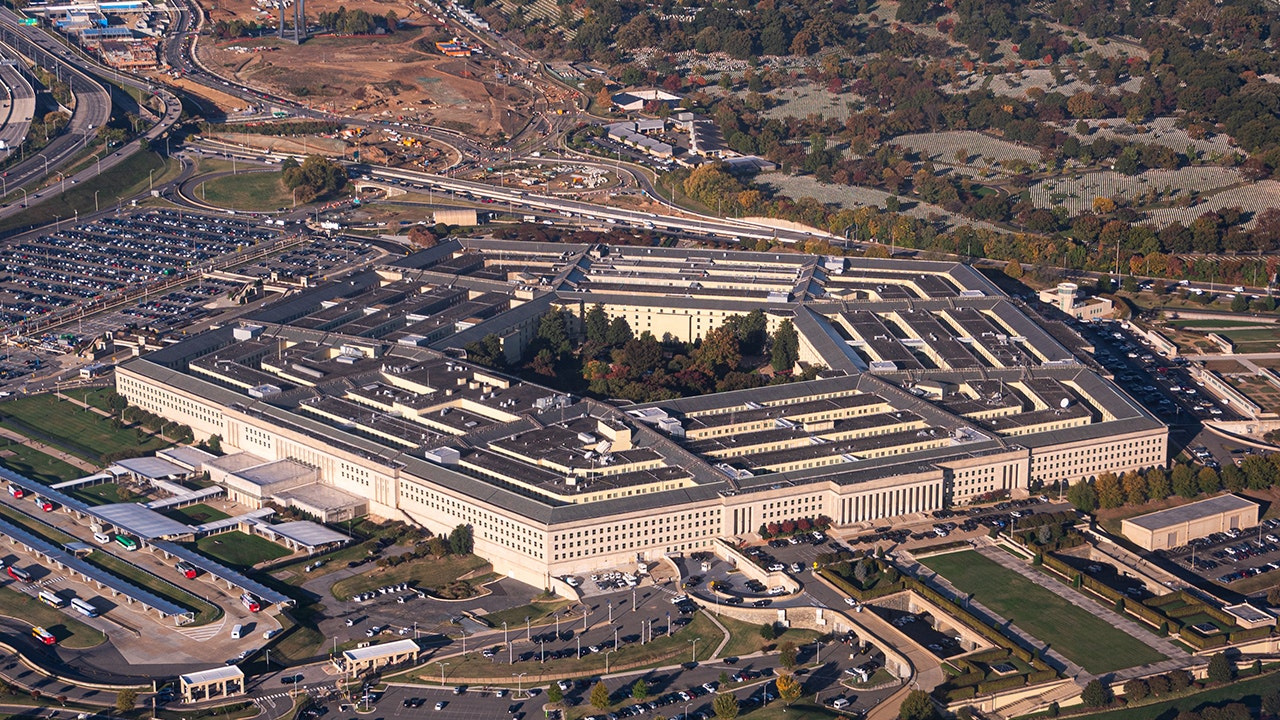
The Intercept and the Freedom of the Press Foundation sued the Pentagon in federal court, alleging that CENTCOM maintained a secret or undisclosed list of journalists to disregard and unlawfully withheld related records. The lawsuit follows a July exchange in which reporter Nick Turse says he was threatened with placement on such a list while seeking information about Iran’s attacks on U.S. bases. CENTCOM denies having a blacklist and calls Turse’s account a misrepresentation. The case seeks records through FOIA litigation.
Biblical Context
Government officials hold authority that Scripture presents as accountable to justice rather than personal retaliation or favoritism. Isaiah condemns rulers who issue unjust decrees and deprive vulnerable people of justice; if the allegations about selectively disregarding journalists and withholding information are established, that principle provides a meaningful comparison. Proverbs 17:15 likewise warns against declaring the guilty innocent or the innocent guilty, emphasizing the moral seriousness of distorted judgment. Romans 13:1-4 describes civil authority as responsible for public order and accountable to God as a servant for good, which bears on the Pentagon’s duty to exercise power lawfully and responsibly. These passages do not specifically establish a biblical doctrine of modern press access, nor do they determine whether the allegations are true. They provide principles for evaluating official conduct, truth-seeking, justice, and accountability. No specific biblical prophecy is identified in the reported dispute over FOIA records and alleged retaliation.
Watchmen Signals
Allegations that Pentagon officials threatened to disregard a reporter and withheld government records raise questions about truthful administration, impartial judgment, justice, and the accountability of civil authority. Scripture addresses those responsibilities directly, though it does not specifically prescribe the modern FOIA process or define press-access rules.
The lawsuit concerns alleged retaliation against journalists and delayed government records, but no specific biblical prophecy describes these particular events. General themes of secrecy, political conflict, or abuse of authority are not enough to establish prophetic fulfillment or a defensible prophetic comparison.
The lawsuit is a new legal action that could reveal how the Pentagon handles journalists and public records, making it worth monitoring. It does not describe an immediate emergency or rapidly escalating event requiring urgent notification.
Biblical Sources
Scripture references supporting the biblical context above.
Isaiah condemns leaders who issue unjust decrees and deprive people of justice. The passage offers a direct principle for evaluating allegations that government officials used authority to obstruct scrutiny or withhold information.
This proverb condemns both acquitting the guilty and condemning the innocent, highlighting the importance of truthful and impartial judgment when officials assess or respond to journalists and their inquiries.
Paul describes civil authority as accountable to God and intended to serve the good. That principle bears on whether public officials exercise governmental power lawfully and responsibly, while not resolving the factual allegations in this case.
Comments
No comments yet.
Sign in to join the conversation.
Sign InStay Informed. Grow in Biblical Understanding.
Explore important news from around the world through the context of God's Word. Create your FREE Watchmen account to discover more news analysis, Biblical Insights, and Scripture-based perspectives.
Create Your FREE AccountFree to join. No credit card required.