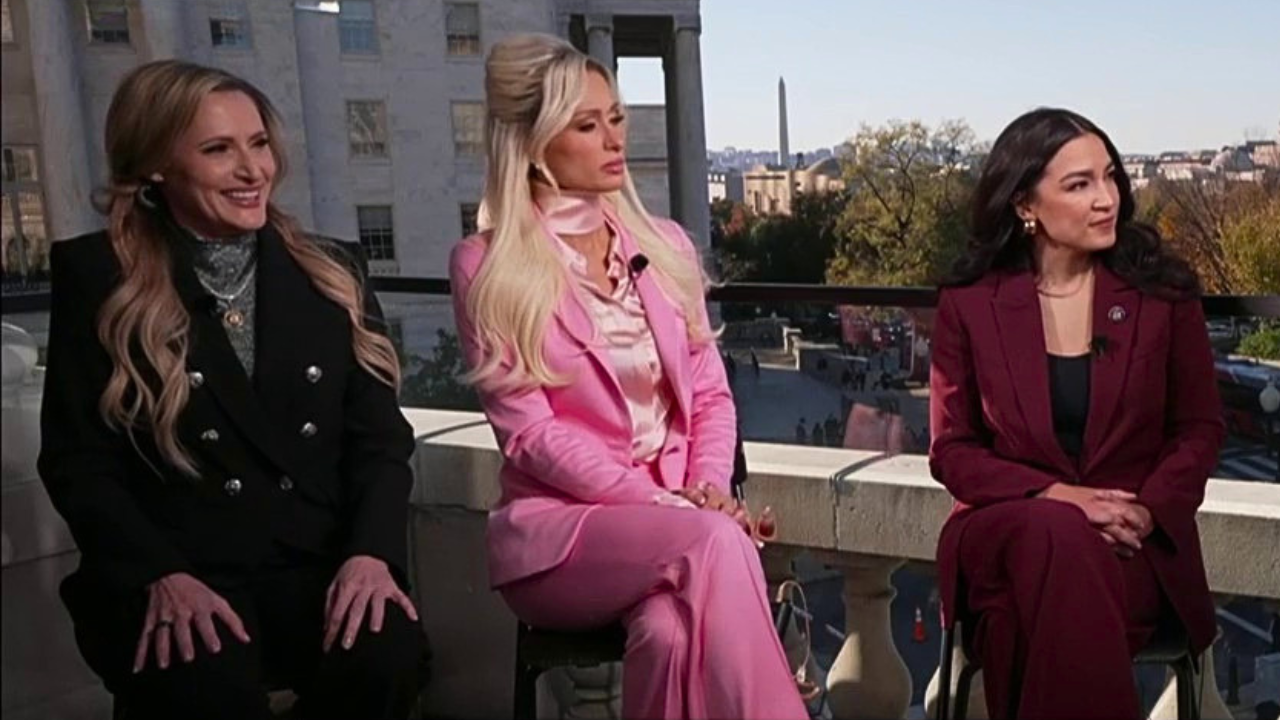
AOC, Paris Hilton, Florida Rep Lee 'hopeful' law against sexually explicit deepfakes can pass
The Watchmen's Summary
Paris Hilton joined Reps. Alexandria Ocasio-Cortez and Laurel Lee in urging the House to pass the bipartisan DEFIANCE Act, which would let victims sue creators or distributors of nonconsensual, AI-generated sexual deepfakes. Hilton and Ocasio-Cortez described personal experiences with sexual exploitation and argued that rapidly advancing tools have made abusive images easier to create. The Senate has passed the bill, but House action remains pending, with lawmakers facing a Jan. 3 deadline to avoid restarting the legislative process.
Biblical Context
Sexual exploitation, the misuse of another person’s dignity, and the need to protect people who lack power are directly addressed by biblical principles, even though Scripture does not discuss digitally fabricated images or modern civil litigation. First Thessalonians 4:3-5 calls believers to reject sexual immorality and treat others with holiness rather than lust; that principle bears directly on the abusive sexualization described in the reported cases. Proverbs 31:8-9 commands advocacy for those who cannot adequately speak for themselves and calls for just judgment, which relates to victims seeking a legal avenue against creators or distributors. Psalm 82:3-4 likewise calls authorities to defend the weak and vulnerable. Romans 13:1-4 describes civil authority as having a role in restraining wrongdoing, providing a relevant framework for lawmakers considering protections against abuse. These passages support concern for purity, victim protection, justice, and accountable government, but they do not establish a prophecy concerning artificial intelligence or this particular legislation.
Watchmen Signals
Victims describe sexual exploitation, humiliation, and the misuse of intimate or innocent images, while lawmakers seek accountability and protection for people at risk. Scripture directly addresses sexual purity, defense of the vulnerable, justice, and the authority’s responsibility to restrain wrongdoing, although it does not address AI-generated images or this specific bill.
No specific biblical prophecy identifies AI-generated sexual abuse, deepfake technology, or legislation addressing it. The reported development can be evaluated through biblical teachings on purity, justice, and protection of the vulnerable, but those principles are not evidence of prophetic fulfillment.
House approval remains pending, with a Jan. 3 deadline that could force lawmakers to restart the legislative process. The issue deserves continued attention, but it is not an immediate emergency requiring prompt notification.
Biblical Sources
Scripture references supporting the biblical context above.
Paul calls believers to sexual holiness and rejects treating others through uncontrolled lust, directly informing the article’s discussion of nonconsensual sexualized images.
The passage calls for speaking up for those who cannot adequately speak for themselves and for defending the rights of the vulnerable, paralleling advocacy for victims seeking legal protection.
The psalm urges those with authority to defend the weak and vulnerable and rescue them from oppression, a relevant principle for evaluating legal safeguards against digital sexual abuse.
Paul describes governing authority as having a legitimate role in restraining wrongdoing, providing context for lawmakers’ effort to establish civil remedies and accountability.
Comments
No comments yet.
Sign in to join the conversation.
Sign InStay Informed. Grow in Biblical Understanding.
Explore important news from around the world through the context of God's Word. Create your FREE Watchmen account to discover more news analysis, Biblical Insights, and Scripture-based perspectives.
Create Your FREE AccountFree to join. No credit card required.