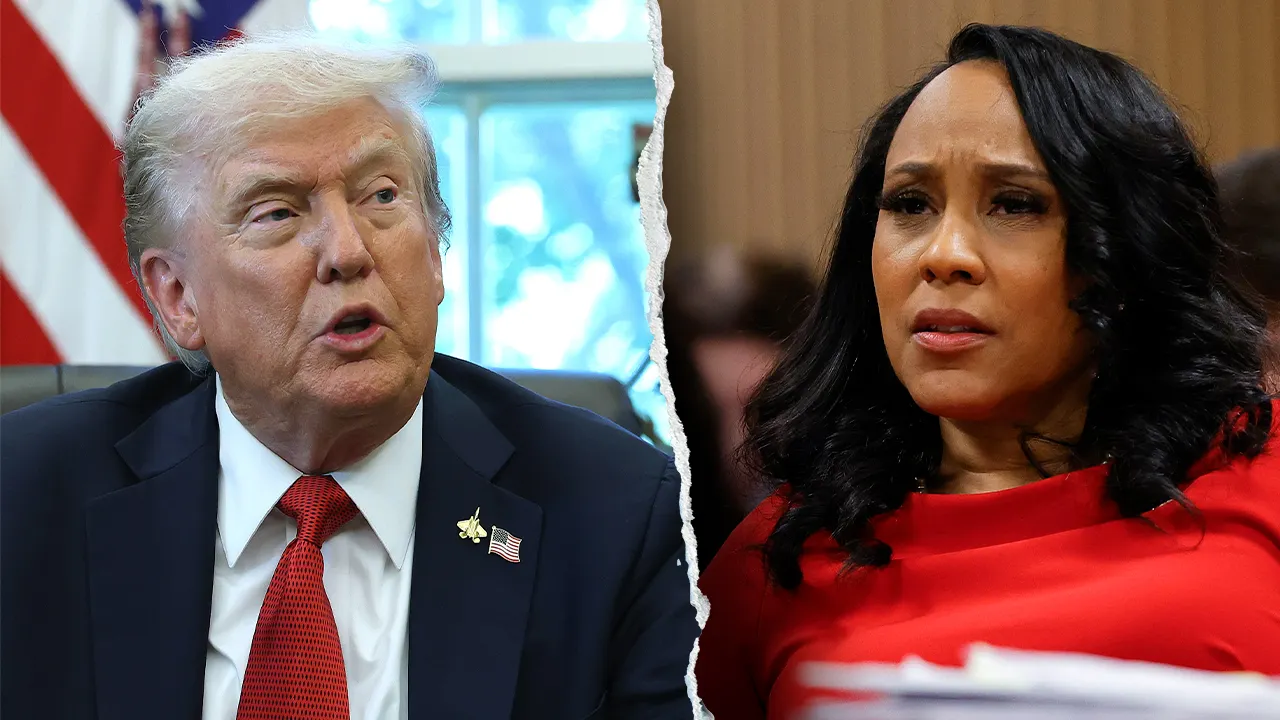
Judge fires back at Fani Willis' office in courtroom clash over Trump case: 'Due process doesn't apply to you'
The Watchmen's Summary
A Georgia appeals panel questioned whether Fulton County District Attorney Fani Willis’ office may challenge nearly $17 million in legal-fee requests from former defendants in the dismissed election-interference case involving President Donald Trump. Willis’ office was disqualified after an appeals court found that her relationship with special prosecutor Nathan Wade created an appearance of impropriety. The office argues it must protect county finances, while opposing attorneys say state-appointed prosecutor Pete Skandalakis can represent its interests. The court issued no ruling after Tuesday’s hearing.
Biblical Context
The dispute places judicial impartiality, public authority, and accountability at the center. Deuteronomy 16:18-20 instructs judges to administer justice fairly, avoid partiality, and reject corrupting influences. That principle is relevant to the court’s consideration of an appearance of impropriety, although the article does not establish that any judge acted corruptly or that the reimbursement claims are justified. Proverbs 17:23 condemns hidden or improper influence that perverts the course of justice. The reported relationship between the district attorney and a special prosecutor was treated by the appellate court as creating an appearance of impropriety; Scripture’s warning helps explain why public confidence and impartial procedures matter, without resolving the factual or legal questions in this case. Romans 13:1-4 describes civil authority as responsible for maintaining order and punishing wrongdoing. It does not endorse every government decision, but it supports the broader expectation that public officials and legal institutions exercise authority for lawful purposes. The passage offers a principle for evaluating governmental accountability, not a judgment on Willis, the defendants, or the appellate court. No specific biblical prophecy is identified in these procedural and financial developments.
Watchmen Signals
The appellate dispute turns on impartial prosecution, the appearance of impropriety, public funds, and the authority of government lawyers after a criminal case has ended. Deuteronomy 16:18-20 and Proverbs 17:23 speak directly to fair administration of justice, while Romans 13:1-4 provides broader guidance about the purpose and accountability of civil authority. These principles illuminate the dispute but do not determine its legal outcome.
The Georgia fee dispute and appellate hearing do not correspond to a specific biblical prophecy or distinctive prophetic pattern. Biblical references to justice and government provide ethical principles for assessing the events, not evidence that a prophecy is being fulfilled.
Tuesday’s hearing marks a new stage in the unresolved fee dispute, but the court issued no ruling and the matter does not require immediate reader notification.
Biblical Sources
Scripture references supporting the biblical context above.
Moses instructs judges and officials to administer true justice, avoid partiality, and reject corrupting influences, principles relevant to the appearance-of-impropriety issue and the court’s oversight.
The proverb warns against concealed improper influence that perverts justice, providing a relevant principle for considering public confidence and impartial legal administration.
Paul describes civil authorities as accountable for exercising public power to maintain order and punish wrongdoing, providing broader context for evaluating governmental responsibility without deciding this dispute.
Comments
No comments yet.
Sign in to join the conversation.
Sign InStay Informed. Grow in Biblical Understanding.
Explore important news from around the world through the context of God's Word. Create your FREE Watchmen account to discover more news analysis, Biblical Insights, and Scripture-based perspectives.
Create Your FREE AccountFree to join. No credit card required.