US envoy Waltz visits Lebanon amid discussions over new peacekeeping force, stalled Hezbollah disarmament
The Watchmen's Summary
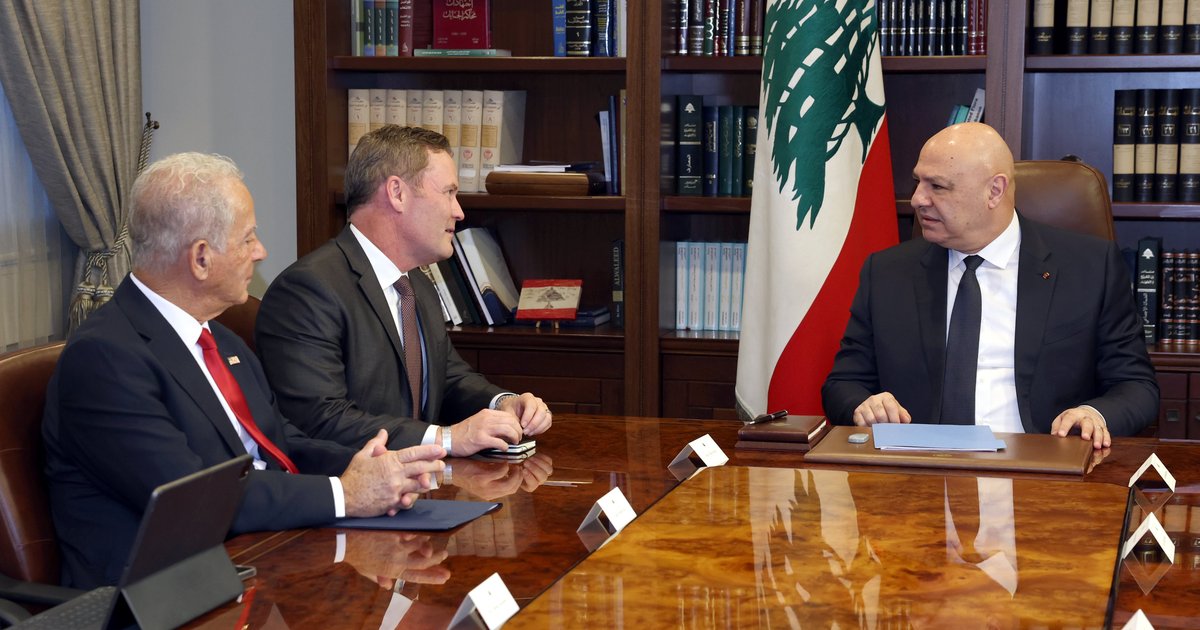
U.S. envoy Mike Waltz visited Beirut as Washington, France and Lebanon discussed replacing UNIFIL when its mandate expires at year’s end. Proposed arrangements range from a U.S.-backed force of about 100 personnel to a possible French-led deployment involving thousands of troops or 500 UN monitors. The talks follow stalled efforts to disarm Hezbollah, Israeli strikes on alleged Hezbollah activity, and competing accounts of whether Waltz reached new agreements with Lebanese officials. No replacement structure has been finalized.
Biblical Context
The dispute over southern Lebanon involves armed conflict, the authority of the Lebanese state, protection of civilians, and the search for a stable peace. Romans 13:1-4 describes civil government as having responsibility to restrain wrongdoing and uphold order; that principle offers a relevant framework for evaluating calls to restore Lebanese sovereignty through the Lebanese Armed Forces, though the passage does not prescribe a particular international peacekeeping model. The competing diplomatic plans also illustrate the importance of pursuing peace rather than treating a fragile “neither war nor peace” condition as a durable solution. First Timothy 2:1-2 urges prayer for rulers so that societies may experience peaceful and orderly conditions. Psalm 122:6 specifically calls for prayer for the peace of Jerusalem, which is relevant to the article’s focus on Israel’s security, but it should not be treated as a prediction that this particular force or diplomatic arrangement fulfills prophecy. These passages provide principles for thinking about governance, security, and peace. They do not identify UNIFIL, Hezbollah, the Lebanese Armed Forces, or the proposed U.S. and French arrangements as subjects of biblical prophecy. The article therefore supports a meaningful biblical connection without establishing prophetic fulfillment.
Watchmen Signals
The struggle over armed authority in southern Lebanon, the protection of Israel’s security, and efforts to prevent renewed conflict are issues Scripture addresses through its teaching on government, peace, and prayer for Jerusalem. Those principles illuminate the stakes without endorsing a specific peacekeeping design.
No specific prophetic passage identifies UNIFIL’s replacement, Hezbollah’s disarmament process, or the competing U.S. and French proposals. Regional conflict, international involvement, and Israel’s security concerns are broad biblical themes, but the supplied facts do not establish a defensible prophetic fulfillment.
U.S., French, Lebanese, and Israeli officials are actively discussing a new security arrangement before UNIFIL’s mandate expires, but no immediate military escalation or final replacement force has been announced.
Biblical Sources
Scripture references supporting the biblical context above.
The passage calls believers to pray for rulers and for peaceful, orderly conditions, which relates to the diplomatic efforts to prevent a security vacuum and further escalation.
The call to pray for Jerusalem’s peace is relevant to the article’s concern with Israel’s security and regional stability, but it does not predict the reported peacekeeping proposals.
Paul describes governing authorities as responsible for maintaining order and restraining wrongdoing, providing a relevant principle for the dispute over Lebanese sovereignty and the role of the Lebanese Armed Forces.
Comments
No comments yet.
Sign in to join the conversation.
Sign InStay Informed. Grow in Biblical Understanding.
Explore important news from around the world through the context of God's Word. Create your FREE Watchmen account to discover more news analysis, Biblical Insights, and Scripture-based perspectives.
Create Your FREE AccountFree to join. No credit card required.