Operation Economic Outcast Pushes Iran Toward Historic Economic Collapse, Bessent Warns
The Watchmen's Summary
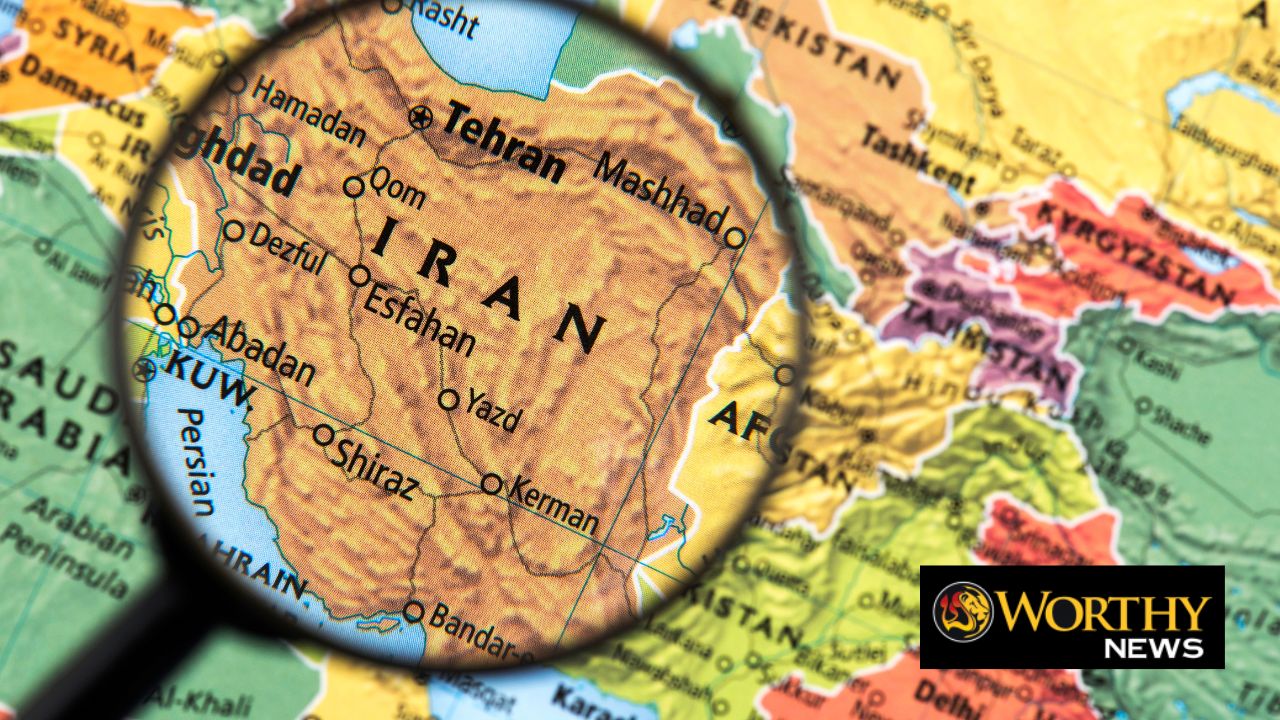
U.S. Treasury Secretary Scott Bessent says Operation Economic Outcast is intensifying sanctions and financial restrictions against Iran, targeting its oil exports, shipping networks, banks, and weapons procurement. The campaign also reportedly includes a naval blockade affecting Iranian maritime commerce and aims to pressure Tehran over its regional activities and the Strait of Hormuz. Bessent projects Iran’s economy could contract more than 25% from March 2026 to March 2027, while ordinary Iranians face inflation, currency depreciation, and growing economic uncertainty.
Biblical Context
Economic pressure on Iran raises distinct biblical questions about government authority, justice, warfare, and the effects of national policies on vulnerable civilians. Romans 13:1–4 recognizes the governing authority’s responsibility to restrain wrongdoing, but it does not automatically endorse every policy undertaken by a state. Isaiah 10:1–2 condemns rulers who issue unjust decrees and deprive vulnerable people of justice; that principle is relevant when sanctions, blockades, or financial restrictions impose hardship on ordinary families, although the passage does not directly adjudicate modern sanctions policy. Proverbs 31:8–9 calls for defending the rights of the poor and needy, highlighting the moral duty to consider civilians affected by geopolitical pressure. These passages illuminate the reported situation as ethical principles, not as evidence that a particular prophecy is being fulfilled. No specific prophetic passage is sufficiently matched by the reported sanctions campaign, projected economic contraction, or tensions over the Strait of Hormuz.
Watchmen Signals
Expanded sanctions, restrictions on Iranian commerce, and the resulting pressure on ordinary families raise questions about governmental power, justice, warfare, and protection of vulnerable people—subjects Scripture addresses through principles concerning rulers and the needy. Those principles illuminate the human consequences of the policy but do not determine whether the U.S. strategy will succeed.
Sanctions against Iran, a reported maritime blockade, and tension surrounding the Strait of Hormuz do not correspond to a specific biblical prophecy with enough distinctive detail to support a prophetic identification. Although some interpretations associate Iran with Persia, the article does not describe the particular coalition, invasion, or attack on Israel required for commonly proposed passages such as Ezekiel 38.
Sanctions and maritime pressure are described as intensifying, and their effects on Iran and the Strait of Hormuz are still unfolding. No immediate attack, confirmed political collapse, or other event requiring instant notification is described.
Biblical Sources
Scripture references supporting the biblical context above.
Isaiah condemns rulers who enact unjust decrees and deprive vulnerable people of justice, a relevant ethical principle when national policies contribute to civilian hardship.
The passage calls for speaking up for the vulnerable and defending the rights of the poor and needy, which bears on the reported effects of economic pressure on ordinary Iranians.
Paul describes civil government’s authority and responsibility to restrain wrongdoing, providing context for evaluating the stated aims and conduct of U.S. pressure against Iran.
Comments
No comments yet.
Sign in to join the conversation.
Sign InStay Informed. Grow in Biblical Understanding.
Explore important news from around the world through the context of God's Word. Create your FREE Watchmen account to discover more news analysis, Biblical Insights, and Scripture-based perspectives.
Create Your FREE AccountFree to join. No credit card required.