America's first Muslim senator exposes a political blind spot
The Watchmen's Summary
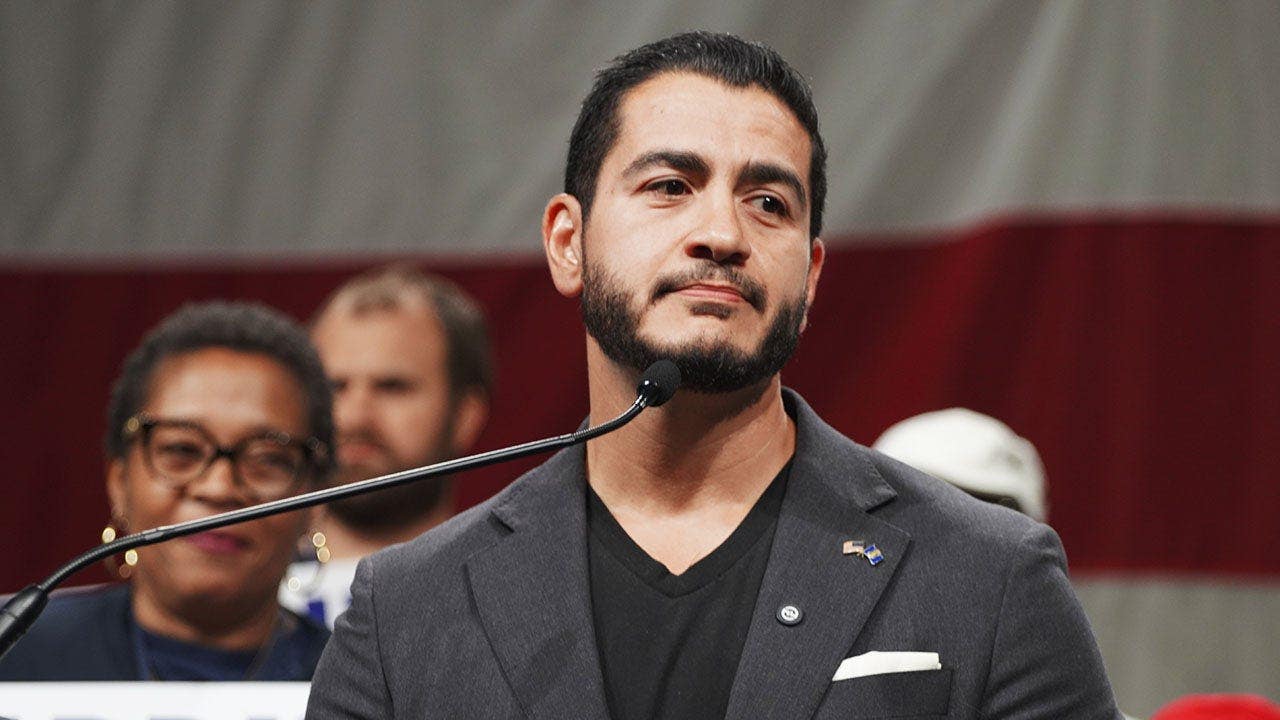
An opinion essay argues that U.S. political debate is failing to distinguish Islamism from Islam and anti-Muslim bigotry. It focuses on Muslim senator-elect Abdul El-Sayed, whose alleged family connections, past writings, political associations and responses to antisemitic or extremist rhetoric have drawn scrutiny. The writer condemns broad attacks on Muslims while calling for evidence-based examination of Islamist influence, antisemitism, Israel-related slogans and candidates’ commitments to religious liberty, democratic pluralism and constitutional government.
Biblical Context
Justice, impartiality and protection of vulnerable people are directly relevant to the article’s competing concerns: Islamist violence and persecution, antisemitism, anti-Muslim prejudice, and the responsibility of public officials to judge matters truthfully. Leviticus 19:15 prohibits partiality in judgment, which supports examining political conduct by evidence rather than treating Muslims as inherently suspect or dismissing concerns without examination. James 2:1-9 likewise condemns favoritism, cautioning against religious or social bias in public treatment of people. Romans 13:1-4 describes civil authority as responsible for restraining wrongdoing and pursuing justice. That principle supports the article’s concern that government and political leaders should protect citizens from terrorism and violence, while it does not by itself validate every allegation against El-Sayed or authorize collective suspicion of Muslims. Proverbs 18:13 and 18:17 also caution against reaching conclusions before hearing a matter and recognize that an initial account must be tested; these passages are especially pertinent because the column relies on disputed accusations, contested statements and political interpretation. Scripture’s concern for victims and persecuted communities is clear in Psalm 82:3-4, which calls for defending the weak and needy and rescuing them from oppression. That principle bears on the reported persecution of Christians, Yazidis, Jews and other victims of extremist violence. These passages establish meaningful biblical principles for justice, impartiality, truth and protection of the vulnerable, but they do not identify a contemporary politician as an Islamist or determine the geopolitical claims made in the column. No specific prophetic passage is responsibly connected to these reported political disputes, and the article does not establish prophetic fulfillment.
Watchmen Signals
Religious persecution, antisemitism, discrimination, political violence and the obligation of authorities to pursue justice are subjects Scripture addresses through its teaching on impartial judgment, protection of the vulnerable and accountable government. Scripture supports those principles without confirming the column’s allegations about Abdul El-Sayed or endorsing a blanket judgment about Muslims.
The political debate, allegations of Islamist influence, antisemitism, Hamas and references to Israel do not establish a specific prophetic correspondence. Scripture contains prophecies involving Israel and future conflict, but the supplied facts do not present the distinctive circumstances needed to connect this election dispute responsibly to one of them.
The piece analyzes election-related disputes, past statements, and political associations rather than reporting a rapidly unfolding emergency or immediate escalation.
Biblical Sources
Scripture references supporting the biblical context above.
James condemns favoritism, providing a relevant biblical warning against anti-Muslim prejudice and other unequal treatment in public life.
The command to judge fairly without partiality supports evaluating Muslim candidates and alleged Islamist ties by evidence rather than religious identity or political favoritism.
These proverbs caution against answering before hearing a matter and emphasize testing competing accounts, which is relevant to the column’s disputed allegations and interpretations.
The call to defend the weak and rescue the oppressed relates to the reported persecution of Jews, Christians, Yazidis and other victims of extremist violence.
Paul presents governing authority as responsible for restraining wrongdoing and pursuing justice, relating to the article’s concerns about terrorism, political extremism and protection of citizens.
Comments
No comments yet.
Sign in to join the conversation.
Sign InStay Informed. Grow in Biblical Understanding.
Explore important news from around the world through the context of God's Word. Create your FREE Watchmen account to discover more news analysis, Biblical Insights, and Scripture-based perspectives.
Create Your FREE AccountFree to join. No credit card required.