North Korean hackers steal faces for crypto fraud and cyberattacks
The Watchmen's Summary
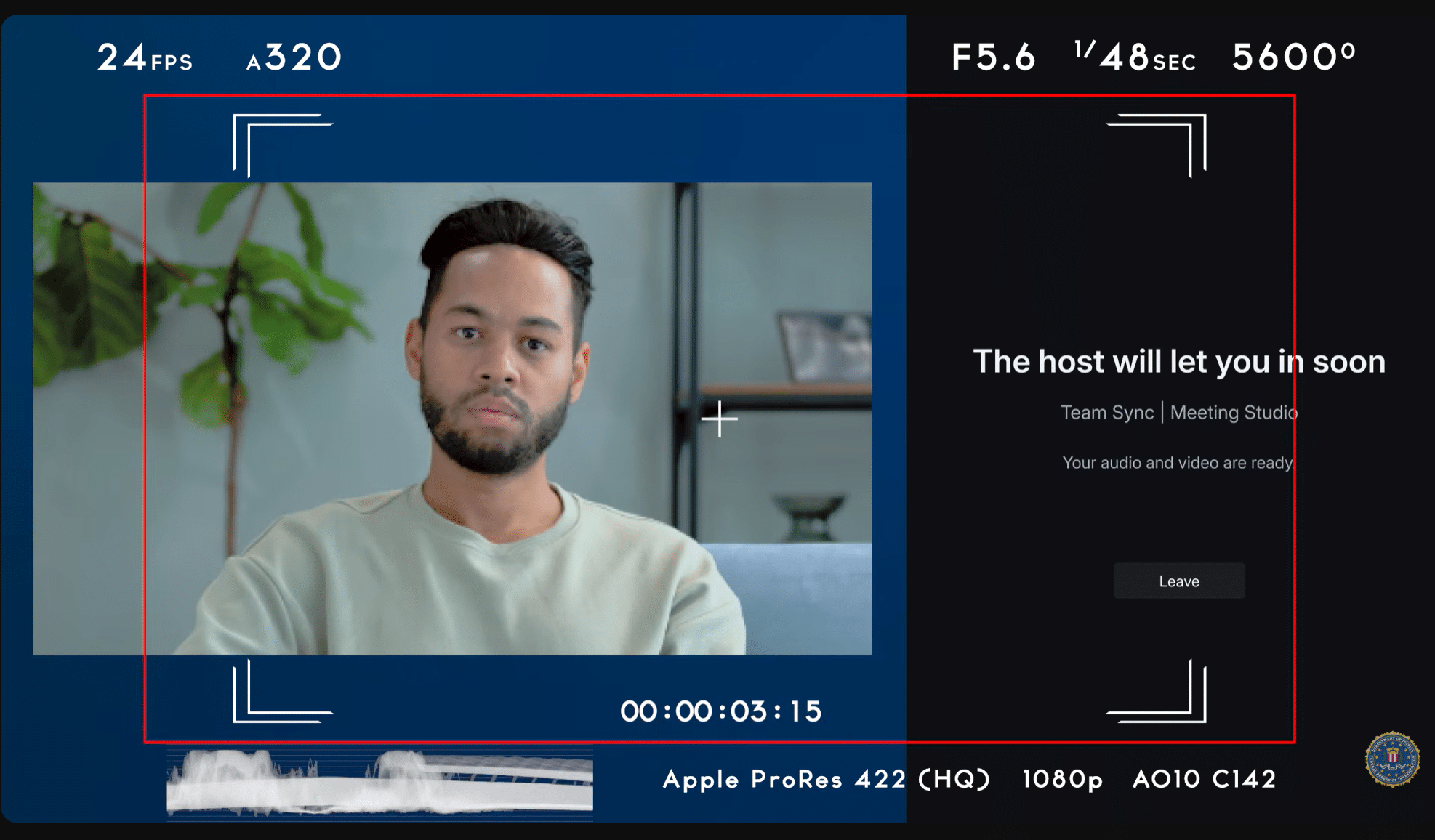
The FBI and Justice Department say North Korean hackers used stolen webcam recordings, hijacked accounts, and AI-generated videos to impersonate trusted colleagues and steal cryptocurrency. The FaceStealer operation reportedly took more than $400 million over 18 months and collected over 900 recordings. Researchers identified targets in 58 countries and linked similar tactics to attacks on open-source software maintainers, including a compromise that distributed malicious packages. Authorities seized supporting cloud infrastructure, but the operation’s full scope and long-term disruption remain unclear.
Biblical Context
Stealing cryptocurrency, taking control of another person’s identity, and using deception to exploit professional trust correspond to moral commands Scripture addresses plainly. Exodus 20:15–16 prohibits theft and false testimony; the attackers’ counterfeit meetings and impersonation violate both principles, although the biblical commands do not specifically describe video conferencing or deepfakes. Proverbs 12:22 commends truthful speech and condemns lying, which illuminates the deliberate fabrication of identities, technical problems, and business relationships. Ephesians 4:25 instructs believers to put away falsehood and speak truthfully to one another; that principle is especially relevant to a scheme that turns ordinary communication and personal trust into instruments of fraud. These passages provide a meaningful moral framework for judging the conduct reported, but they do not identify the FaceStealer operation as a prophetic event. Scripture also does not establish that North Korean state involvement or AI technology fulfills a particular end-times prophecy.
Watchmen Signals
North Korean hackers reportedly stole faces, hijacked accounts, impersonated trusted colleagues, and used deception to obtain cryptocurrency and system access. Theft, false representation, and dishonest speech are directly addressed by Scripture, while the deepfake technology and software-supply-chain methods are modern applications rather than subjects specifically described in the biblical texts.
The reported cyberoperation does not correspond to a specific biblical prophecy or distinctive prophetic pattern. Scripture warns about deception and lawlessness in general, but those broad themes do not establish that this North Korean campaign or its use of deepfakes fulfills prophecy.
Authorities have just seized infrastructure and disclosed the scale and methods of the operation, while investigators have not determined whether the disruption permanently ended it. The threat is important to monitor, but the available information does not describe a major attack currently requiring immediate emergency notification.
Biblical Sources
Scripture references supporting the biblical context above.
Paul’s instruction to reject falsehood and speak truthfully to one another provides a New Testament ethical contrast to deception carried out through trusted professional relationships.
These commandments prohibit stealing and bearing false witness, directly illuminating the theft, impersonation, and fraudulent communications described.
The proverb contrasts truthful speech, which the Lord favors, with lying, reflecting the attackers’ deliberate use of fabricated identities and false claims.
Comments
No comments yet.
Sign in to join the conversation.
Sign InStay Informed. Grow in Biblical Understanding.
Explore important news from around the world through the context of God's Word. Create your FREE Watchmen account to discover more news analysis, Biblical Insights, and Scripture-based perspectives.
Create Your FREE AccountFree to join. No credit card required.