White House lawyer's hardball warning to Dems has legal experts on both sides questioning one key threat
The Watchmen's Summary
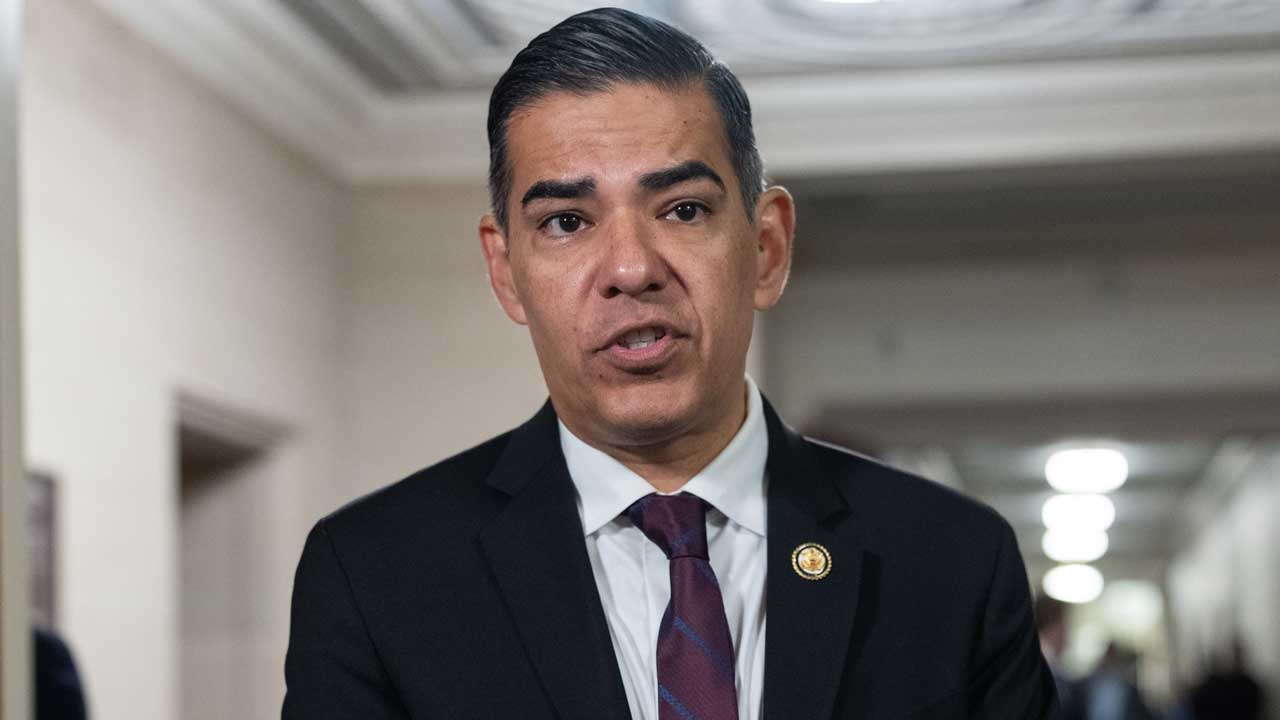
White House counsel William Scharf warned incoming House Oversight Committee ranking member Robert Garcia that abusive subpoenas or investigations could violate constitutional limits and potentially constitute criminal misconduct. Garcia rejected the warning, asserting Congress’s independent oversight authority and accusing the administration of intimidation. Legal experts across the political spectrum agreed that Congress’s investigative power is broad but limited by legitimate legislative purposes and witnesses’ rights. They sharply questioned whether criminal charges could legally arise from the threatened oversight activities, while expecting litigation over subpoenas.
Biblical Context
The confrontation places governmental authority, lawful process, intimidation, and accountability at the center of the dispute. Romans 13:1–4 teaches that governing authority has a legitimate role in restraining wrongdoing, but it describes that authority as accountable to a moral purpose rather than as unlimited power. That principle can illuminate the competing claims of executive responsibility and congressional oversight, although it does not prescribe the modern separation of powers or resolve which branch has the stronger constitutional argument.\n\nMicah 6:8 calls for justice, faithful conduct, and humility before God. Applied cautiously, it underscores that investigations should pursue genuine wrongdoing rather than political retaliation, while executive officials should answer serious oversight through lawful processes rather than intimidation. Proverbs 17:15 condemns both acquitting the guilty and condemning the innocent, reinforcing the need for evidence-based judgment. These passages offer ethical standards for the conduct alleged by the competing sides, but the article provides insufficient evidence to determine whether either side has crossed those moral or legal boundaries.
Watchmen Signals
The White House warning and Congress’s planned investigations directly raise questions about the proper use of authority, justice, intimidation, and accountability—subjects Scripture addresses in its teaching about rulers and truthful judgment. Scripture does not settle the constitutional division between Congress and the executive branch, so its contribution is ethical and principled rather than a legal ruling on the dispute.
The White House and congressional dispute does not correspond to a specific biblical prophecy or distinctive prophetic pattern. Scripture’s warnings about unjust authority and false judgment provide moral principles, but they do not make this constitutional confrontation evidence of prophetic fulfillment.
The dispute is active and may lead to lawsuits or further clashes between the executive and legislative branches, but no immediate emergency, criminal charge, or sudden government crisis is underway.
Biblical Sources
Scripture references supporting the biblical context above.
The call to do justice, love mercy, and walk humbly before God bears on whether investigations and official responses are pursued for justice rather than retaliation, intimidation, or institutional self-interest.
The proverb condemns both acquitting the guilty and condemning the innocent, supporting careful, evidence-based judgment when officials accuse one another of abuse or misconduct.
Paul describes governing authority as permitted by God and responsible for restraining wrongdoing, providing a principled lens for evaluating executive power and public accountability without deciding the modern branch-specific dispute.
Comments
No comments yet.
Sign in to join the conversation.
Sign InStay Informed. Grow in Biblical Understanding.
Explore important news from around the world through the context of God's Word. Create your FREE Watchmen account to discover more news analysis, Biblical Insights, and Scripture-based perspectives.
Create Your FREE AccountFree to join. No credit card required.