Democrats seize on midterm wins to push massive minimum wage hikes, but economists see trouble ahead
The Watchmen's Summary
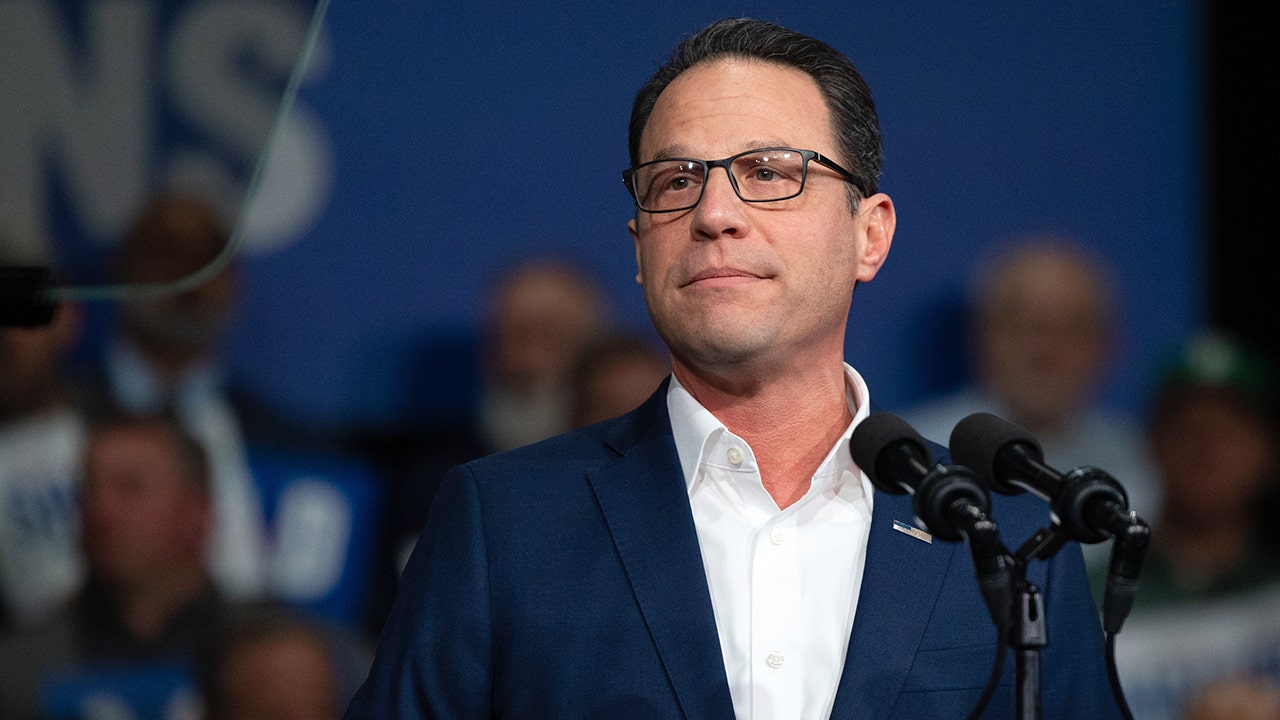
Democratic leaders are advancing substantial minimum-wage increases after electoral victories. Pennsylvania Gov. Josh Shapiro supports raising the state rate from $7.25 to $15 an hour, while Illinois Gov. JB Pritzker and House Minority Leader Hakeem Jeffries are calling for a federal increase. Supporters say higher wages are necessary for affordability, but economists and small-business advocates warn of higher prices, reduced hours, slower hiring, and fewer opportunities for inexperienced workers. Studies of Seattle’s wage increases offer conflicting findings about employment effects.
Biblical Context
Workers are entitled to honest and timely compensation, while employers and governing authorities face responsibilities that should not be separated from justice and stewardship. Leviticus 19:13 forbids withholding a laborer’s wages, and Deuteronomy 24:14-15 specifically warns against exploiting poor or vulnerable workers and requires prompt payment. James 5:4 condemns wealthy employers who withhold wages from laborers, while Luke 10:7 affirms the general principle that a worker deserves compensation. These passages support concern for workers who cannot meet basic needs and caution against policies or business practices that shift disproportionate burdens onto vulnerable people. They do not prescribe a modern statutory minimum wage, nor do they settle the economic dispute over whether a mandated increase produces greater overall benefit. The article’s concerns about entry-level employment also should not be confused with Scripture’s teaching in 2 Thessalonians 3:10-12, which addresses people unwilling to work rather than workers who are unable to find employment or whose wages are inadequate. Romans 13:1-4 describes governing authority as having a legitimate public function, including maintaining order and pursuing what is good. That principle can inform discussion of government wage policy, but it does not specify the proper wage level or exempt lawmakers from considering unintended effects on workers, employers, and communities. Scripture therefore supplies principles of fair compensation, protection from exploitation, responsible authority, and care for the vulnerable without endorsing one particular economic mechanism.
Watchmen Signals
Workers’ pay, the protection of vulnerable laborers, and the responsibilities of governing authorities are central to the minimum-wage proposals from Pennsylvania, Illinois, and congressional Democrats. Scripture condemns withholding earned wages and exploitation, but it does not mandate a modern minimum-wage law or determine whether a particular increase will help or harm workers and businesses.
Minimum-wage proposals and disputes over their economic effects do not correspond to a specific biblical prophecy or distinctive prophetic pattern. Biblical passages about wages and justice provide ethical principles, not a prediction that this policy debate represents prophetic fulfillment.
New political momentum is building around state and federal minimum-wage increases after the election, but the proposals remain part of an ongoing legislative debate rather than an immediate emergency requiring prompt notification.
Biblical Sources
Scripture references supporting the biblical context above.
Paul addresses persistent unwillingness to work; this provides an important distinction from workers who want employment but face reduced hiring or inadequate wages.
These verses prohibit exploiting poor workers and require prompt payment, providing a direct biblical concern for vulnerable laborers and earned wages.
James condemns employers who withhold workers’ wages, reinforcing Scripture’s opposition to labor exploitation.
The command not to withhold a laborer’s wages supports the article’s focus on fair compensation and the treatment of workers.
Jesus states that the laborer deserves his wages, supporting the principle that work should receive appropriate compensation.
Paul describes government authority and its responsibility to pursue public good, offering context for evaluating proposed wage regulation without prescribing a specific policy.
Comments
No comments yet.
Sign in to join the conversation.
Sign InStay Informed. Grow in Biblical Understanding.
Explore important news from around the world through the context of God's Word. Create your FREE Watchmen account to discover more news analysis, Biblical Insights, and Scripture-based perspectives.
Create Your FREE AccountFree to join. No credit card required.