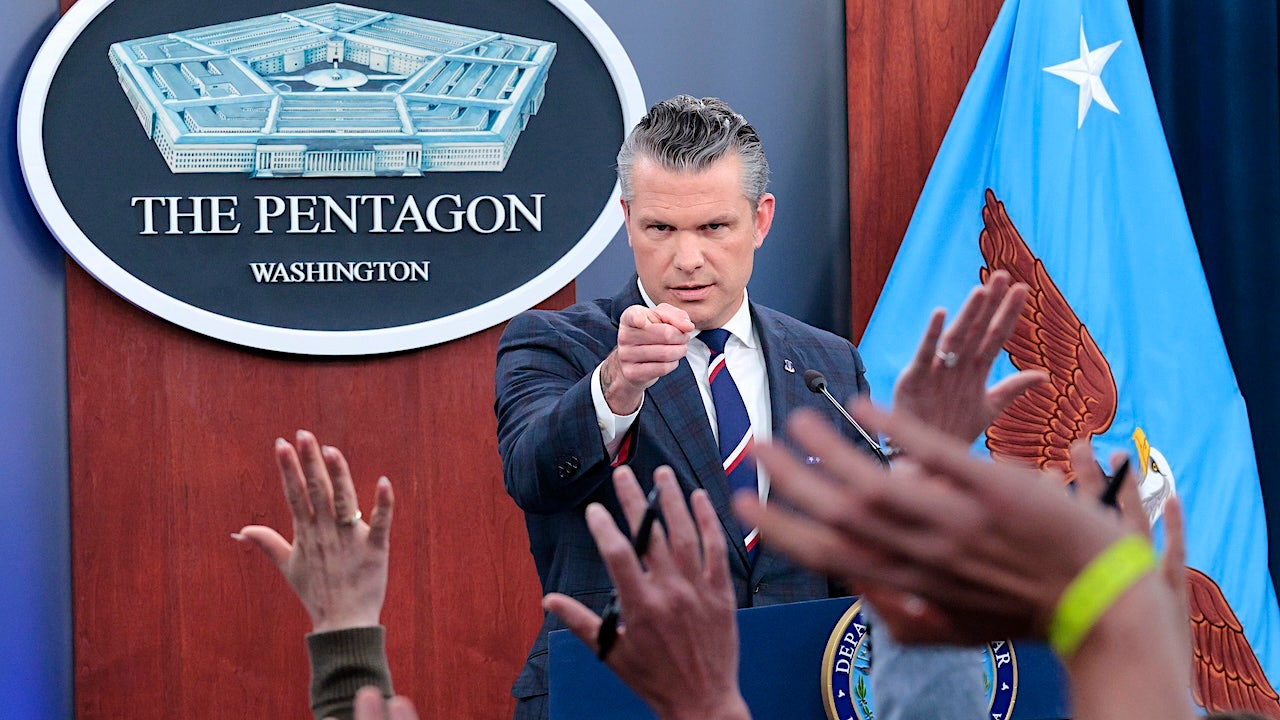
Massie's push to impeach Hegseth splits constituents in his own backyard: 'Pure spite'
The Watchmen's Summary
Residents in northern Kentucky offered sharply divided views of Rep. Thomas Massie’s effort to impeach Defense Secretary Pete Hegseth over the Iran war. Supporters praised Massie for challenging military action they believe lacked clear congressional authorization and strategic purpose, while critics called the effort spiteful and defended Hegseth’s performance. House Republicans referred the impeachment resolution to committee, but Democrats are expected to revisit it after taking control of Congress in January. Other senior Trump officials could also face investigations or impeachment efforts.
Biblical Context
The dispute over military action and the authority of civil leaders connects with biblical teaching about government responsibility and accountability, although Scripture does not settle the modern constitutional question of whether this particular impeachment effort is justified. Romans 13:1-4 describes governing authorities as accountable to God and charged with restraining wrongdoing; that principle can illuminate both the executive’s responsibility in using force and Congress’s responsibility to oversee public power. Isaiah 10:1-2 condemns rulers who issue unjust decrees and deprive people of justice, offering a broader biblical warning that political authority must not be exercised arbitrarily. Luke 14:31-32 presents a king’s need to assess the realities and costs of war before acting. Its immediate context is discipleship, not a military policy manual, but it provides a limited interpretive parallel to residents’ concerns about planning, objectives, and consequences. These passages support attention to justice, prudence, and governmental accountability, but they do not identify the Iran conflict as prophetic fulfillment or prove the allegations against Hegseth.
Watchmen Signals
The proposed impeachment of Pete Hegseth arises from questions about military force, presidential direction, congressional authority, and whether leaders have acted lawfully and prudently. Scripture addresses the moral responsibilities of rulers, the administration of justice, and the serious consequences of war, while leaving the specific constitutional allegations to evidence and civil law.
The supplied facts describe a dispute over the Iran war, impeachment, and congressional oversight, but they do not correspond to a distinctive prophetic passage or identifiable end-times sequence. War and political conflict are recurring biblical subjects, not by themselves evidence that a particular prophecy is being fulfilled.
The military conflict and congressional confrontation are evolving issues worth monitoring, but the account does not describe a newly unfolding attack, emergency action, or other immediate event requiring instant notification.
Biblical Sources
Scripture references supporting the biblical context above.
Isaiah condemns rulers who create unjust decrees and deny justice, supporting the broader principle that political authority is subject to moral accountability.
Jesus refers to a king assessing his ability to wage war before proceeding; in context this illustrates the cost of discipleship, while offering a limited parallel to questions about military planning and objectives.
Paul presents governing authority as accountable to God and responsible for restraining wrongdoing, which bears on executive use of force and congressional oversight of public power.
Comments
No comments yet.
Sign in to join the conversation.
Sign InStay Informed. Grow in Biblical Understanding.
Explore important news from around the world through the context of God's Word. Create your FREE Watchmen account to discover more news analysis, Biblical Insights, and Scripture-based perspectives.
Create Your FREE AccountFree to join. No credit card required.